If you have eczema, you already know that “just moisturize more” isn’t advice: it’s a starting point at best and a frustration at worst. The wrong lotion does nothing. The wrong ingredients can trigger a flare before you even cap the tube. And with dozens of options lining pharmacy shelves, knowing which ones actually deliver relief is the kind of problem that tends to follow you for years.
We’ve been there. Members of our team have dealt with eczema-prone and reactive skin for most of our adult lives, which means we’ve tested a lot of products, learned a lot of hard lessons, and built up a working knowledge of what actually soothes inflamed, itchy skin versus what just markets itself that way. For this article, we’ll walk you through the 15 best lotions for eczema in 2026 based on real testing, ingredient research, and guidance from dermatologists, breaking down who each product suits, what makes it work, and how it fits into a daily eczema management routine.
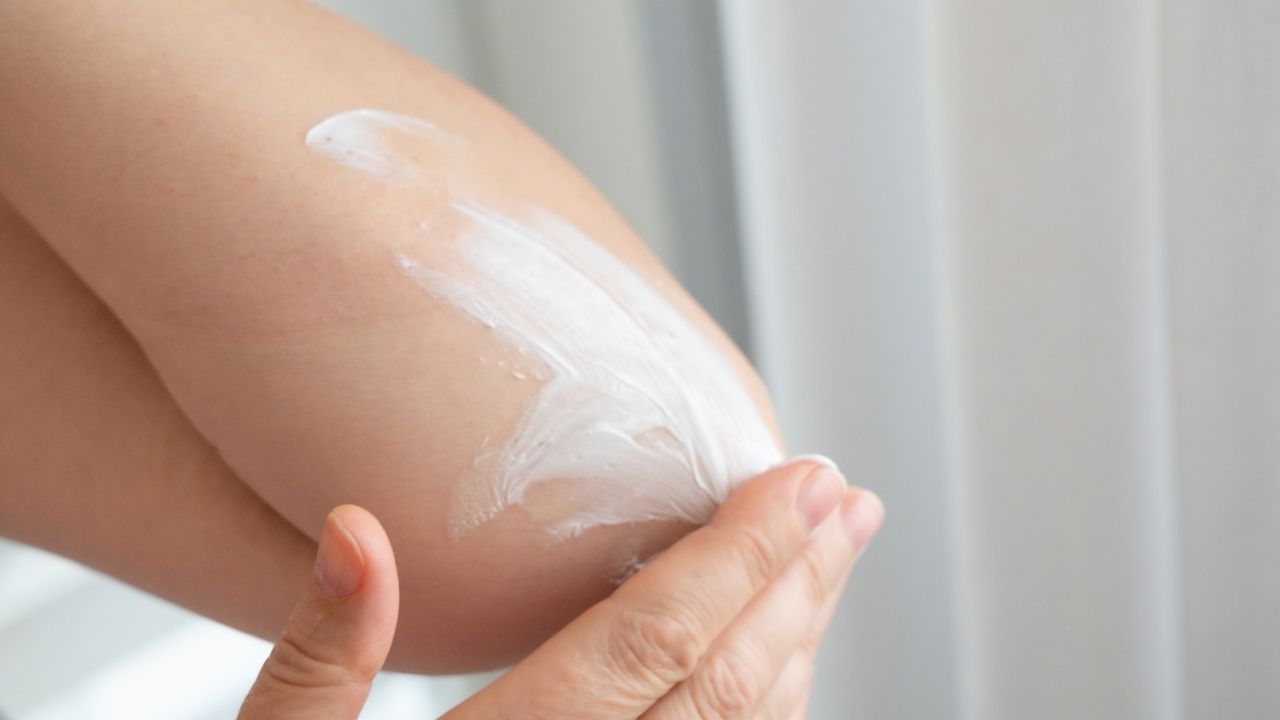
What We Looked for When Testing Eczema Lotions
Before getting into the list, here’s how we evaluated each product:
Ingredients: We prioritized formulas built around proven eczema-soothing actives: colloidal oatmeal, ceramides, hyaluronic acid, and niacinamide. We flagged anything with synthetic fragrance, essential oils, ethanol, or harsh preservatives, all common triggers for flare-ups.
Texture and absorption: Whether you prefer a lotion, cream, balm, or gel, texture matters for daily compliance. If a product feels unpleasant on your skin, you won’t stick with it, and consistency is what moves the needle with eczema management. Thick ointments offer more occlusion. Lightweight lotions are easier to layer and less greasy in summer. We noted each product’s consistency and how it felt on irritated skin.
Routine fit: Some products are best used once a day as part of a morning or evening skincare routine. Others are targeted treatments you apply only during active flares. A few work well in both roles. We noted where each one fits so you can build a routine around it rather than buying products that overlap.
Suitability: Some formulas are built for the face; others work best on the body. A few are safe for babies and children. We noted all of this so you can match each product to your specific situation.
Price: Effective eczema care doesn’t have to be expensive, and most of what works best is available at the drugstore. We’ve included a range from budget to premium.
The 15 Best Eczema Lotions and Treatments in 2026
1. Phoilex Active ReLeaf Spot Gel: Best Overall for Flare-Up Relief
If you’re managing active eczema flares, this is the one we’d point you to first. The phoilex.com Active ReLeaf Spot Gel is a steroid-free, clinically tested botanical gel designed specifically for eczema, atopic dermatitis, and psoriasis-prone skin, and it deserves a permanent spot in any eczema management routine.
The formula is built around the brand’s proprietary Phyto-Active Blend, a combination of targeted botanicals including arnica, birch bark, nettle leaf, and chaga mushroom, alongside a triple-ceramide complex, colloidal oatmeal, vitamin D (in three forms), and omega-rich emu oil. Together these ingredients work to calm redness, reduce itching, and support the skin barrier without the rebound risk that comes with long-term steroid use.
In a published clinical study in Dermatological Review, 93% of users reported itch relief lasting 4 to 12 hours, and 74% experienced a significant reduction in flare frequency after eight weeks of consistent use. It was also recognized by Shape Magazine as the 2025 Skin Award winner for Best Products for Flare-Ups, evaluated by a panel that included dermatologists and skincare formulators.
The gel absorbs cleanly without leaving a greasy residue. On active flares, we felt calming within a few minutes of application. It works best as a targeted step in your routine rather than a whole-body daily moisturizer, applied directly to problem patches after cleansing and before a barrier-supporting cream on the surrounding skin. At $42 for 60ml, it’s a premium pick, but for anyone managing frequent or severe flares, it fills a gap that most drugstore options don’t.
Key ingredients: Colloidal oatmeal, ceramide complex, vitamin D, Phyto-Active Blend
Fragrance-free: Yes
Steroid-free: Yes
Suitable for: Face and body; adults and children including babies; all skin types
Best used: As a targeted treatment step during flares, morning or evening
2. Vanicream Moisturizing Cream: Best Everyday Body Moisturizer
Vanicream has a near-cult following in the sensitive skin community, and for good reason. This thick, fragrance-free cream is free of dyes, parabens, and formaldehyde releasers, making it one of the safest options for a daily skincare routine when your skin is prone to eczema. The key ingredients are petrolatum and sorbitol, which work as an occlusive and humectant pair to lock in moisture and plump the skin. We’ve used this as a go-to post-shower body moisturizer and found it consistently reduces dryness and soothes itchy patches without any irritation.
Key ingredients: Petrolatum, sorbitol, water
Fragrance-free: Yes
NEA Seal of Acceptance: Yes
Best used: Daily, as the moisturizing step in a morning or evening body routine
3. CeraVe Daily Moisturizing Lotion: Best Lightweight Daily Lotion
CeraVe’s ceramide-and-hyaluronic-acid formula is a dermatologist staple for good reason. The texture is lightweight enough for daily use on both face and body, absorbs without heaviness, and works well in warmer months or for those who need to layer products throughout the day. If you want something to slot into your morning skincare routine under SPF or makeup without feeling greasy, this is it.
Key ingredients: Ceramides, hyaluronic acid, glycerin
Fragrance-free: Yes
NEA Seal of Acceptance: Yes
Best used: Morning skincare routine, as a daily base moisturizer
4. Aveeno Eczema Therapy Nighttime Itch Relief Balm: Best for Overnight Use
This is the balm we reach for when itching is worst at night. Colloidal oatmeal is the hero ingredient, with ceramides supporting barrier repair throughout the night. The thick formula creates a protective layer on skin while you sleep, making it the ideal final step in an evening skincare routine for eczema-prone skin. A tip from our team: keep the tub in the fridge before bed. The cooling sensation adds meaningful relief on particularly inflamed skin.
Key ingredients: Colloidal oatmeal, ceramides, glycerin
Fragrance-free: Yes
NEA Seal of Acceptance: Yes
Best used: As the last step in a nighttime routine, applied to dry or irritated areas before sleep
5. Eucerin Eczema Relief Flare-Up Treatment: Best Drugstore Flare Treatment
The Eucerin formula combines colloidal oatmeal, ceramides, and licorice root extract to calm inflammation quickly. It’s one of the more affordable targeted treatments on this list, and it integrates easily into an existing eczema management routine as a spot step during active periods. The rich consistency is best suited to the body rather than the face. Safe for children and babies aged three months and older.
Key ingredients: Colloidal oatmeal, ceramides, licorice root extract
Fragrance-free: Yes
Best used: Applied to active patches as a targeted step during flare-ups
6. La Roche-Posay Cicaplast Balm B5: Best Multi-Purpose Balm
Panthenol, glycerin, shea butter, and madecassoside work together in this balm to soothe irritated and chafed skin, reduce redness, and support healing. It has a matte finish, which makes it more comfortable than most balms for daytime use, slotting well into a morning skincare routine without the shiny residue of heavier alternatives. It can also serve as a spot treatment on specific patches. Safe for newborns.
Key ingredients: Vitamin B5, shea butter, madecassoside, La Roche-Posay thermal spring water
Fragrance-free: Yes
NEA Seal of Acceptance: Yes
Best used: Morning or evening routine, on face and body; doubles as a spot treatment

7. First Aid Beauty Ultra Repair Cream: Best for Barrier Repair
FAB’s Ultra Repair Cream combines colloidal oatmeal, shea butter, allantoin, and glycerin to address dryness, irritation, and redness simultaneously. It’s a thicker formula that creates a real barrier between your skin and environmental triggers, which makes it especially useful during winter or high-allergen periods as a core step in your daily eczema management routine. We like it for both face and body, though at $42 it’s a splurge by drugstore standards.
Key ingredients: Colloidal oatmeal, shea butter, allantoin, glycerin
NEA Seal of Acceptance: Yes
Best used: Daily moisturizing step, particularly in cold or dry weather
8. Cetaphil Restoraderm Soothing Moisturizer: Best Non-Greasy Formula
This formula pulls together colloidal oatmeal, hyaluronic acid, ceramides, and glycerin in a lighter, non-greasy texture that absorbs quickly. It’s particularly good for those who find heavier balms or creams uncomfortable as an everyday skincare routine step, and works well in warmer months when you still need barrier support without the weight. Hypoallergenic, paraben-free, and steroid-free.
Key ingredients: Colloidal oatmeal, hyaluronic acid, ceramides, glycerin
Fragrance-free: Yes
NEA Seal of Acceptance: Yes
Best used: Daily moisturizer in a summer or warm-weather eczema routine
9. La Roche-Posay Lipikar AP+M Triple Repair Moisturizer: Best for Rough, Textured Skin
This is a heavier-hitting formula for skin that’s thickened, roughened, or particularly dry from chronic eczema. The thermal water base has anti-inflammatory properties, and niacinamide, shea butter, and ceramides work to smooth texture and strengthen the barrier over time as part of a consistent nightly routine. Suitable from two weeks old.
Key ingredients: Thermal spring water, ceramides, shea butter, niacinamide, glycerin
Fragrance-free: Yes
NEA Seal of Acceptance: Yes
Best used: Evening routine, on body areas with chronic dryness or thickened skin
10. Bioderma Atoderm Intensive Balm: Best Fast-Absorbing Balm
Unlike most balms that come in tubs, Bioderma’s formula uses a pump for mess-free, hygienic application, which makes it especially easy to work into a daily routine. It’s fast-absorbing and non-greasy, with ceramides and vitamin C to soothe itchy skin and support the skin barrier. Good for all ages and daily use on face and body.
Key ingredients: Glycerin, ceramides
Fragrance-free: Yes
NEA Seal of Acceptance: Yes
Best used: Morning or evening routine; the pump format makes it especially practical for daily use
11. Aveeno Eczema Therapy Daily Moisturizing Cream: Best Value Cream
Colloidal oatmeal and ceramides combine in this affordable everyday cream. The formula plumps and hydrates dry skin, reduces redness and irritation, and reinforces the skin barrier with regular use, making it a reliable anchor for a budget-friendly eczema skincare routine. The main drawback is the lack of a pump, which makes it a little awkward to use on larger body areas.
Key ingredients: Colloidal oatmeal, ceramides
Fragrance-free: Yes
NEA Seal of Acceptance: Yes
Best used: Daily moisturizing step, morning or evening
12. Avène XeraCalm A.D. Lipid-Replenishing Balm: Best for Sensitive Skin Including Newborns
Avène’s formula is gentle enough for newborns and uses a pump that keeps the formula preservative-free, which matters if you’re sensitive to common preservatives. I-Modulia and Cer-Omega help calm the immune response associated with eczema, while glycerin and Avène thermal spring water maintain hydration. It’s one of the few formulas that doesn’t need preservatives at all, since the pump design keeps it sterile. For parents managing a baby’s eczema, this is a strong routine foundation.
Key ingredients: Avène thermal spring water, glycerin, Cer-Omega, I-Modulia
Fragrance-free: Yes
NEA Seal of Acceptance: Yes
Best used: Daily skincare routine for babies, children, and adults with highly reactive skin
13. Eczema Honey Skin-Soothing Cream: Best Natural Formula
Colloidal oatmeal, organic honey, and beeswax make up the core of this cream, which temporarily relieves itching and irritation and works well as a natural daily moisturizer in an eczema management routine. Apply a small amount and massage it in until it melts into the skin. The honey adds a natural occlusive and antimicrobial layer. Note that this formula isn’t appropriate for those with nut sensitivities.
Key ingredients: Colloidal oatmeal, organic honey, beeswax
NEA Seal of Acceptance: Yes
Best used: Daily routine, particularly for those preferring natural or minimal-ingredient formulas
14. Gold Bond Medicated Eczema Relief: Best Budget Pick
At around $12, this is the most affordable option on our list. Colloidal oatmeal and shea butter provide solid barrier support and relief from itching and dryness, and the price point makes it easy to keep one in the bathroom and one at your desk for routine top-ups throughout the day. The brand claims symptom relief within 15 minutes of application, which we’ve found roughly accurate for mild irritation. The formula has a mild scent, worth noting if you’re particularly fragrance-sensitive.
Key ingredients: Colloidal oatmeal, shea butter
NEA Seal of Acceptance: Yes
Best used: Throughout-the-day top-ups as part of a daily eczema management routine
15. Cortizone-10 Maximum Strength Intensive Healing Lotion: Best Short-Term Steroid Option
The only steroid-based product on this list, and it’s here for a reason: 1% hydrocortisone is the maximum over-the-counter strength available without a prescription, and for acute, severe flares, it provides faster relief than non-steroidal alternatives. Use it sparingly, no more than four times daily, and avoid extended use without consulting a dermatologist. It’s best used as a short-term addition to your routine during a significant flare, not as a long-term skincare staple. Also FSA-eligible.
Key ingredients: 1% hydrocortisone
NEA Seal of Acceptance: Yes
Best used: Short-term flare intervention only; not a daily routine product
How to Build an Eczema Skincare Routine Around These Products
Choosing the right products is only part of the equation. How and when you use them makes just as much difference to your results.
Start with a gentle cleanser, then moisturize immediately
Dermatologists consistently recommend applying moisturizer to damp skin within a few minutes of bathing, before the moisture in your skin has a chance to evaporate. This is one of the highest-leverage habits in any eczema management routine, and it costs nothing extra. Pick your daily moisturizer (CeraVe, Vanicream, or Cetaphil Restoraderm work well here), and make it the automatic step after every shower.
Layer targeted treatments on active patches
If you’re managing active flares, a targeted treatment like the Phoilex Active ReLeaf Spot Gel belongs in your routine as a separate step: applied directly to problem areas after cleansing, before your broader moisturizer. This layering approach lets you treat inflamed skin precisely without changing your whole routine or using a heavy formula all over.
Build a morning and evening routine that matches your skin’s needs
A basic eczema-friendly skincare routine doesn’t need to be complicated. Morning: gentle cleanse, lightweight moisturizer, SPF if going outside. Evening: cleanse away the day’s buildup, apply any targeted treatment to active patches, finish with a thicker barrier-supporting cream or balm like Aveeno Eczema Therapy Nighttime Balm. Adjust seasonally: thicker formulas in winter, lighter textures in summer.
Adjust your routine when triggers change
Eczema is reactive, which means your routine needs to adapt alongside it. Stress, diet changes, seasonal shifts, and new products can all trigger flares. Keep your routine consistent at baseline, introduce new products one at a time, and give each one two to four weeks before judging whether it’s working. According to the National Eczema Association, fragrance is among the most common contact allergens for eczema-prone skin, so checking ingredients carefully before adding anything new to your routine is always worth the effort.
Adjust your routine seasonally
Thicker ointments and balms belong in winter, when cold air strips moisture from the skin barrier. Lighter lotions work better in summer, when heavier formulas can feel uncomfortable or clog pores. If you notice your eczema worsening with a seasonal shift, your moisturizer is a logical first variable to change. Building a consistent skincare routine is something even those without eczema benefit from: as we’ve covered in Rihanna’s skincare routine, the most effective approaches tend to be simple, consistent, and adapted to what the skin actually needs rather than what trends dictate.

Frequently Asked Questions
What’s the difference between a lotion, cream, balm, and ointment for eczema?
Lotions are the most liquid and least occlusive. Creams are thicker and better at sealing in moisture. Balms are even thicker, often with a waxier texture. Ointments are the most occlusive of all, typically petrolatum-based. For eczema, thicker is generally better, especially during flares, though personal preference and where the product sits in your routine both play a role.
Can I use a gel formula on eczema?
Yes, especially targeted gel spot treatments like the Phoilex Active ReLeaf Spot Gel, which are designed to deliver active botanicals and ceramides directly to irritated areas without the heaviness of a balm or ointment. Gels are particularly good for the face or for the targeted step in your routine when you don’t want to apply a thick formula all over.
How often should I moisturize if I have eczema?
At minimum, once daily after bathing as a non-negotiable step in your skincare routine. During a flare, two to three times a day is more appropriate, particularly for very dry or cracked areas. Consistency matters more than volume.
Should I see a dermatologist before choosing an eczema lotion?
If your symptoms are moderate to severe, or if OTC products haven’t provided meaningful relief after a few weeks of consistent use, yes. A dermatologist can rule out other skin conditions, prescribe stronger treatments if needed, and help you build a routine tailored to your specific triggers.