Success rarely happens by accident. Whether a teenager dreams of becoming an entrepreneur, engineer, artist, healthcare professional, or business leader, the habits they develop today play a major role in shaping their future. While talent and opportunity matter, research and real-world experience consistently show that daily routines are often the foundation of long-term achievement.
For today’s teens, creating a routine that includes regular learning can provide advantages that extend far beyond school grades. Consistent learning habits help young people develop discipline, critical thinking skills, adaptability, and confidence — all qualities that are increasingly valuable in a rapidly changing world.
As technology continues to transform industries and redefine career paths, teens who embrace daily learning routines are better positioned to navigate challenges and seize opportunities throughout their lives.

Why Daily Learning Matters More Than Ever
The modern world moves quickly. New technologies emerge every year, industries evolve, and information becomes outdated faster than ever before. In this environment, learning can no longer be viewed as something that only happens inside a classroom.
Successful individuals often share a commitment to lifelong learning. They understand that knowledge compounds over time. Small, consistent efforts can lead to significant growth in skills, understanding, and confidence.
For teenagers, establishing a daily learning routine creates an early appreciation for continuous improvement. Instead of seeing education as a requirement imposed by teachers or parents, they begin to view learning as a valuable tool for personal growth and future success.
Even dedicating just twenty or thirty minutes each day to reading, researching new topics, or exploring ideas can have a meaningful impact over months and years.
The Power Of Consistency Over Intensity
One of the biggest misconceptions about learning is that it requires long study sessions or intense academic effort. In reality, consistency often matters more than intensity.
A teen who spends thirty minutes each day reading educational material will likely gain more knowledge over time than someone who studies for several hours only once a week. Regular exposure to new ideas helps reinforce understanding and improves information retention.
This principle applies to nearly every area of life. Athletes improve through consistent practice. Musicians develop skills through daily repetition. Writers become better by writing regularly. Learning follows the same pattern.
Daily routines eliminate the need to rely solely on motivation. Instead, learning becomes a natural part of everyday life, making it easier to maintain progress even during busy periods.
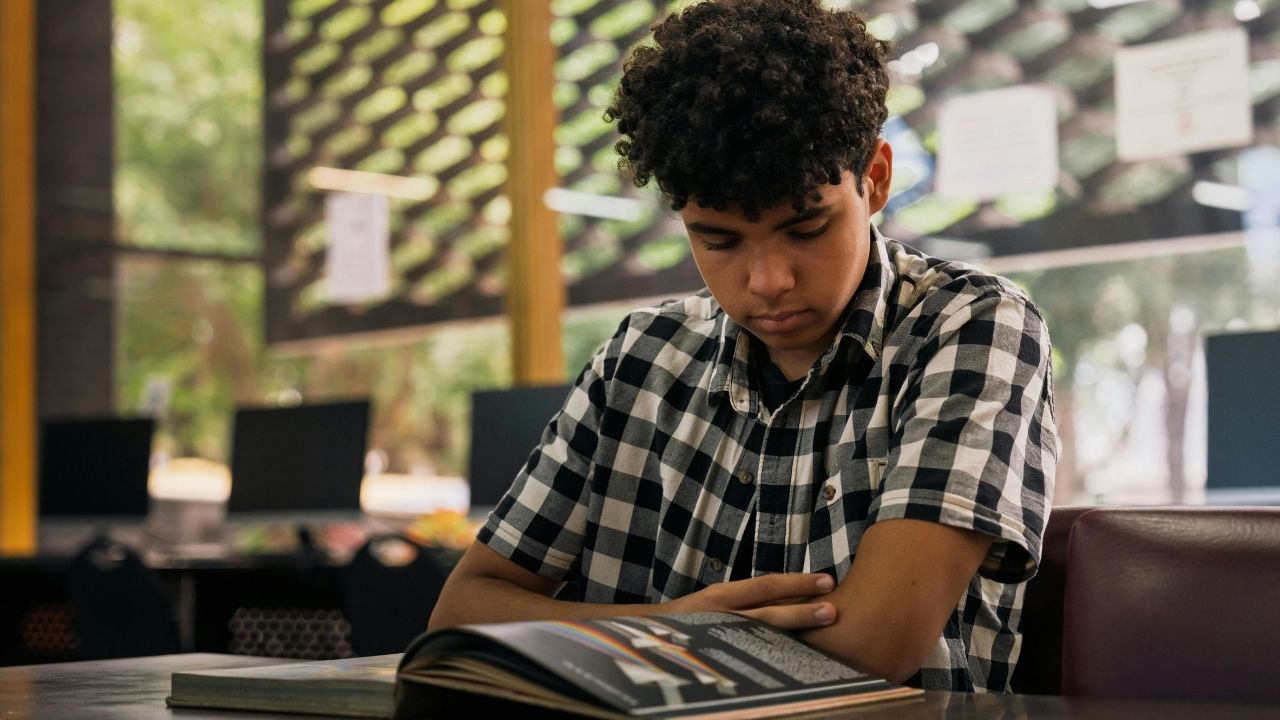
How Learning Routines Build Self-Discipline
Self-discipline is one of the most valuable traits a young person can develop. It affects academic performance, career success, financial responsibility, and personal relationships.
Creating a daily learning routine helps teens strengthen this skill in a practical way. When they commit to reading, studying, or exploring new topics each day, they learn how to prioritize long-term goals over short-term distractions.
In a world filled with social media notifications, streaming services, and endless entertainment options, maintaining focus can be challenging. A structured learning routine teaches teens how to manage their attention and use their time intentionally.
Over time, this discipline often extends into other areas of life, including fitness, work habits, and personal responsibility.
Developing Critical Thinking Skills
Knowledge alone is valuable, but the ability to think critically about information is equally important.
Today’s teens are exposed to enormous amounts of content every day. News articles, videos, social media posts, advertisements, and online discussions all compete for their attention. Learning how to evaluate information, identify bias, and form independent conclusions has become an essential life skill.
Reading educational materials regularly helps develop these abilities. Exposure to different viewpoints encourages teens to analyze ideas rather than simply accept them at face value.
Resources such as non-fiction books for teens can provide opportunities for young readers to engage with important topics, explore complex concepts, and strengthen their analytical thinking skills. By developing the habit of thoughtful learning, teens become better equipped to make informed decisions throughout their lives.
Building Confidence Through Knowledge
Confidence often comes from preparation and understanding. People tend to feel more capable when they have knowledge that helps them navigate challenges and unfamiliar situations.
For teenagers, daily learning routines can steadily build this confidence. Each new skill learned, book completed, or concept understood contributes to a growing sense of competence.
This confidence can have positive effects in school, extracurricular activities, job interviews, and social interactions. Teens who regularly engage with educational content often feel more comfortable expressing their opinions, participating in discussions, and pursuing ambitious goals.
Importantly, confidence built through learning tends to be more durable than confidence based solely on external validation. It comes from genuine growth and accomplishment.
Preparing For Careers That Do Not Yet Exist
One of the most interesting realities facing today’s teens is that many future careers have not yet been invented. Technological innovation continues to create entirely new industries and job categories.
Because of this uncertainty, the ability to learn may become more valuable than any specific piece of knowledge.
Employers increasingly seek individuals who can adapt, solve problems, and acquire new skills quickly. A teenager who develops strong learning habits today will be better prepared to handle future changes in the workplace.
Daily learning routines encourage curiosity and adaptability. They teach young people how to seek information, evaluate resources, and expand their expertise independently. These capabilities remain valuable regardless of how industries evolve.
Creating A Sustainable Learning Routine
The most effective routines are realistic and sustainable. Teens do not need to spend hours every day studying to experience meaningful benefits.
A successful learning routine might include:
- Reading for twenty minutes before bed
- Listening to educational podcasts during a commute
- Exploring a new topic each week
- Keeping a journal to reflect on new ideas
- Setting monthly learning goals
- Discussing books and current events with family members
The key is consistency rather than perfection. Missing a day occasionally is normal. What matters is returning to the routine and maintaining a long-term commitment to growth.
Parents and educators can support this process by helping teens discover subjects that genuinely interest them. Learning becomes much easier when curiosity drives the experience.
The Long-Term Benefits Of Lifelong Learning
The habits developed during adolescence often influence behavior well into adulthood. Teens who learn to value education beyond the classroom are more likely to continue seeking knowledge throughout their careers and personal lives.
Lifelong learners often experience greater professional flexibility, improved problem-solving abilities, and increased personal fulfillment. They are better prepared to adapt to changing circumstances and more likely to pursue opportunities for growth.
Perhaps most importantly, continuous learning helps individuals remain engaged with the world around them. It fosters curiosity, creativity, and an openness to new ideas that can enrich every stage of life.
Conclusion
The connection between daily learning routines and future success is both practical and powerful. Consistent learning helps teens build discipline, confidence, critical thinking skills, and adaptability; qualities that contribute to achievement in virtually every area of life.
In a world that continues to evolve at an unprecedented pace, developing the habit of learning may be one of the most valuable investments a teenager can make. Small daily efforts accumulate over time, creating a foundation for personal growth, career success, and lifelong opportunity.
For today’s teens, success is not determined solely by what they know right now. It is shaped by their willingness to keep learning, growing, and exploring new ideas every single day.