A dopamine detox is a structured practice of stepping back from high-stimulation activities to help restore your brain’s natural reward sensitivity. If everyday tasks feel flat, motivation is hard to find, or you can’t get through an hour without reaching for your phone, your brain’s reward system may be out of balance. We break down what a dopamine detox actually involves, how to build a routine around it, and what to realistically expect along the way.

What a Dopamine Detox Actually Does
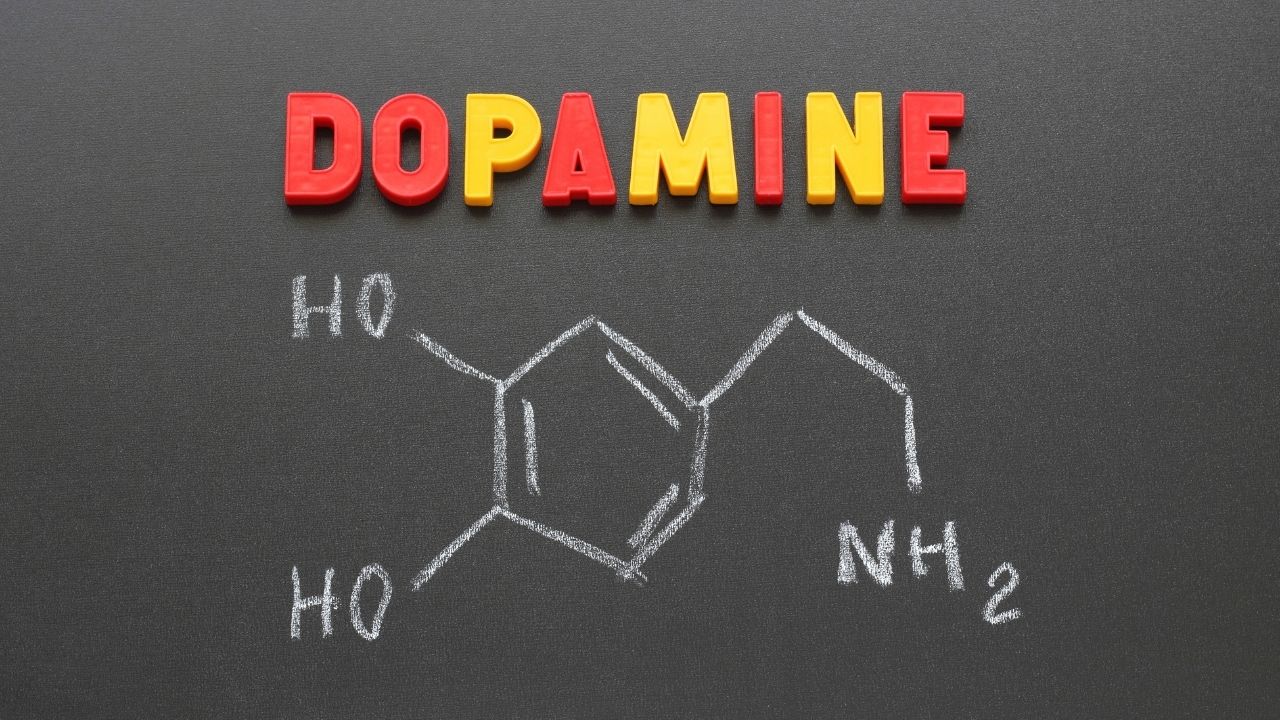
Despite the name, a dopamine detox doesn’t remove dopamine from your brain. Dopamine isn’t something you can, or would want to, flush out. It’s a neurotransmitter that’s essential for motivation, learning, mood regulation, and physical movement. What a dopamine detox does instead is reduce the frequency of high-stimulation inputs so your brain’s reward pathways can recalibrate.
Here’s what you need to know: the goal isn’t deprivation. It’s recalibration. When the brain is constantly exposed to quick dopamine hits from social media, processed food, and digital entertainment, it starts requiring more stimulation to feel the same level of reward. According to Harvard Health, dopamine plays a central role in the brain’s system for reward and reinforcement, shaping the behaviors we repeat. When that system gets overstimulated, everyday activities like a walk outside or a conversation with a friend stop feeling satisfying.
A dopamine detox routine works by:
- Reducing or pausing activities that produce rapid, intense dopamine spikes
- Replacing them with low-stimulation alternatives
- Giving the brain’s reward pathways time to restore their baseline sensitivity
- Gradually rebuilding motivation through natural, sustainable activity
The key takeaway is that a successful dopamine reset isn’t about cutting out pleasure. It’s about changing how the brain processes it.
Signs Your Brain’s Reward System Is Out of Balance
Most people who explore a dopamine detox routine are already noticing the symptoms. The harder part is recognizing what’s actually behind them.
You Can’t Focus Without Constant Stimulation
If sitting with a task feels impossible unless there’s background noise, a podcast, or a second screen running, that’s a sign your brain has adapted to high-stimulation input as its baseline. Attention spans shorten when the brain is conditioned to expect rapid reward. One member of our team noticed this pattern during a heavy stretch of remote working: after a few weeks of back-to-back video calls, podcast commutes, and late-night scrolling, even reading a book for 20 minutes felt like effort. It wasn’t laziness. It was a reward system that had quietly shifted its threshold.
Everyday Pleasures Feel Flat
This is one of the most commonly reported signals. Food that used to taste great feels ordinary. Hobbies that once felt engaging now feel like a chore. That flatness, sometimes called anhedonia, develops gradually when high-stimulation inputs become the norm and the brain’s sensitivity to lower-level rewards decreases.
You’re Reaching for Your Phone on Autopilot
Compulsive phone checking, especially in quiet moments, is one of the clearest behavioral signs of an overstimulated reward system. The phone often isn’t offering anything useful at that point. It’s simply the fastest available dopamine source, and the brain has been trained to reach for it.
Motivation for Long-Term Goals Has Dropped Off
When the brain is accustomed to instant reward, delayed gratification becomes genuinely harder. Projects that require sustained effort lose their appeal quickly. This is worth addressing at the neurological level, not just through productivity strategies.
Sleep Quality Has Declined
Overstimulation from screens disrupts the brain’s natural dopamine rhythm and interferes with sleep regulation. Poor sleep then compounds the issue, reducing the brain’s ability to regulate motivation and mood the following day. It’s a cycle that’s hard to break without addressing the stimulation side first.
How to Structure Your Dopamine Detox Routine
There’s no single template that works for everyone, but a structured approach is more effective than a vague intention to “use your phone less.” Here’s how to build the routine in practical terms.
Step 1: Define Your High-Stimulation Triggers
Start by identifying the specific activities that represent your biggest dopamine spikes. These commonly include:
- Social media scrolling
- Short-form video content (TikTok, Instagram Reels, YouTube Shorts)
- Video games
- Processed snacks and junk food
- Online shopping
- Binge-watching TV
The key factor here is specificity. Deciding to “cut back” generally doesn’t produce results. Deciding to remove a specific app from your phone for 30 days does.
Step 2: Choose a Duration That’s Realistic
A dopamine detox routine can last anywhere from a single afternoon to 30 days or longer. For most people, a 7- to 30-day structured period gives enough time to notice a meaningful shift. Medical News Today notes that the timeframe depends on individual goals and lifestyle, and there’s no universal reset timeline.
A practical starting point for a dopamine detox schedule:
- Single day: Useful for first-timers or those testing the process before committing
- 7 days: A manageable short reset that produces noticeable shifts in attention and mood
- 30 days: Enough time to form replacement habits and reduce cravings significantly
- 90 days: The most thorough reset, particularly effective for breaking longer-term behavioral patterns
Step 3: Replace, Don’t Just Remove
This is where most dopamine detox routines succeed or fail. Without a plan for what replaces the removed activities, the brain defaults back to familiar habits quickly. Low-stimulation activities that support natural dopamine production include:
- Walking outdoors without earphones
- Reading physical books or long-form articles
- Journaling or free writing
- Strength training or yoga
- Cooking from scratch
- Conversation without phones present
- Creative work with no time pressure
The goal isn’t to eliminate enjoyment. It’s to shift the brain toward finding reward in slower, more effortful activities.
Step 4: Build a Structured Daily Schedule
A loose intention won’t hold up through the restlessness that comes in the early stages of a dopamine detox. A structured day acts as a guardrail. If you’re noticing that focus has become harder to sustain in general, our guide on how to improve your focus covers the supporting habits worth layering in alongside a detox routine.
A simple starting template:
- Morning: No screens for the first hour, light movement, a slow breakfast without media
- Midday: Focused work or learning, physical activity, social interaction
- Evening: Low-stimulation wind-down, no social media after a set time, analog activities before bed
What to Expect in the First 72 Hours
The first two to three days of a dopamine detox are often the most uncomfortable, and it helps to know that’s a normal part of the process.
Restlessness and boredom are likely. The brain is conditioned to seek stimulation, and when it doesn’t arrive, it signals discomfort. That isn’t a sign the detox isn’t working. It’s the opposite.
Some people experience mild irritability, difficulty concentrating, or a low-grade sense of emptiness during this phase. These symptoms generally peak around the 48 to 72-hour mark and begin to ease as the brain starts adjusting its reward thresholds.
One thing the team found useful when testing a structured 7-day version: removing the phone from the room wasn’t quite enough on its own. Replacing the physical habit of reaching for it with something tactile and immediate, like picking up a notebook or making a cup of coffee, helped break the automatic loop faster than relying on willpower alone. Small environmental changes consistently outperformed strong intentions.
By the end of the first week, most people report that low-stimulation activities feel noticeably more engaging than they did at the start. That’s the reward system beginning to recalibrate.
The Patterns That Quietly Undermine a Dopamine Reset
Several common approaches to dopamine fasting look reasonable on paper but tend to reduce results in practice.
Going too extreme, too fast. Attempting to eliminate all stimulating activities at once is difficult to sustain, and the backlash tends to be worse than the original habit. A more effective approach is targeting one to three specific behaviors first. Gradual is more durable.
Treating it as a one-time event. A 24-hour detox followed by a return to previous habits won’t produce lasting change. The real value of a dopamine detox routine comes from what it teaches about behavioral substitution, not the detox period itself. Long-term reward system recalibration requires sustained adjustment.
Swapping one screen for another. Giving up TikTok but spending that time on Netflix doesn’t change the underlying pattern. The issue isn’t any specific platform. It’s the brain’s exposure to rapid, low-effort reward. Replacing one passive screen habit with another maintains the same neurological dynamic, even if the content differs.
Expecting results in 48 hours. Some people notice improved focus and motivation within a week. Real recalibration of the brain’s reward pathways is a longer process. Behavioral neuroscience generally points to weeks or months of consistent practice before meaningful rewiring takes hold, not a single reset period.
Skipping sleep and exercise. Both are central to healthy dopamine regulation. Poor sleep and a sedentary lifestyle undermine even a well-structured detox. Movement, whether that’s running, lifting, or a daily walk, supports natural dopamine production and helps offset the low-motivation phase in the early days.

Rebuilding Reward From the Ground Up
The longer-term goal of a dopamine detox routine isn’t a life with fewer pleasures. It’s a life where smaller, more meaningful things feel rewarding again.
After the initial reset period, the focus shifts toward maintenance: keeping high-stimulation inputs as occasional choices rather than defaults, continuing to prioritize low-stimulation activities, and building habits that produce steady, natural dopamine rather than spikes.
For many people, the most significant change isn’t the absence of phone use or junk food. It’s the return of genuine motivation for the things that actually matter: long-term projects, real conversations, physical goals, creative work. That’s the reward system doing what it’s supposed to do.
A single detox period won’t rewire years of habit. But a structured routine, practiced repeatedly, does. Start small, stay specific, and build from there.
Frequently Asked Questions
What is a dopamine detox routine? A dopamine detox routine is a structured practice of reducing high-stimulation activities, such as social media, junk food, and short-form video, to allow the brain’s reward system to restore its natural sensitivity. It’s based on behavioral principles rather than any literal chemical detox.
How long does a dopamine detox take to work? Most people notice shifts in attention and mood within 7 days. More meaningful recalibration of the brain’s reward pathways generally takes 30 to 90 days of consistent practice.
What activities are allowed during a dopamine detox? Low-stimulation activities are encouraged: walking outdoors, reading, journaling, cooking, exercise, and face-to-face conversation. The goal is to replace rapid, low-effort reward with slower, more earned experiences.
Is dopamine fasting scientifically proven? The term “dopamine detox” is a popular concept rather than a clinical protocol. The behavioral principles behind it, reducing compulsive overstimulation and replacing high-reward habits, are grounded in cognitive behavioral approaches. Harvard Health notes that the original concept has often been misapplied, but structured breaks from overstimulating activity do have observable behavioral benefits.
Can you do a dopamine detox while working? Yes. A dopamine detox doesn’t require stepping away from responsibilities. It involves removing specific high-stimulation behaviors outside of work and building structure into your routine that limits impulsive reward-seeking throughout the day.