The “Eat the Frog” method is a productivity technique built on one simple idea: identify your most important, most avoided task of the day, and do it first. It’s one of the most straightforward approaches to stopping procrastination on high-impact work, and it’s been a staple of the productivity world for over two decades. In this article, we’ll break down what the method involves, why it works, where it tends to go wrong, and how to make it a sustainable part of your daily routine.
What “Eating the Frog” Actually Means
The core concept is this: your “frog” is the task you’re most likely to delay. It’s usually significant, often uncomfortable, and tends to sit in the back of your mind all day if you don’t deal with it. The method’s instruction is simple.
- Identify your single most important (and most dreaded) task the night before
- Start your day with that task before checking email, scrolling, or handling admin
- Work on it without switching to anything else until it’s done
- Move on to lighter work, knowing the hardest part is already behind you
The key factor here is that the frog isn’t necessarily the most urgent task. It’s the one with the greatest impact, and the one you’re most tempted to push to tomorrow. Completing it first means your most important work gets your best attention, not whatever’s left at the end of a busy day.

Where the Phrase Comes From
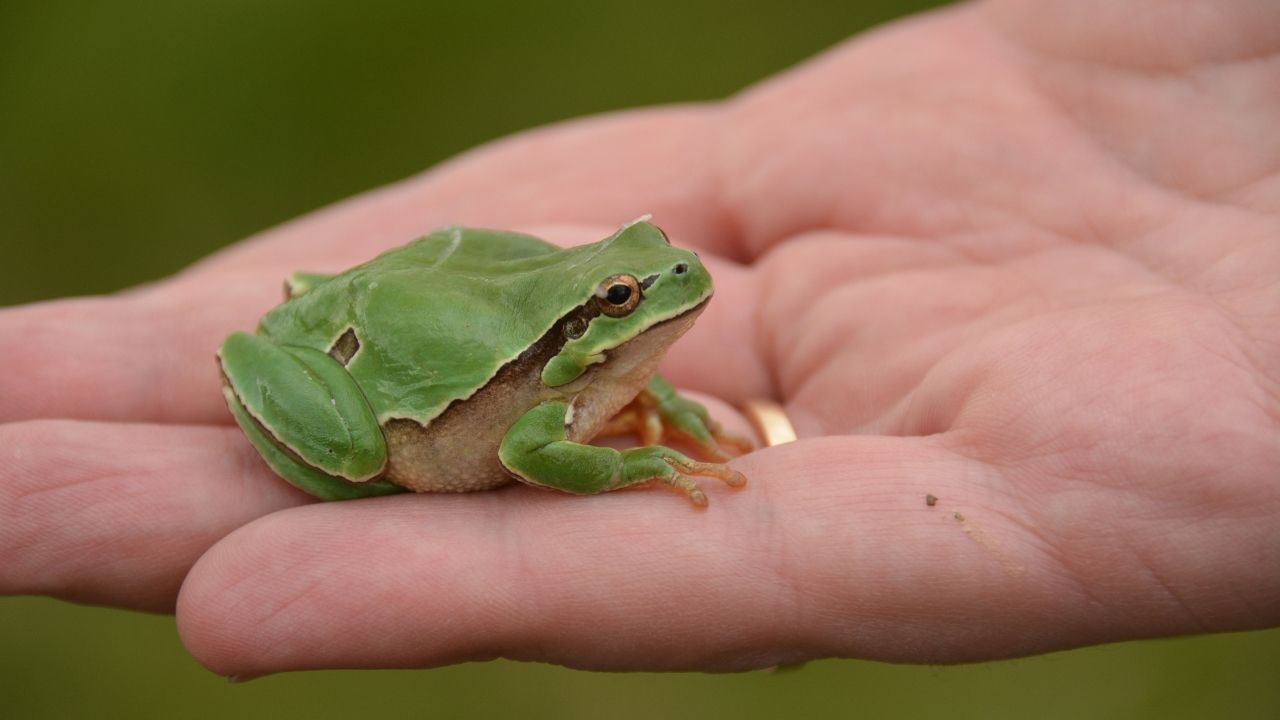
The phrase is rooted in a quote commonly attributed to Mark Twain: “If it’s your job to eat a frog, it’s best to do it first thing in the morning. And if it’s your job to eat two frogs, it’s best to eat the biggest one first.”
The idea was formalized as a productivity framework by Brian Tracy in his 2001 book Eat That Frog! 21 Great Ways to Stop Procrastinating and Get More Done in Less Time. Tracy’s argument was straightforward: procrastination is most damaging when it applies to high-value tasks. If you consistently delay your most important work, you’ll stay busy but won’t make real progress. His answer was to make tackling that task a non-negotiable morning habit.
The name is intentionally uncomfortable. That’s part of the point.
Why This Approach Works When Others Don’t
A lot of productivity methods ask you to overhaul your entire workflow. The eat the frog technique doesn’t. It asks for one specific behavior change, which is part of why it’s stuck around while more complicated systems haven’t.
It matches hard work to your peak energy window
Most people have a window in the morning when focus is sharpest and mental resistance is lower. Scheduling your hardest task for that window isn’t just motivational advice. Research consistently shows that cognitive performance, decision-making, and sustained attention are strongest earlier in the day for a large portion of people. Saving your frog for 4 p.m. means tackling it when you’re least equipped to handle it.
It removes the “what should I start with?” spiral
One of the most underrated drains on daily productivity is decision fatigue at the start of the day. When you sit down without a clear priority, you spend mental energy figuring out where to begin, often defaulting to easier tasks that feel productive but aren’t. Identifying your frog the night before removes that friction entirely. You start your day with a clear first move.
One of our team members spent months starting every workday by going through email, telling themselves it was a necessary warmup. The problem: by the time they’d cleared the inbox, the morning was half gone and the high-impact work kept getting pushed to the afternoon, then the next morning. Switching to a frog-first approach meant that one important task actually got done before anything else got in the way.
It replaces low-level dread with momentum
There’s a specific kind of mental drag that comes with having a difficult task looming over your day. It doesn’t go away just because you’re working on other things. The eat the frog method eliminates that dread early. Once the hardest thing is done, everything that follows genuinely feels lighter. That psychological shift is one of the most consistent benefits people report when they try the approach.
It creates real momentum rather than just busyness
There’s a difference between feeling productive and being productive. Clearing fifteen small tasks can feel satisfying while leaving your most important work untouched. Starting with the frog ensures that at least one meaningful piece of work is completed each day, regardless of how the rest of the day unfolds.

How to Build the Eat the Frog Habit Into Your Day
Getting the concept isn’t the hard part. Turning it into a consistent morning habit is where most people struggle. Here’s what tends to work.
Identify your frog the night before, not the morning of. This is probably the single most important step. When you decide on your frog in the morning, you’re already competing with distraction, inbox notifications, and the temptation to start small. Choosing it the night before means you wake up with a clear first task already set. Try ending each workday by asking: “If I only get one thing done tomorrow, what should it be?”
Start before you check anything. Email and social media put you into reactive mode immediately. Your frog needs proactive, focused energy. Even a five-minute email check before starting your frog can fragment your attention and make it harder to commit. Keep the first part of your morning for the task you set the night before.
Keep it to one frog. The method only works because it narrows focus. When people try to identify three frogs, they’ve just created a demanding to-do list with a different name. Pick one. If there’s a second difficult task that genuinely has to happen that day, treat it as secondary and tackle it only after the first frog is done.
Break large frogs into a defined starting point. If the task is something big (a report, a project brief, a difficult conversation you’ve been putting off), it’s easy to look at it as an overwhelming whole. Define a specific starting action the night before. Not “work on the quarterly report” but “draft the executive summary section.” This makes beginning much easier.
Track how it goes for two weeks. In our experience, the first few days of any new morning routine feel a little awkward. You’ll be tempted to start with email, or tell yourself the frog isn’t actually that important. Give the method at least ten working days before judging whether it’s working for you. Most people find a noticeable shift in how accomplished they feel by the end of each day.
If you’re still figuring out the broader structure of your mornings, it’s worth reading our guide on how to build a daily routine that actually works, which covers how to design a full-day routine around your most important priorities.
Where the Method Tends to Fall Apart
The eat the frog technique is simple, but that doesn’t mean it’s foolproof. Here are the most common ways people undermine it.
Picking the wrong frog. The frog should be the task with the highest impact, not necessarily the one that feels most urgent. Urgent and important aren’t the same thing. If you consistently choose your frog based on what feels most pressing rather than what actually moves the needle, you’ll be busy but not necessarily productive.
Eating email first. This one happens more than most people realize. Someone opens their inbox “just to check,” gets pulled into a thread, and suddenly it’s 10 a.m. and they haven’t started their frog. Treat the period before your frog as completely off-limits for reactive tasks.
Choosing multiple frogs. Some productivity advice suggests identifying your “top three priorities” for the day. That’s reasonable for planning, but for the eat the frog method specifically, trying to eat two or three frogs before noon often means doing none of them properly. One frog, done well, is the whole point.
Skipping the night-before step. Some people try to decide their frog each morning. This works occasionally, but it adds friction and leaves more room for rationalization. You’re more likely to pick a genuinely important task the night before, when you can think clearly without the pull of that day’s distractions.
Forcing it regardless of your chronotype. The eat the frog method works best when your frog is scheduled during your peak focus hours. For most people, that’s the morning. But if you’re someone who consistently does sharper thinking in the late morning or afternoon, it’s worth adjusting the timing accordingly. The principle still holds; the strict “first thing” rule is flexible.
Is This the Right Productivity Method for You?
In most cases, the eat the frog technique is worth trying at least once. It’s low-friction, doesn’t require any new tools, and can be layered on top of whatever system you’re already using. It works particularly well for people who tend to procrastinate on meaningful work while staying busy with easier tasks.
That said, it isn’t a universal fix. A few situations where it may need to be adapted:
If you have ADHD or significant morning anxiety. Starting the day with your most challenging task can feel overwhelming rather than energizing for some people. If that’s the case, a brief warmup routine (one or two small, easy wins) before moving to the frog can help reduce the activation barrier without abandoning the method entirely.
If your role is primarily reactive. In fast-paced environments where urgent requests arrive constantly, protecting your first hour for focused solo work may not always be realistic. Combining the eat the frog approach with time blocking, as Todoist outlines in their deep dive into the method, can help carve out dedicated frog time even in unpredictable workdays.
If the task genuinely requires collaboration. Not all frogs can be eaten alone. If your most important task first thing in the morning depends on another person’s input or availability, break it down into a component you can work on independently and treat that as your starting point.
The One Change Worth Making Tomorrow
The eat the frog routine doesn’t ask you to overhaul your mornings or invest in a new system. It asks for one decision each evening: what’s the single most important thing you need to do tomorrow? And then it asks you to do that thing first, before the day fills up with everything else.
The method’s staying power comes from its simplicity. There’s no complicated framework, no app required, no lengthy planning session. The key takeaway is this: your most important work deserves your sharpest attention, and that’s almost always available early, before the noise sets in.
If you’ve ever reached the end of a workday wondering where the time went while your most meaningful task stays on the list for another tomorrow, eating the frog is worth a try. Start tonight. Decide on your frog. See what changes when it’s the first thing done.