


Arriving in a new city alone can feel equal parts exciting and overwhelming. The good news is that a simple, structured first-day routine can make the experience feel a lot more manageable. Getting your bearings early, setting a calm pace, and knowing what to prioritise are the three things that make the biggest difference.
In this article, we’ll break down the ideal first-day routine for solo travellers, including what to do when you arrive, how to orient yourself, and the key habits that keep your trip on track from day one.
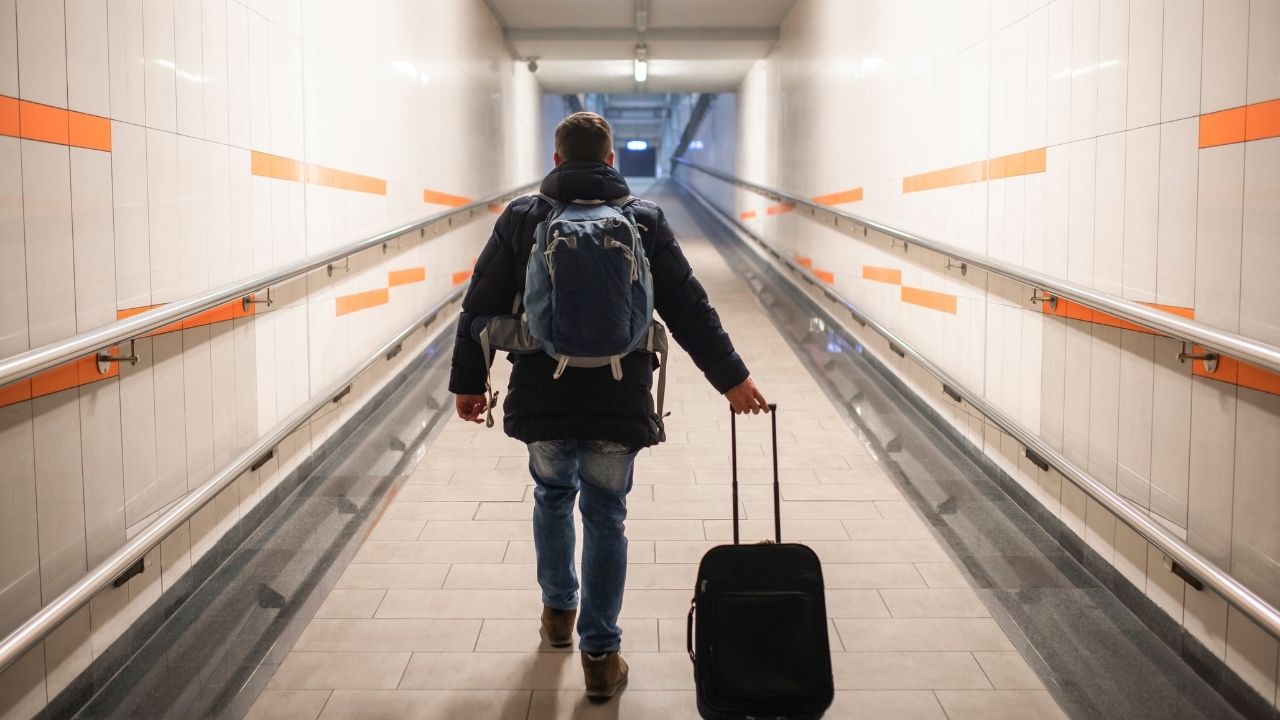
What Should You Do on Your First Day in a New City?
The main priority on your first day as a solo traveller is orientation, not sightseeing. Here’s a straightforward structure to follow:
- Arrive before dark if possible, so you can navigate more easily
- Drop your bags and walk the immediate area around your accommodation
- Identify key landmarks and transport routes near where you’re staying
- Eat something local and take time to slow down
- Do one low-pressure activity, such as a walking tour or a visit to a nearby park or market
- Check in with someone back home and share your location or itinerary
- Plan the next day loosely before you go to sleep
The key takeaway is this: day one is about settling in, not packing in as much as possible. The more grounded you feel in your surroundings, the better the rest of your trip will go.
Key Factors That Affect Your First Day Routine
Several factors shape what your first day actually looks like. Here’s what to consider before you arrive.
Arrival Time
Arriving in daylight makes everything simpler. You can read signage more easily, navigate public transport with less stress, and get a clearer sense of the neighbourhood around your accommodation. If something about your lodging doesn’t feel right, you’ll also have time to make alternative arrangements. In most cases, a mid-morning or early afternoon arrival gives you the best start.
Jet Lag and Travel Fatigue
If you’ve crossed multiple time zones or had a long travel day, your energy levels on arrival may be lower than expected. This matters when planning your first-day routine. Pushing through with a packed itinerary often leads to poor decisions and a slower recovery. We’ve made this mistake ourselves, arriving in a new city after a red-eye and immediately heading out to sightsee, only to spend the following day completely flat. If you’re crossing time zones, it’s worth having a plan for recovery before you land. Our jet lag recovery routine covers the steps that actually help you bounce back faster. A lighter first day, followed by a stronger second, generally leads to a better overall trip.
Type of Accommodation
Where you’re staying affects your first-day rhythm. Hostel common areas are often a good source of informal tips from other travellers, and many hostels run organised activities that take the pressure off planning. Hotel and apartment stays offer more privacy but require more independent navigation from the start. Either way, knowing your accommodation’s location relative to the city centre or key transit hubs before you arrive saves time.
Familiarity With the Destination
First-time visitors to a city generally benefit from a slower, more structured first day. If you’ve visited before, you may feel comfortable jumping straight into activities. This depends on the individual, but as a general rule, the less familiar the destination, the more valuable it is to build in downtime early on.
Safety Considerations
The level of caution required on your first day varies by destination. Researching the neighbourhoods around your accommodation in advance, knowing which areas to avoid at night, and having key contacts saved on your phone are all worth doing before you leave. These steps matter more in some cities than others, but they’re always worth the effort.

The First Day Routine: Step by Step
Here’s a practical structure that works well for most solo travellers arriving in an unfamiliar city.
Step 1: Get From the Arrival Point to Accommodation Without Complications
Before you travel, confirm exactly how you’re getting from the airport, train station, or bus terminal to your lodging. Know the name of the transit line, what the signage looks like, and approximately how long it takes. Download offline maps for your destination before departure so you’re not relying on data from the moment you land.
This single step removes the most common source of first-day stress. Arriving in a new city already knowing your route is a small thing that makes a large difference.
Step 2: Drop Your Bags and Walk the Immediate Area
Once you’ve checked in or left your luggage, spend 20 to 30 minutes walking the streets immediately around your accommodation. There’s no agenda here. The goal is simply to build a mental map of your immediate surroundings: where the nearest food options are, how the streets are laid out, and what the neighbourhood feels like at ground level.
This short walk is something we do instinctively now, but it took a few disorienting first days in unfamiliar cities to understand why it matters. Even 20 minutes on foot does more to settle you into a new place than any amount of map-studying before you arrive.
Step 3: Eat Something Before You Do Anything Else
Travel, even when things go smoothly, is physically draining. Before starting any planned activity, find somewhere to eat. Street food stalls, local cafes, and neighbourhood markets are often better choices than the first restaurant you see near a tourist landmark. Eating local food also gives you a quick entry point into the culture and pace of the place you’ve arrived in.
Step 4: Orient Yourself With a Walking Tour or Self-Guided Walk
One of the most effective things a solo traveller can do on day one is take a walking tour. Many cities offer pay-what-you-wish tours that run throughout the day. These cover key landmarks and historical context, and they’re a practical way to meet other travellers in a low-pressure setting. Platforms like GuruWalk let you search and book local tours in cities worldwide before you arrive.
If a guided tour doesn’t appeal, a self-guided walk using a basic map or a city guide app works just as well. The goal is to start connecting the places you’ve read about with the actual layout of the city.
Step 5: Identify One or Two Transit Routes You’ll Use Regularly
Understanding how to get around is one of the most practical things you can do on your first day. Study the transit map, identify the lines or routes you’re most likely to use, and if possible, test them in daylight before you need them. Knowing how the public transport system works reduces friction on every day that follows.
Step 6: Do One Low-Key Activity in the Afternoon
Rather than trying to visit multiple sites on day one, choose a single, low-pressure activity for the afternoon. A visit to a local market, a walk through a public park, or a browse through a neighbourhood you read about in advance all work well. The key factor here is keeping the first day manageable. One meaningful experience is more valuable than a rushed list of ticked-off sights.
Step 7: Eat Dinner Somewhere Calm and Plan Tomorrow
Solo dining is something many first-time solo travellers feel uncertain about. Counter seating, cafe-style restaurants, and spots that cater to solo diners make the experience much easier. Bringing a book, a journal, or a notebook to plan the next day removes any awkwardness and makes the time productive. Honestly, some of us have come to prefer eating alone when we’re travelling. There’s something about sitting at a counter with a good meal and nowhere else to be that’s hard to replicate.
Before you sleep, spend ten minutes sketching out a loose plan for day two. A rough structure for the morning is enough. One of the bigger challenges of solo travel is keeping any kind of consistent structure across multiple days in different places. If that’s something you find difficult, our guide on how to maintain your routine while traveling is worth a read alongside this one. And if you’re looking to build better daily structure from the ground up, our guide to building a daily routine that actually works applies just as well on the road as it does at home.
Step 8: Check In With Someone Back Home
Before you settle in for the night, let someone at home know you’ve arrived safely. Share your accommodation details, a rough outline of where you’ll be the next day, and a time when you’ll next be in touch. This is a simple safety habit that takes two minutes and provides peace of mind on both ends.

Habits Worth Building From Day One
Keep the First Day Light
The first day sets the tone for the rest of the trip. Arriving with an overloaded itinerary creates unnecessary pressure. In most cases, a relaxed first day leads to more enjoyment and better energy in the days that follow.
Carry a Physical Backup
A downloaded offline map, a written note of your accommodation address in the local language, and a copy of key booking confirmations are all worth having in a format that doesn’t require internet access. Signal drops, dead batteries, and unfamiliar app interfaces are all more likely on your first day in an unfamiliar city.
Use Public Transport From the Start
Getting familiar with public transport early in your trip saves money and builds confidence. Most transit apps are intuitive and work across cities worldwide. Testing a bus or metro route on day one, when there’s no time pressure, is much easier than figuring it out when you actually need to be somewhere.
Trust Your Instincts About Safety
If something doesn’t feel right, leave the situation. This applies to people, places, and routes. Solo travellers generally develop stronger situational awareness over time, but even on day one, instinct is usually reliable. Prioritising safety over politeness is always the right call.
Leave Space for the Unexpected
Some of the best experiences in solo travel come from brief, unplanned moments: a market you stumbled into, a side street lined with independent cafes, or a short conversation with someone at a coffee counter. Leaving space in the first day for the unexpected is a habit worth building early.
Where Day One Goes Wrong
Arriving After Dark Without a Clear Plan
Arriving at night in an unfamiliar city makes everything harder. Navigation is more difficult, and the ability to assess a neighbourhood or make changes to accommodation is significantly reduced. Where possible, plan arrivals for the morning or early afternoon.
Over-scheduling the First Day
Trying to visit five or six major attractions on arrival day is a common mistake. It often leads to rushing, decision fatigue, and a feeling that the trip is already off to a pressured start. One to two activities, done at a relaxed pace, is almost always a better approach.
Not Downloading Offline Maps Before You Arrive
Relying entirely on live data in a new city adds unnecessary risk. Signal is inconsistent in many destinations, and international data plans aren’t always reliable from the moment of arrival. Downloading the relevant area in Google Maps before you leave costs nothing and removes a significant potential source of stress.
Keeping Your Head in Your Phone
Navigation apps are useful, but spending the first day staring at a screen means missing what’s actually happening around you. Use your phone for specific navigation decisions, then look up. The way a city sounds, smells, and feels at street level is part of the experience that helps you understand where you are.
Telling Strangers Where You’re Staying
This is a basic but important safety habit. Your accommodation details are private information. Keeping your lodging as a personal safe zone, rather than something you share casually, is a sensible approach regardless of destination.
Keeping It Simple
The first day in a new city as a solo traveller doesn’t need to be ambitious. The most important thing it can be is calm, grounded, and well-structured.
Getting your bearings, eating well, taking one orientation activity, understanding how to get around, and building in time to simply observe the city you’ve arrived in are all more valuable on day one than a packed list of sights. The routine outlined here is designed to reduce the friction of arrival and set a stable foundation for everything that follows.
In most cases, solo travellers who give themselves a measured first day find that their confidence builds quickly from there. The city becomes familiar faster, decisions feel easier, and the experience becomes what it’s meant to be: something you’re genuinely present for.

