Recovery has become one of the biggest talking points in fitness. While training intensity and nutrition still matter, athletes, coaches, and recreational gym-goers are paying closer attention to what happens after a workout. Better recovery often leads to more consistent training, fewer setbacks, and improved long-term performance.
As interest in sports science continues to grow, peptide research has become an increasingly discussed area. Researchers are studying peptides to better understand how they interact with biological processes involved in tissue repair, inflammation, and cellular signaling. Although much of this work remains within research settings, it has encouraged broader conversations about how the body recovers from physical stress and how future discoveries may shape sports science.

Understanding what peptide research involves, and where it fits within the wider picture of recovery, can help fitness enthusiasts make more informed decisions while separating scientific investigation from speculation.
Why Recovery Deserves More Attention
Recovery is more than simply taking a day off between workouts. It is an active process that allows muscles, connective tissues, and the nervous system to adapt to training demands. Without enough recovery, performance can plateau, motivation may decline, and the risk of overtraining increases.
A well-rounded recovery strategy often includes:
- Quality sleep
- Balanced nutrition
- Proper hydration
- Active recovery sessions
- Sensible training progression
- Stress management
These foundations remain the most reliable ways to support recovery. Emerging areas of research, including peptide studies, are being explored alongside these established practices rather than replacing them.
What Researchers Mean by Peptides
Peptides are short chains of amino acids that naturally occur throughout the body. Many function as signaling molecules, helping cells communicate and coordinate biological processes.
Researchers are investigating different peptides to better understand how they influence areas such as tissue repair, inflammation, and cellular activity. This research is helping scientists learn more about the body’s natural healing mechanisms, even though many questions remain unanswered regarding practical applications.
The growing interest in peptide science reflects a broader trend in sports medicine. Instead of looking only at muscles or joints, researchers are examining the complex communication systems that regulate recovery throughout the body.
The Role of Research Materials in Scientific Studies
Laboratory research depends on careful preparation and precise handling of materials. Accuracy is essential when researchers investigate peptides because reliable experimental conditions contribute to consistent observations.
Companies such as Licensed Peptides provide research materials used within laboratory environments. Preparing peptide solutions requires appropriate laboratory supplies, including BAC water for peptides when suitable for research protocols. Using appropriate research materials supports standardized laboratory procedures and helps researchers maintain consistency during experimental work.
Attention to detail at every stage allows scientists to focus on generating reliable observations that can contribute to future understanding.
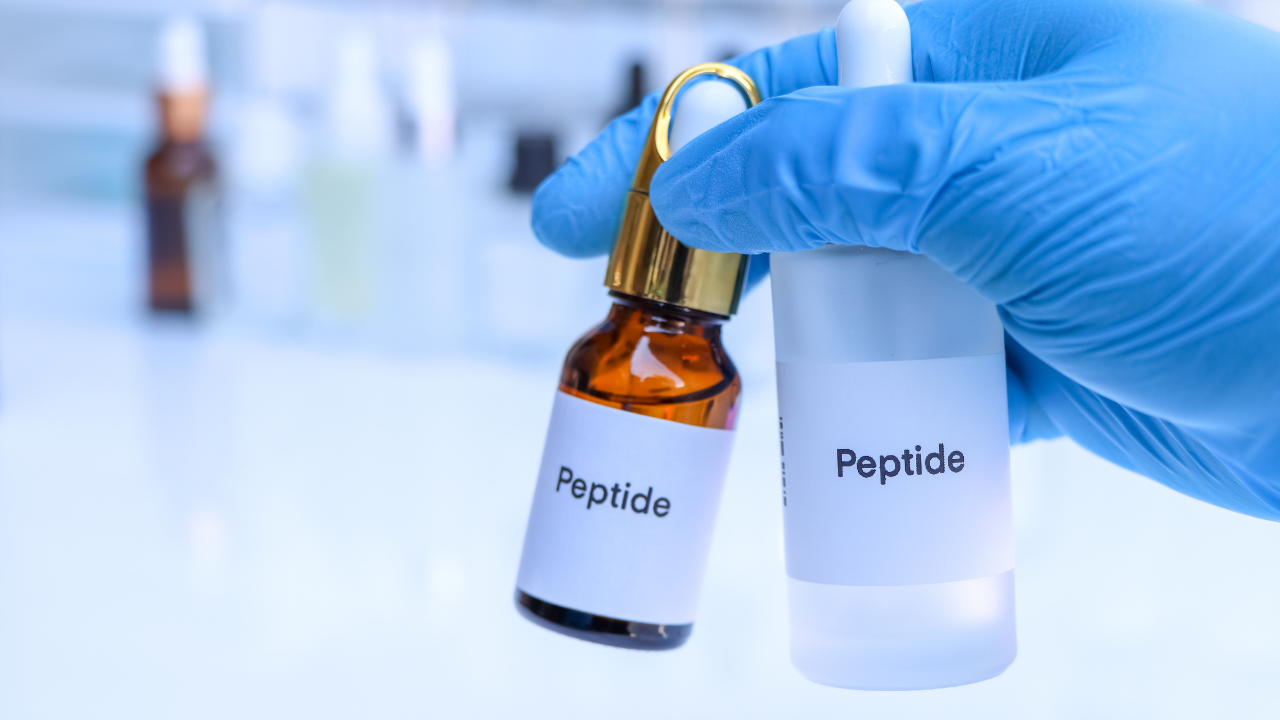
How Peptide Research Is Influencing Performance Discussions
One reason peptide research attracts attention is that it encourages a broader view of recovery. Rather than focusing solely on muscle soreness, researchers are examining multiple biological systems that work together after exercise.
Current discussions often include topics such as:
Recovery Between Training Sessions
Athletes frequently look for ways to recover efficiently between demanding workouts. Scientific research is exploring how cellular signaling contributes to normal recovery processes, helping researchers better understand the body’s response to physical stress.
Tissue Adaptation
Training creates microscopic stress that encourages the body to adapt over time. Researchers continue studying how different biological pathways contribute to this process, offering insights into the complex nature of tissue maintenance and repair.
Individual Responses
No two athletes recover in exactly the same way. Genetics, sleep habits, nutrition, training history, and age all influence recovery rates. Peptide research reinforces the importance of personalized approaches rather than assuming a single strategy works for everyone.
Licensed Peptides is one example of a company serving the scientific research community by supplying laboratory materials used to support ongoing investigation into these complex biological processes.
Keeping Expectations Grounded
Interest in peptide research has grown quickly, but it is important to distinguish between scientific investigation and established fitness recommendations.
Many topics discussed online move faster than the available evidence. Scientific understanding develops gradually through repeated studies, peer review, and ongoing evaluation. For that reason, new findings should be viewed as part of an evolving conversation rather than immediate conclusions.
For most people pursuing better fitness, the proven fundamentals still offer the greatest return:
- Follow a structured training plan.
- Prioritize consistent sleep.
- Eat enough protein and balanced meals.
- Stay hydrated.
- Allow adequate recovery between demanding sessions.
- Adjust training when fatigue accumulates.
These habits continue to provide a reliable foundation while research in emerging areas progresses.
What the Future May Hold
Recovery science is becoming increasingly sophisticated. Researchers are combining knowledge from physiology, molecular biology, nutrition, biomechanics, and exercise science to better understand how the body adapts to training.
Peptide research represents one part of this broader effort. As scientists continue exploring cellular communication and biological signaling, they may uncover new insights into how recovery occurs and why individuals respond differently to similar training programs.
Future discoveries could improve our understanding of recovery strategies, injury rehabilitation, and athletic performance. However, meaningful progress depends on careful research, responsible interpretation, and ongoing scientific validation.
Final Thoughts
Recovery has earned its place alongside training and nutrition as a core part of athletic development. The growing interest in peptide research reflects a desire to understand the body’s recovery systems in greater detail rather than relying on assumptions or shortcuts.
While researchers continue investigating these complex biological processes, fitness enthusiasts can benefit most by focusing on proven recovery habits and following developments with curiosity rather than expectation. As scientific knowledge expands, it will continue shaping how we think about performance, adaptation, and long-term health.