Getting older is weird. One day you are jumping off fences, and the next, your knees make a weird clicking sound just walking to the kitchen. It happens to almost everyone. We spend our younger years ignoring the little aches. We assume the body will just fix itself forever. Then, reality checks in. Movement stops being automatic. It becomes something we have to think about. Maybe we should have paid more attention sooner. It is fine, though. You can start right now. You just need a different approach.
Think about how you move every day. Most of us are stuck in chairs. Desks; cars; couches. Our bodies are being molded into a chair-shape. It is not great for our hinges. You do not need to go out and run a marathon tomorrow. That might actually be the worst thing you could do. You need consistency. You need to stop looking at your body like a machine you can just drop off at a garage. You are the mechanic. The maintenance happens at home, in the kitchen, and during those five-minute breaks you keep skipping.
The Hidden Mechanics of Friction
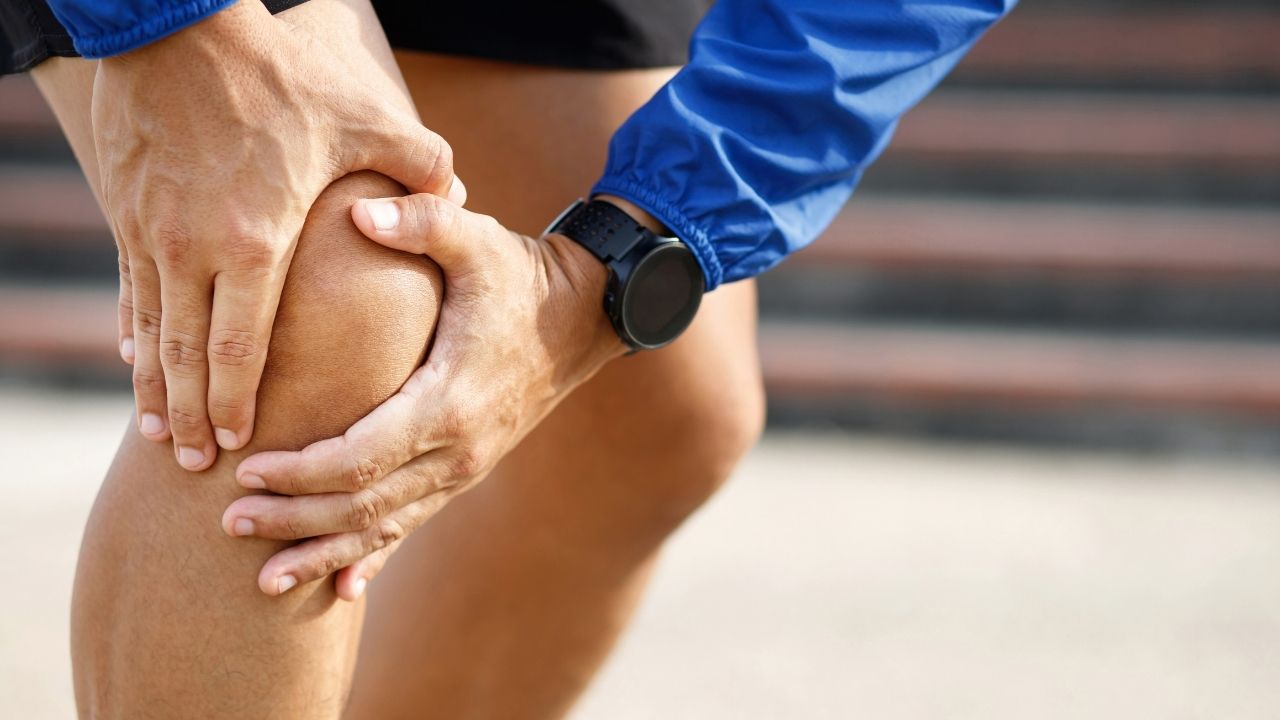
Consider the way your joints actually function. They rely on a fluid that keeps surfaces from grinding together. This stuff is thick. Viscous. When you are younger, your body makes plenty of it. As time goes on, that supply drops. Friction builds up. That is when you start feeling the stiffness. You look for ways to help the process along. It is common for practitioners to find they need to procure bulk clinical stock to buy Orthovisc to keep their supplies ready for patient needs. That clear, gel-like substance works by mimicking the natural fluid your body used to produce in abundance. It provides that much-needed space between bones. It acts as a shock absorber. It keeps the movement smooth instead of crunchy. It is a simple concept: add more cushion, reduce the wear.
1. Shift Your Patterns
We spend way too much time sitting. Our chairs are comfortable; our desks are at the right height. But our hips are locked in a ninety-degree angle for hours. The body adapts to the positions you hold the most. If you sit all day, your hip flexors get tight; your glutes go to sleep. You need to break that cycle. Stand up every forty-five minutes. Do a few circles. Change how you sit. Constant, tiny movements keep your joints from getting stuck in one position.
2. Drink Enough Water
People talk about drinking water like it is a boring chore. It is actually fuel for your joints. The cartilage in your body is mostly water. When you are dehydrated, you are essentially asking your joints to run dry. It is like running a motor without enough oil. You do not need to drink gallons; just keep a glass nearby. If your mouth is dry, your tissues are likely feeling it too. Simple logic.
3. Change the Impact Level
High-impact exercise has its place. Sometimes you want to run. Sometimes you want to jump. If you do it every single day, you are pounding your joints into submission. Mix it up. Swimming is great. It takes the weight off. Walking on soft surfaces is good too. Think about the surfaces you move on. Concrete is hard. Grass is better. Dirt trails are the best. Give your knees a break from the constant impact.
4. Feed Your Body Real Food
Supplements are fine. They are easy. But they do not replace actual nutrients. You need the stuff that lowers internal heat. Omega-3s are vital. Eat fish. Eat walnuts. Keep the inflammation down. You do not need to be perfect. Just try to crowd out the bad stuff with food that actually helps. It is not about deprivation. It is about giving your body the fuel it needs to repair the micro-tears you create every day.
5. Research and Peptides
Some people talk about peptides in fitness circles. These are just small chains of amino acids. They are strictly for laboratory research. Scientists study them to see how they might help with tissue repair or signaling. They are not for any type of personal application. Keep that in mind when you see them mentioned online. It is interesting science, but stay out of the rabbit hole. Let the researchers do their work. Focus on the basics you can control today.
6. Stabilize Your Weight
This is a tough one to talk about, but it matters. Every extra pound of body weight puts a surprising amount of pressure on your knees and hips. It is physics. Less weight equals less force every time your foot hits the ground. You do not have to be an athlete. Finding a weight that feels comfortable for your frame takes a lot of strain off your skeletal structure.
7. Strengthen the Armor
Muscles are the armor for your joints. If your quads are weak, your knees take the hit. If your glutes are weak, your hips suffer. You do not need to be a bodybuilder. You just need enough strength to support your frame. A few squats here and there. A little bit of resistance training. Keep the armor strong. Your joints will thank you later.
8. Use Stretching to Release Tension
People hate stretching. It is boring. It is slow. But it is the only way to fix the tightness. Your muscles are like rubber bands. When they get tight, they pull on your joints. They pull them out of their natural path. That is when the grinding starts. Spend five minutes before bed. Just five. Do not force it. Just breathe. You will notice the difference in a few weeks. You will feel less trapped in your own body.
9. Listen to the Signals
We are all guilty of playing through pain. We call it toughness. It is usually just stubbornness. A sharp, stinging pain is a signal. It means something is wrong. Stop. Adjust. Take a break. If you ignore it, it turns into a chronic problem. Then you are stuck. You know your body. You know when something is off. Pay attention to it.
- Notice that clicking sound in your shoulder.
- Feel the stiffness in your lower back when you wake up.
- Observe how your knee feels after a long drive.
- Track the fatigue in your ankles at the end of the day.
These are not just annoying things. They are reports. Read them. Take a day off. Resting is not lazy. It is productive. It is the time when the repair actually happens. If you do not let the tissue heal, you are just running on a deficit.
Making It Stick
It is a long game. You want to be mobile when you are eighty. You want to be able to pick up your grandkids. You want to walk without thinking about it. That future starts with what you do today. You do not need to be a fitness expert. You just need to be consistent. Move often. Eat well. Listen to the signals. Do not make it complicated. The body is resilient if you just give it a little space to work. Treat it like a partner, not a tool. You will be surprised at how well it holds up when you finally stop trying to break it. Keep going. Keep moving. It gets easier when you finally make the decision to actually take care of yourself.
Success here is not about hitting some goal on a fitness tracker. It is about waking up and feeling like you own your body again. That is the real win. You have the tools. You have the knowledge. Now just take the first step. Or the first stretch. Or maybe just a glass of water. It all counts. Your joints are listening. Are you?