Anyone can press play on a playlist. That’s not the hard part of running an event.
The real challenge is keeping the energy consistent while the event itself keeps changing shape. Guests arrive at different times. A welcome drink turns into speeches. Dinner service runs five minutes late. An awards segment finishes early. Then someone decides the networking portion needs “just a little more time.” In those moments, smooth transitions matter as much as the headline entertainment.
That’s where a professional DJ quietly becomes one of the most important people in the room.
When events feel seamless, it’s rarely an accident. It’s usually the result of someone managing tempo, reading the room, and helping each moment connect naturally to the next. A professional DJ doesn’t just provide music; they help create flow. And in corporate settings, private functions, fundraisers, and large-scale celebrations, that can be the difference between an event that feels polished and one that feels disjointed.
Event Flow Is Built Between the Big Moments
Most organisers focus on the obvious anchor points: the opening, the keynote, the awards, the meal, the after-party. Those matter, of course. But guests experience an event minute by minute, not just milestone by milestone.
The in-between moments are where things often unravel.
A room can lose energy while attendees wait for a speaker to be miked up. A dinner transition can feel abrupt if the soundtrack doesn’t shift with the mood. Even a short pause after a presentation can create awkwardness if there’s no audio cue to bridge the gap. These are small details, but they shape how professional the whole event feels.
Why transitions affect guest perception
People may not consciously notice every musical change or every well-timed cue, but they absolutely feel the result. Smooth transitions do three things:
- they reduce awkward silence
- they maintain momentum
- they reinforce the tone of the event
A skilled DJ understands that music is not just background sound. It’s a tool for pacing. Softer tracks can settle a room before formal remarks. Familiar, upbeat selections can lift the energy after a heavy presentation. Strategic timing can even help encourage movement, whether that’s guiding guests toward dinner, the dance floor, or the next agenda item.
A Professional DJ Is Part Host, Part Technician, Part Crowd Reader
The best DJs are not simply reacting to requests or cycling through popular songs. They are actively managing atmosphere.
That means paying attention to timing, room dynamics, and the emotional temperature of the audience. If a networking drinks reception is lively, they know not to kill the energy with music that’s too passive. If a formal awards segment is about to begin, they know how to tighten the sound and create a sense of occasion without overpowering the MC.
In business settings especially, this kind of awareness matters. Corporate audiences are often mixed: different age groups, departments, clients, leadership teams, and guests all sharing one space. Music has to support the event, not dominate it. That’s why experienced planners often look for professional music entertainment for business and corporate events that understands not only playlists, but structure, timing, and audience psychology.
The technical side guests never see
There’s also a practical layer that often goes overlooked. Professional DJs regularly coordinate with event managers, AV teams, venue staff, and presenters. They know when to fade down, when to hold, and when to hit a cue exactly on time.
That behind-the-scenes competence becomes invaluable when schedules shift, which they almost always do.
A good DJ can adapt without making the event feel improvised. If speeches run long, they can recalibrate the music plan. If the dance floor opens later than expected, they can rebuild momentum. If a presenter needs a walk-on sting or an awards cue, they can deliver it cleanly and without drama. Those adjustments may seem minor, but they prevent energy dips and keep the audience engaged.
Reading the Room Is a Skill, Not a Guess
One of the biggest misconceptions about event music is that success depends mostly on song choice. In reality, timing and judgement matter just as much.
A professional DJ reads more than musical taste. They read body language, conversation levels, movement patterns, and attention span. Are guests leaning into conversation, or looking ready for the next segment? Is the room tired after a long conference day? Did the previous speaker leave the audience energised, reflective, or distracted?
Matching the music to the moment
Different stages of an event require different kinds of musical intelligence.
During arrival, the aim is often to create warmth without demanding attention. During networking, the music should support conversation rather than compete with it. Before speeches, it should help focus the room. After formalities, it may need to reopen the energy carefully, especially if the audience isn’t naturally dance-floor driven.
There’s no universal playlist that achieves all of that. Context matters. So does restraint.
An experienced DJ knows when not to push too hard. They understand that flow is not always about increasing energy. Sometimes it’s about controlling it, easing it, or redirecting it before the room feels the shift.
Professionalism Creates Confidence Across the Whole Event Team
There’s another benefit event organisers appreciate: reliability lowers stress.
When you know the person handling audio and atmosphere understands event structure, you spend less time firefighting. The MC feels more confident. Speakers get cleaner intros. Venue teams can coordinate more smoothly. Even guests are more likely to stay present when an event moves naturally from one phase to the next.
That confidence is hard to quantify, but easy to recognise in practice.
What organisers should look for
If event flow is a priority, the DJ should be assessed on more than music taste alone. Ask whether they:
- have experience with structured events, not just parties
- can coordinate with run sheets and live schedule changes
- understand microphone handling and cue timing
- know how to adapt for mixed-age and mixed-purpose audiences
These aren’t glamorous questions, but they reveal whether someone can support the event as a whole rather than just fill silence.
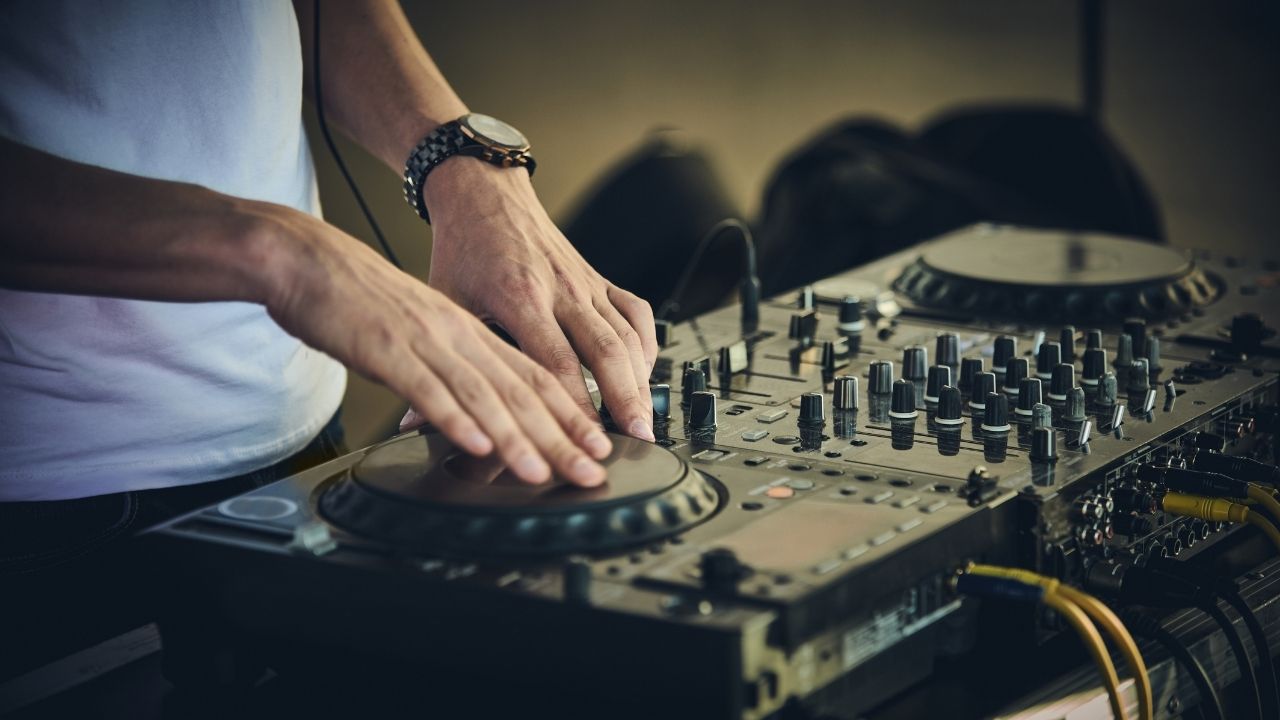
The Best Events Feel Effortless for a Reason
When an event runs beautifully, guests tend to describe it in broad strokes. They say it felt smooth, polished, or well organised. They rarely point to one song or one transition. That’s the point.
A professional DJ’s value often lies in what never goes wrong. No dead air. No jarring handover. No sudden collapse in energy between formal and informal segments. Just a room that keeps moving the way it should.
In that sense, the DJ is not simply part of the entertainment. They are part of the event infrastructure.
And when flow matters, that role is essential.
You may also like this:
How to Host a Festival-Themed Garden Party: A Step-by-Step Planning Routine