


Home fabrication projects, from custom trailer hitches to backyard railings, demand more precision than most hobbyists expect. A welder’s results depend heavily on visibility, joint preparation, and instrument reliability. Weekend fabricators often assume that skill alone determines the quality of a weld, but the equipment used plays an equally significant role.
Poor visibility through a scratched or outdated lens, inconsistent rod storage, or an ill-fitting helmet can all introduce defects that are difficult to catch until a project is already assembled.
Our article examines how the right combination of welding gear, from lenses and hoods to rod ovens, contributes directly to cleaner, more consistent fabrication work at home.
Why Fabrication Quality Starts Long Before You Strike an Arc
Every clean weld begins with preparation, not with the trigger pull of the machine. Fabricators who inspect their equipment before starting a project catch problems that would otherwise appear mid-weld, when correction is far more costly.
Three areas deserve attention before any arc is struck:
Pre-Weld Checkpoints
- Lens Clarity and Shade Accuracy: A clean, properly shaded lens allows the welder to see the puddle accurately, which directly affects bead consistency.
- Helmet Fit and Coverage: A helmet that shifts or fogs during a weld forces the fabricator to work with incomplete visual feedback.
- Rod Condition and Storage: Rods exposed to moisture absorb humidity that can introduce porosity into the weld.
Skipping these checks does not always cause immediate failure, but it compounds small errors across a project, and those errors tend to surface later as cracked paint, inconsistent bead width, or weak joints under stress.
Selecting Welding Lenses and Hoods That Support Clean Welds
Visibility is one of the most underestimated factors in home fabrication. Auto-darkening lenses have become standard among serious hobbyists because they let the welder see the joint clearly before the arc ignites, then adjust instantly once welding begins. This reduces the guesswork that comes with fixed-shade lenses and helps fabricators maintain a steadier hand position throughout the weld.
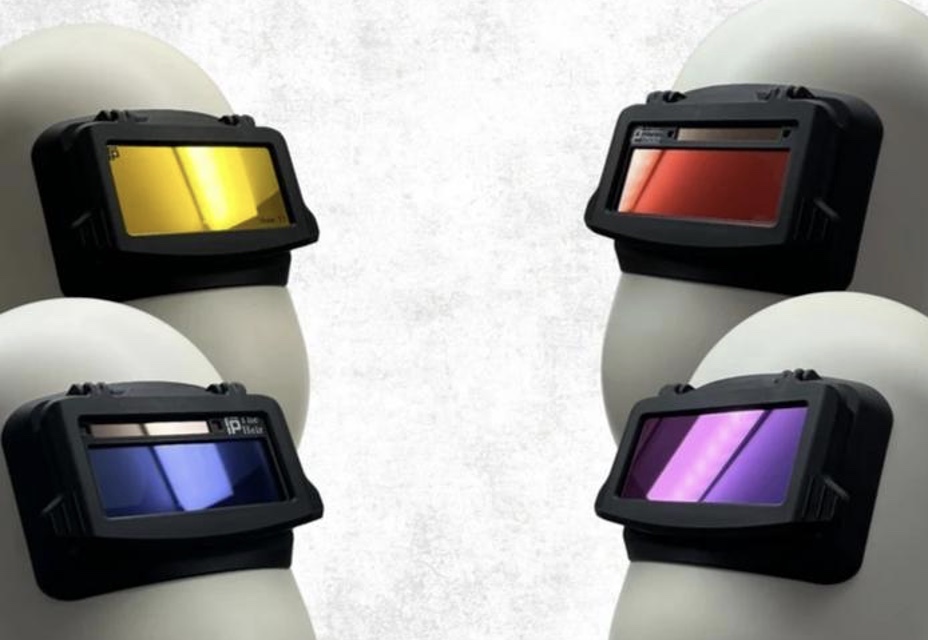
Ridge Products Welding, a brand built around specialized welding components, offers auto-darkening lenses in several shade ranges, along with color-filtered options such as gold, silver, and cobalt blue, designed for different lighting conditions and welder preferences.
For fabricators working on projects that require extended overhead or confined-space welding, hood style matters as much as lens quality. Pipeline-style hoods, like those from the Ridge Products Welding site, are built for welders who need a wider viewing angle and better peripheral awareness in tight positions.
Matching lens shade to the specific process, whether MIG, TIG, or stick welding, further reduces eye strain and helps maintain focus during longer home projects.
Rod Maintenance and Why Rod Ovens Matter for Consistency
Stick welding remains popular for home fabrication because of its portability and forgiving nature on dirtier or rustier metal. However, the quality of stick-welding rods degrades quickly when exposed to ambient humidity, especially low-hydrogen rods commonly used for structural work.
A rod oven addresses this problem directly. Storing rods at a consistent, controlled temperature keeps moisture from accumulating in the flux coating, which in turn reduces the risk of hydrogen-induced cracking in the finished weld. Fabricators who work on projects intermittently, rather than in a single continuous session, benefit most from this kind of storage, since rods left out between sessions absorb moisture faster than most people expect.
Rod ovens are not exclusive to industrial shops. Compact models designed for smaller quantities fit easily into a home garage setup, and using one consistently is a straightforward way to protect the investment already made in quality rod.
Workspace Setup and Ventilation for Precision Fabrication
Equipment quality only goes so far if the surrounding workspace works against it. Adequate lighting, in addition to a reliable lens, helps a fabricator judge puddle behavior and bead shape more accurately. Ventilation matters just as much, since fumes that accumulate in an enclosed garage can obscure vision and pose health risks over repeated sessions.
Workspace Factors Worth Checking
- Fixed Table Stability: A wobbling or uneven welding table introduces movement that affects bead alignment.
- Consistent Ground Clamp Placement: Poor grounding can cause arc instability that is often mistaken for equipment failure.
- Adequate Airflow and Extraction: Moving fumes away from the work area protects both visibility and long-term respiratory health.
None of these factors replace good technique, but they remove variables that make clean, repeatable results harder to achieve.
Common Equipment Mistakes That Compromise Weld Quality
Even experienced hobbyists fall into a few recurring habits that undercut otherwise solid technique.
Habits That Undercut Good Technique
- Ignoring Lens Scratches or Pitting: A pitted lens scatters light and distorts the operator’s view of the puddle, even when the shade setting is correct.
- Reusing Rods Left Out for Days: Rods stored outside a sealed container for extended periods often produce inconsistent arcs regardless of amperage settings.
- Choosing Comfort Over Coverage in a Helmet: A lighter helmet without adequate shielding can leave gaps in coverage in awkward welding positions.
Correcting these habits does not require a full equipment overhaul. Small adjustments, like inspecting a lens before each session or committing to proper rod storage, tend to produce noticeable improvements in weld appearance and structural integrity over time.
Conclusion
Clean, professional-looking welds on home fabrication projects rarely come down to talent alone. Visibility, rod condition, and workspace setup all interact with technique to determine the final result. Fabricators who treat their lenses, hoods, and rod storage as part of the actual welding process, rather than as peripheral accessories, tend to see fewer defects and more consistent results across projects.
For anyone planning a new fabrication project at home, a useful next step is auditing current equipment before work begins: check lens clarity, confirm helmet fit, and verify that rods have been stored properly. Small equipment upgrades made early in a project often prevent larger rework later, and that principle holds true whether the project is a simple repair or a more ambitious build.

