A 15-minute evening tidy-up routine is one of the most effective ways to maintain a consistently clean home without spending hours cleaning each week. Done daily, it prevents clutter from building up, resets your space before bed, and sets you up for a calmer, more productive morning. In this article, we’ll break down exactly how to structure those 15 minutes, what to prioritize, and what most people get wrong.

Can you keep your home clean with just 15 minutes of tidying each evening?
In most cases, yes. A 15-minute evening tidy-up routine is generally enough to maintain a clean home day to day, provided the routine is consistent. The key is focusing on high-impact areas rather than trying to clean everything at once.
Here’s what a basic 15-minute evening tidy-up typically covers:
- Minutes 1 to 3: Clear and wipe down kitchen counters; load or run the dishwasher
- Minutes 4 to 6: Quick sweep of the living room; return items to their designated spots
- Minutes 7 to 9: Clear any surfaces that attract clutter (entryway, dining table, coffee table)
- Minutes 10 to 12: Tidy the bathroom counter; replace towels if needed
- Minutes 13 to 15: Do a final walkthrough; put away anything out of place
The main factor here is consistency. One session will not transform your home, but 15 minutes every evening will.
Why an Evening Tidy-Up Works Better Than Morning Cleaning
Most people assume they’ll clean in the morning, but in practice, mornings tend to be rushed. An evening routine works better for several reasons.
It Prevents Accumulation
Daily tidying stops mess from compounding. A dish left in the sink overnight becomes two the next morning and five by the end of the week. Addressing clutter each evening keeps the baseline low, so there is never a major backlog to deal with.
It Reduces Decision Fatigue in the Morning
Waking up to a clean kitchen and tidy living space means fewer distractions and less mental load at the start of the day. Research in environmental psychology suggests that organized spaces support a clearer, calmer state of mind.
It Signals the End of the Day
A consistent tidy-up routine also functions as a psychological transition. Moving through the home with purpose before bed helps the brain shift from active mode to wind-down mode, which can support better sleep.
The 15-Minute Evening Tidy-Up Routine: Step by Step
This routine is designed to move efficiently through the main living areas of a home. The goal is not deep cleaning. The focus is resetting each space to a functional baseline.
Minutes 1 to 3: The Kitchen Reset
The kitchen is the highest-priority area in any evening routine. Start by clearing the counters, putting away any food or packaging, and loading dirty dishes into the dishwasher. If the dishwasher is clean, take 30 seconds to unload it so the next morning starts clear.
Wipe down the main counter surfaces with a damp cloth or cleaning spray. This does not need to be a thorough scrub. The goal is removing crumbs, grease, and visible mess so the kitchen feels clean.
Minutes 4 to 6: The Living Room Reset
Return cushions and throws to where they belong. Pick up any glasses, plates, books, or remote controls left on surfaces and return them to their home. Fold blankets. Straighten pillows.
This step tends to feel satisfying quickly because the visual impact is immediate. A tidy living room sets the tone for the rest of the walkthrough.
Minutes 7 to 9: Clutter Hotspots
Every home has surfaces that attract clutter. Common examples include the kitchen table, entryway console, coffee table, and stair landing. These areas need specific attention because clutter tends to migrate and settle here first.
A useful method is to carry a small basket through this phase. Place anything that does not belong in its current location into the basket, then redistribute items to their correct spots as you move through the house.
Minutes 10 to 12: The Bathroom Check
A full bathroom clean does not belong in this routine. The focus here is a quick reset. Wipe the sink and counter. Hang up any towels. Replace an empty toilet paper roll if needed. Close cabinet doors and straighten whatever is out.
This step takes under two minutes in most homes when done daily. It only feels like a longer task when it is skipped for several days.
Minutes 13 to 15: Final Walkthrough
Do a quick loop of the main living areas. Check floors for items that could be put away, close any drawers or doors left open, and do a final scan of surfaces. This is also a good moment to set up anything needed for the morning, such as a bag by the door or items on the kitchen counter.
End the walkthrough in a room that feels calm and finished. For many people, this is the bedroom.
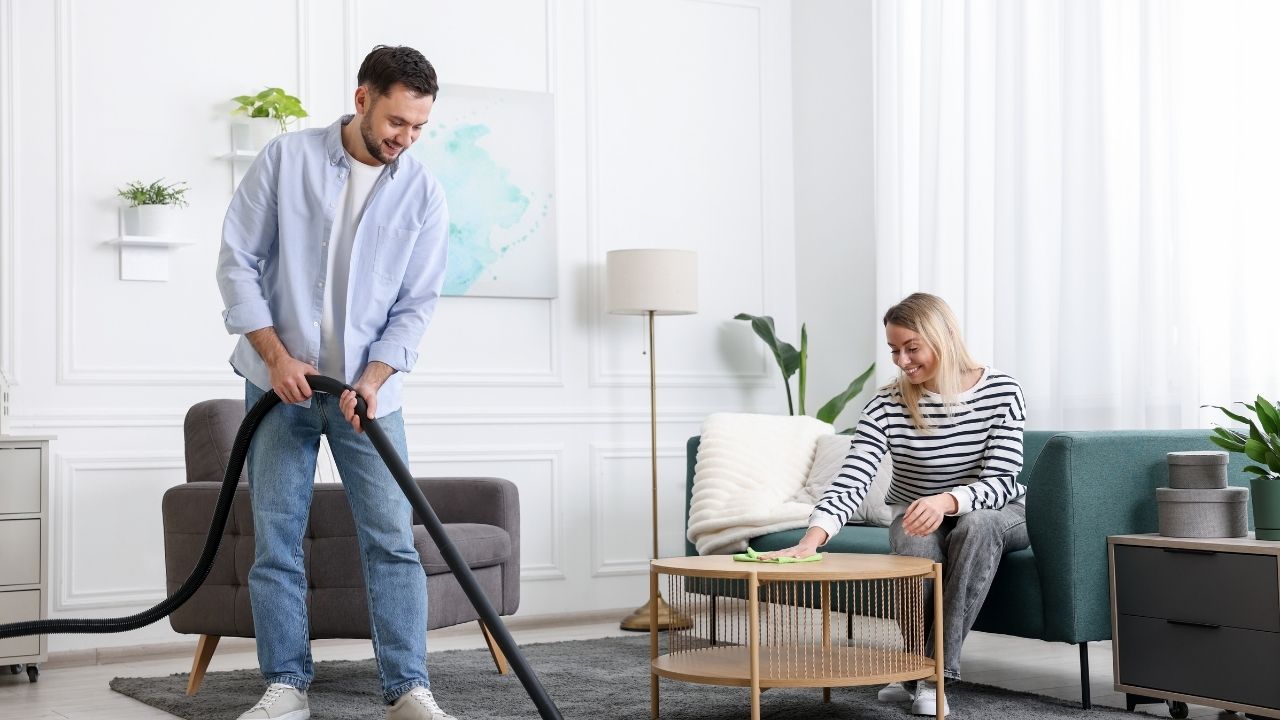
Key Factors That Affect How Long It Takes
The 15-minute timeframe works well under certain conditions. Several variables will influence how realistic it is for a given household.
Household Size
Larger households with more occupants generate more daily mess. A couple or single-person household can likely complete this routine in 10 to 12 minutes. Families with children may find that 15 minutes is a minimum rather than a maximum, particularly on busier days.
How Much Clutter Is Already Present
This routine is a maintenance system, not a reset from a heavily cluttered state. If a home has a significant existing clutter problem, the first priority is a dedicated decluttering session before a daily tidy-up routine can be effective. The less there is to put away, the faster the routine becomes.
Whether Everyone in the Household Participates
In shared households, the routine becomes significantly faster when each person is responsible for their own belongings. Assigning specific tasks by room or area distributes the workload and keeps the 15-minute window realistic.
The State of the Home at the Start of the Evening
A routine done after dinner every night will be quicker than one done after a particularly busy weekend day. The key factor here is minimizing mess throughout the day where possible. Small habits like rinsing dishes immediately, putting items back after use, and tidying as you go all reduce the amount left to handle in the evening.
Common Mistakes to Avoid
Trying to Deep Clean During the Tidy-Up
The 15-minute routine is a maintenance reset, not a full clean. Attempting to scrub the bathroom or mop the floors during this window leads to running over time, feeling frustrated, and eventually abandoning the habit. Deep cleaning tasks belong on a separate weekly schedule.
Skipping the Routine When the House Looks Fine
It may seem unnecessary to tidy when the house already looks reasonably clean. In practice, skipping even one or two sessions causes visible clutter to accumulate quickly. Consistency matters more than intensity. A short routine done every day is more effective than a longer session done occasionally.
Starting Without a System
Moving through the house without a clear sequence wastes time. Walking back to the kitchen after tidying the bedroom, or getting distracted by a task in one room while another area waits, eats into the 15 minutes quickly. A consistent room order removes the decision-making and keeps the routine moving.
Expecting Instant Results
This routine works over time, not overnight. The benefit becomes apparent after a week or two of consistent practice, when the home maintains a noticeably cleaner baseline without any single session feeling like a significant effort.
Doing It Too Late in the Evening
Leaving the tidy-up until immediately before bed often results in rushing through it or skipping it entirely. In most cases, the routine works best after dinner and before the household fully winds down for the night.
One Last Thing
The 15-minute evening tidy-up routine works because it addresses mess before it has a chance to compound. It is not about achieving a perfect home. It is about maintaining a consistent baseline that makes daily life easier and mornings less stressful.
The key takeaway is this: small, repeated actions are more effective than occasional large efforts. A 15-minute routine done consistently each evening is generally enough to keep a home clean without relying on weekend cleaning sessions or feeling overwhelmed by the state of the space.
Start with the kitchen. Keep a consistent room order. Do it daily. The results compound quickly.