Families rarely judge assisted living by decor alone. Daily function matters more because comfort, cognition, hydration, sleep, and mobility depend on ordinary routines done well. A strong community shows its standards in quiet ways, such as calm medication support, steady meal service, and respectful assistance with bathing or dressing. Those details shape health, confidence, and emotional security. Care quality becomes visible when residents appear settled, engaged, and physically supported throughout the day.

Care That Fits
Reliable assisted living begins with an honest match between resident needs and caregiver support. Families reviewing assisted living in North Ogden often look past appearance and ask harder questions about transfer help, medication timing, continence care, fall prevention, and personal choice. That approach makes sense because older adults usually do best when assistance protects function without erasing routine, privacy, or familiar habits built over many years.
Staff Presence
Staff conduct tells families more than any brochure can. Residents benefit when caregivers respond promptly, speak patiently, and notice subtle changes in appetite, gait, mood, or alertness. Small shifts often precede larger clinical concerns. Familiar team members also reduce stress, because trust grows faster when older adults see the same faces each day.
Daily Contact
Brief contact carries real clinical value. Conversation during meals, hallway greetings, and help before activities can reveal fatigue, dizziness, poor intake, or social withdrawal. Early observation supports faster response. That steady attentiveness usually reflects sound supervision and clear expectations across the team.
Safety Without Strain
A safe setting should lower risk without making life feel controlled. Wide paths, bright lighting, handrails, accessible bathrooms, and reliable call systems help reduce falls and delayed response. Solid design also supports orientation for residents with memory loss. Protection works best when it feels natural within daily movement, rather than restrictive or cold.
Meals With Purpose
Dining often exposes the true quality of care. Older adults need protein, fiber, fluids, and a balanced sodium intake to support muscle strength, bowel regularity, and stable energy levels. Pleasant mealtimes also reduce loneliness. Communities that respect chewing limits, swallowing concerns, and food preferences usually support better nutrition and a calmer daily rhythm.
Activities That Matter
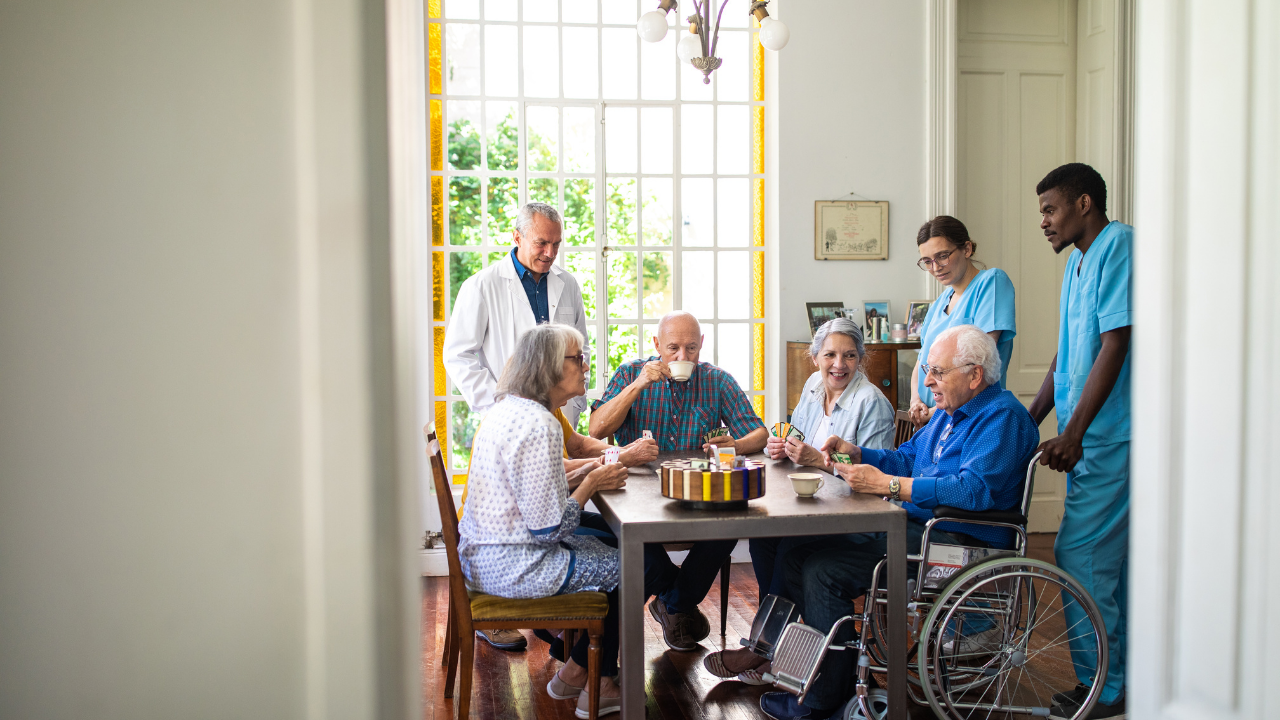
A busy calendar means little without purpose. Useful programs support circulation, balance, memory, dexterity, and social contact through movement classes, music, crafts, discussion groups, or supervised outings. Residents respond best when options match actual interests and stamina. Meaningful activity helps preserve identity, which can matter as much as physical assistance.
Living Space
Private rooms should support safe movement and personal routine. Clear layouts, accessible showers, steady lighting, and space for familiar belongings can reduce confusion and physical strain. Comfort matters, yet function matters more. A well-planned apartment helps residents dress, rest, and move about with less effort and fewer hazards.
Cleanliness And Upkeep
Clean surroundings affect health, dignity, and peace of mind. Floors, bathrooms, dining rooms, and shared furniture should remain sanitary, odor-controlled, and promptly maintained. Delayed repairs can raise fall risk or add unnecessary stress. Reliable housekeeping shows respect for residents whose immune strength, balance, or respiratory tolerance may already be reduced.
Family Confidence
Relatives usually judge quality through communication. They want clear updates, direct answers, and evidence that concerns receive timely follow-up. Honest discussion matters when health status changes, appetite declines, or mobility worsens. Confidence grows when families can see that resident welfare guides decisions, rather than convenience or routine alone.
Signs During A Visit
An in-person visit reveals patterns that marketing cannot hide. Families can watch whether residents look groomed, whether staff use names, and whether common areas feel calm during normal hours. They can ask about response times, transportation, medication oversight, and weekend coverage. Repeated observations usually provide the clearest picture of daily care.
Conclusion
A quality assisted living community stands apart through consistent caregiving, practical safety, sound nutrition, and respectful human contact. Families learn the most by watching ordinary interactions, rather than polished presentations. When residents receive appropriate help while maintaining dignity, preferences, and routines, health tends to stabilize, and stress often declines. That combination of observation, support, and trust is what separates a dependable residence from one that simply looks appealing at first glance.