Beauty Archives - RoutineBase

A Beginner’s Guide to Understanding the Growing Peptide Wellness Market

The peptide wellness market has grown significantly in recent years, attracting attention from people interested in skincare, healthy aging, fitness, and emerging health trends. Peptides are increasingly mentioned in wellness discussions, product descriptions, and scientific conversations, making them a topic many beginners are curious to explore.

However, the growing popularity of peptides has also made the market more complex. With many different products, suppliers, and claims available online, understanding the basics can help people approach the topic with better awareness.

Before exploring peptide products, it is important to understand what peptides are, why they are being studied, and what factors people should consider when researching suppliers and available options.

peptide

What Are Peptides?

Peptides are short chains of amino acids, which are the building blocks of proteins. The human body naturally produces many peptides that play different roles in biological processes, including communication between cells.

Because of their ability to interact with specific biological pathways, peptides have become an area of interest in scientific research. Researchers study different peptides to better understand their functions and possible applications in medicine, biotechnology, and other fields.

It is important to remember that peptides are not one single type of ingredient. Different peptides have different structures and properties, which means their effects and research background can vary significantly.

Why Is the Peptide Wellness Market Growing?

Several factors have contributed to the increasing interest in peptides. One major factor is the broader movement toward personalized wellness.

Many people are looking for products that fit specific goals rather than general solutions. This has increased interest in targeted ingredients and technologies that are supported by scientific research.

Peptides have also gained visibility through skincare and beauty products. Some peptide-based products are promoted around skin appearance, hydration, and healthy aging, which has helped introduce the concept to a wider audience.

Another reason for their popularity is the connection between peptides and scientific research. Since peptides are studied in laboratories and medical fields, they often attract people who are interested in science-based wellness approaches.

Understanding Different Types of Peptide Products

For beginners, one of the most important things to understand is that not all peptide products are the same.

Some peptides are used as ingredients in cosmetic products, while others are studied in research settings. Their purpose, formulation, and available evidence can differ significantly.

When exploring the peptide wellness market, it is useful to look beyond general statements and focus on specific details, including:

The Type of Peptide

Different peptides have different structures and research backgrounds. Understanding the specific peptide being discussed provides more useful information than simply looking at the broader category.

Available Research

Scientific studies can help explain how a peptide has been investigated and what is currently understood about its characteristics.

Product Information

Clear information about ingredients, formulation, and handling can help people better understand what they are considering.

How Beginners Can Research Peptide Suppliers

As the peptide market expands, more suppliers are becoming available. This makes supplier research an important part of understanding the industry.

A reliable research process usually involves looking at several factors rather than focusing only on product availability.

Review Available Information

A supplier should provide clear details about the products it offers. Information about ingredients, specifications, and related documentation can help people better understand what they are researching.

For beginners exploring peptide-related resources, websites such as www.bluumpeptides.com can be part of the research process by providing access to information about available peptide products and related materials.

Consider Transparency

Transparency is another important factor when evaluating suppliers. Clear communication, accessible product information, and straightforward explanations help people better understand their options.

A supplier that provides detailed information allows customers to make decisions based on more than simple marketing messages.

Compare Different Sources

Comparing different suppliers can help beginners understand how companies present their products and information.

For example, people researching peptide sources may compare companies such as Evolve Peptides alongside other providers to review differences in product presentation, available resources, and overall approach.

Common Mistakes Beginners Should Avoid

Because peptides have become a popular wellness topic, it is easy to encounter exaggerated claims or incomplete information.

One common mistake is assuming that all peptides provide the same benefits. In reality, each peptide needs to be evaluated individually based on available research and intended use.

Another mistake is focusing only on promotional language. Scientific terminology can make a product sound more advanced, but it is still important to review the details behind the claims.

Beginners should also avoid making decisions without understanding what type of product they are researching. Cosmetic ingredients, research compounds, and medical products may have very different purposes and standards.

The Importance of Understanding Quality and Documentation

Quality information is a key part of the peptide market. Whether someone is researching a product for general knowledge or comparing different suppliers, documentation can provide useful context.

Details such as ingredient information, testing data, and storage recommendations can help people better understand the products they encounter.

This is especially important because the peptide market includes many different types of products. Clear information allows people to distinguish between well-documented offerings and those with limited details.

peptide

How the Peptide Market May Continue to Develop

The peptide wellness market is likely to continue evolving as scientific research advances and consumer interest grows.

Future developments may include new research findings, improved formulations, and greater demand for transparency from suppliers. As consumers become more knowledgeable, they are also likely to ask more detailed questions about the products they consider.

The continued growth of the market will depend not only on innovation but also on education. Helping people understand what peptides are and how to evaluate information will remain an important part of the industry.

Final Thoughts

The peptide wellness market can seem complicated for beginners, but understanding the basics makes it easier to navigate. Learning what peptides are, how they are studied, and what fact

What to Look for When Choosing a Qualified Plastic and Reconstructive Surgeon

Choosing a surgeon for plastic or reconstructive surgery needs more than just looking at before-and-after photos or searching for the nearest clinic. You have to think about training, specialist credentials, surgical experience, communication and ongoing care too. These things can affect the safety and quality of your experience. If you look into these areas, you can feel good about your decision and not just rely on marketing.

plastic surgeon

Start With Specialist Credentials

If you are looking into leading plastic surgery in cairns, one of the first things you should check is if the surgeon has been properly trained as a specialist plastic and reconstructive surgeon. In Australia, the FRACS (Plast) is given to those who are part of the Royal Australasian College of Surgeons in Plastic and Reconstructive Surgery. Another thing to look at is whether they are registered as a specialist with AHPRA. This is also an important step to take.

A surgeon’s qualifications should be supported by:

  • Recognised specialist training
  • The right professional registration
  • Surgical experience that fits
  • Ongoing learning and development in the job
  • Experience with the exact surgery you are thinking about

Experience Should Match Your Procedure

Plastic surgery has many types of treatments. It includes breast and body surgery, skin cancer treatment, and rebuilding parts of the body. A surgeon’s overall results are important. But it is also important that they have experience with the type of work you need.

For example, if you are thinking about breast surgery, you may want to ask the surgeon about how much practice he or she has with jobs like breast enlargement, lifts, reducing size, taking out implants, or fixing earlier work. Patients who think about changing their body shape may need to find someone good with things like tummy tucks, body lifts, or arm lifts.

Look Beyond the Before-and-After Gallery

Photographs can show the work that a surgeon has done before. But these photos should not be the only thing you look at when you decide. Your body, how you heal, your genes and some other things make each person different. One patient’s result will not be the same for you.

During your meeting, ask the surgeon how he or she will handle your needs and if the result you want can really happen. A good specialist will talk about what may not be possible, instead of saying you will get a certain result.

Compare the Patient Journey

Good care is more than what happens in the operating room. You have to think about how the practice talks with you before surgery. Look at how they help you get ready, set up the surgery, and check on you after it is over.

Factor What to Assess Why It Matters
Credentials Specialist qualifications and registration Establishes professional training
Experience Relevant procedure history Supports informed surgical planning
Consultation Clear, personalised discussion Helps establish realistic expectations
Facilities Appropriate accredited hospital setting Supports surgical safety
Aftercare Accessible follow-up support Helps monitor recovery

A clear care plan is important for people who travel to Cairns from different parts of Far North Queensland. Dr Hertess’s Cairns service offers local visits with the doctor, and the surgery can be done in Cairns or set up through the Gold Coast. Where the surgery happens will depend on what you need done.

plastic surgery

Pay Attention to Communication

A good consultation is like a talk that goes both ways. The surgeon will need to know your goals, your health history, and what you feel worried about. This will help the surgeon suggest a plan that works for you.

Useful questions include:

  • What is the best way for my body?
  • What other choices should I think about?
  • What risks should I know?
  • What will happen while I get better?
  • Where will surgery happen?
  • How will care after my visit be handled?

Honest answers matter more than saying things will always be perfect.

FAQs

What qualification should I look for in Australia?

You should look for a specialist plastic and reconstructive surgeon who is fully registered as a specialist and has a well-known fellowship like FRACS (Plast).

Should I have more than one consultation?

Talking to more than one qualified surgeon can help you see different ways of doing things. You will notice how each one talks and gives advice. This can help you make a good choice before you decide.

Does experience matter for revision surgery?

Yes. Revision procedures can be more complex and may need more careful planning than first-time surgery.

Is postoperative care important?

Yes, follow-up is important. It helps the surgical team check healing, answer your questions, and give support as you get better.

Conclusion

Choosing a plastic and reconstructive surgeon is a big step. You should take the time to do your research. The doctor’s credentials, experience, surgical center, the way they talk with you, and after-surgery support—all these things matter. Do not pick your surgeon just because of ads or looks. If you want leading plastic surgery in cairns, you need to make sure they have specialist training, can give personal care, and that you understand every part of the surgery process.


How to Build a Skincare Routine for Skin With Acne Scars

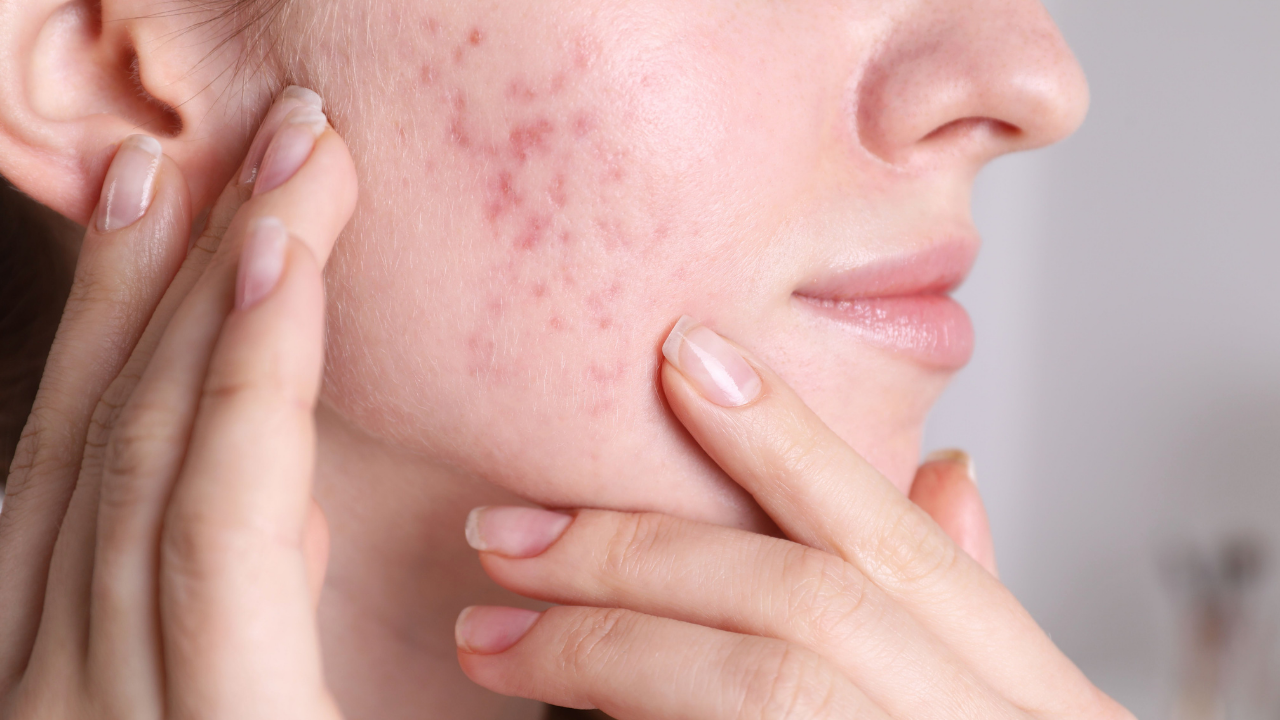
Clearing up active breakouts feels like a win, but the marks they leave behind can linger for months or even years. A routine built around acne scars needs to do more than target blemishes. It should keep the barrier healthy, prevent new breakouts from forming, and work gradually toward a more even tone and texture.

Different types of scarring respond to different approaches, so patience and consistency matter far more than chasing the latest trending product. For more persistent concerns, professional treatments can complement a solid home routine rather than replace it.

acne scarring

Start by Understanding What You’re Treating

Not every post-acne mark is the same thing, and treating them as if they were leads to frustration. Flat red or brown spots left after a pimple heals are called post-inflammatory hyperpigmentation, and they are not technically scars. They tend to fade on their own, though that process can be slow. True scarring involves a change in the skin’s structure. That distinction matters.

The most common concerns include:

  • Dark or red marks that remain after a breakout resolves
  • Depressed or indented scars, such as icepick, boxcar, or rolling types
  • Raised or thickened scars, which form when the body produces excess tissue
  • Uneven texture that makes the surface of the skin look rough or bumpy

Knowing which of these is the main concern shapes everything else: the products chosen, the ingredients prioritized, and whether professional treatment makes sense. A routine designed for surface discoloration looks very different from one addressing deep, structural scarring.

A 2023 meta-analysis published in Skin Research and Technology found that the pooled prevalence of acne scars across nearly 25,000 patients was 47%, meaning nearly half of people dealing with acne will face some degree of scarring. That figure underscores how common this concern is and why a thoughtful, targeted approach matters.

Keep Your Daily Routine Simple and Consistent

Layering too many active products at once is one of the most common mistakes people make when addressing acne-related marks. Irritated skin does not heal well, and disrupting the barrier slows progress rather than speeding it up. Less, done consistently, wins.

Morning Routine

A gentle, non-stripping cleanser sets the tone for the day. Follow it with a lightweight moisturizer that supports the barrier without clogging pores, then finish with a broad-spectrum SPF 30 or higher. That three-step foundation is enough for most mornings.

Evening Routine

The evening is a better window for active ingredients. Cleanse again, apply one targeted treatment, and seal everything with a moisturizer. Two active products in the evening is the upper limit for most people, and starting with just one is smarter.

Consistency over weeks and months produces results. Switching products every two weeks because progress feels slow resets the clock and makes it harder to know what is actually working.

Choose Ingredients That Support Your Skin

The right ingredient depends on the specific concern. No single active does everything, and more is not better.

Niacinamide

Niacinamide supports the skin barrier and can improve the look of uneven tone over time. It plays well with most other ingredients and is a good starting point for people new to actives.

Retinoids

Retinoids encourage cell turnover and help manage active acne at the same time. They take weeks to show results and require a slow introduction to avoid irritation, but they are one of the more well-supported options for texture and discoloration.

Salicylic Acid

Salicylic acid works inside the pore, making it useful for people who still experience regular breakouts alongside their scarring. It also offers mild exfoliation at the surface level.

Azelaic Acid

Azelaic acid addresses both active acne and the discoloration that follows. It is generally well-tolerated and a practical choice for people with sensitive or reactive skin.

Add one product at a time, give it several weeks before introducing anything new, and pay attention to how the skin responds. A streamlined routine with two or three well-chosen products consistently outperforms a complicated one.

acne scarring

Know When Your Routine May Need Professional Help

Topical products work at the surface. They can fade marks, smooth mild texture irregularities, and keep the skin in good condition for healing. What they cannot do is restructure collagen or significantly alter the depth of an indented scar. That is where professional treatments become relevant.

Chemical Peels

Chemical peels use an acid solution to remove the outer layers of skin and prompt new cell growth. Depending on the depth and formulation, they can address surface discoloration, mild texture concerns, and some shallower scarring. Chemical peels range from superficial to deep, and the right choice depends on the type of scarring and your skin characteristics.

Microneedling

Microneedling uses fine needles to create controlled micro-injuries in the skin, stimulating collagen production over time. It is commonly used for depressed, atrophic scars and generally requires a series of sessions to see meaningful improvement.

Laser Treatments

Laser options vary widely in terms of depth, downtime, and suitability for different skin tones. Some target pigmentation, others target texture. A qualified provider can assess which approach fits the specific type of scarring involved.

Facials and Exfoliating Treatments

For general maintenance and mild surface concerns, professional facials or enzyme treatments can support the overall health of the skin without the recovery time of more intensive procedures.

Not every treatment suits every person. The type and severity of scarring, skin tone, and overall skin health all factor into what a provider will recommend. Any resurfacing or exfoliating procedure should be performed by a licensed professional.

Be Careful With Exfoliation

Exfoliation helps remove dead cells from the surface and can improve the look of uneven texture, but too much causes more harm than good. Physical scrubs with abrasive particles can create micro-tears and worsen inflammation. Chemical exfoliants, like AHAs and BHAs, are generally gentler when used correctly.


The problem is that people dealing with acne scars sometimes layer multiple exfoliating products because they want faster results. Using a salicylic acid cleanser, a glycolic acid toner, and a retinoid in the same routine strips the barrier and leaves the skin reactive and red. That state makes it harder to stay consistent with anything.

Introduce one exfoliating product at a time, use it a few times a week rather than daily, and give the skin time to adjust before adding anything else.

Avoid Picking and Prevent New Breakouts

Every new breakout is an opportunity for another mark. Managing active acne is not separate from managing scarring. It is part of the same process. Picking, squeezing, or repeatedly touching blemishes extends inflammation and significantly increases the likelihood of leaving a scar behind.

Keeping pillowcases, makeup brushes, and anything that regularly contacts the face clean removes a common source of bacteria and irritation. Changing pillowcases twice a week is a small habit that adds up. The goal is to reduce the frequency and severity of new breakouts so the skin has a chance to recover and the routine can do its job.

Give Your Routine Time to Work

Effective therapy early in the course of acne is important for reducing scarring, but even with the right approach in place, improvement in discoloration and texture takes time. Most active ingredients need at least eight to twelve weeks of consistent use before meaningful changes become visible. Progress is slow and that is normal.

Taking a photo every two to three weeks under consistent lighting is a more reliable way to track progress than inspecting the skin daily. Day-to-day variation in lighting, hydration, and hormones makes gradual improvement hard to see in real time.

If persistent irritation develops, scaling back is smarter than pushing through. A compromised barrier heals slowly, and continuing to layer actives on top of reactive skin delays recovery. When acne is painful, scarring is significant, or nothing seems to be improving after several months, a dermatologist visit is worth prioritizing. Some concerns genuinely need prescription-level treatment.

The Bottom Line

The most effective skincare routine is one that gets used every day. Identify the main concern, keep the approach gentle and consistent, introduce targeted ingredients one at a time, and make SPF a daily habit. When topical care reaches its limits, professional treatments can fill the gap.


Improving the appearance of acne scars is a gradual process, and no single product or procedure changes the skin overnight. A steady, informed approach over time is what actually moves the needle.

Dermalogica for Oily Skin: Building a Balanced Skincare Routine

Are you tired of battling oily skin that seems to have a mind of its own? You’re not alone! Many people struggle with excess shine, clogged pores, and the dreaded breakouts that often come hand in hand. But what if we told you there’s a solution designed just for your unique skin type? Enter Dermalogica, a brand renowned for its professional-grade formulations and personalized skincare solutions. 

In this post, we’ll guide you through building a balanced skincare routine tailored specifically for oily skin using Dermalogica products. Say goodbye to greasy dilemmas and hello to a fresh, radiant complexion! Let’s dive into the world of targeted treatments and discover how to achieve that coveted balance every oil-prone face craves.

skincare routine

Understanding Oily Skin

Before we dive into the specifics of oily skin care, it’s important to understand exactly what we’re dealing with. Oily skin is characterized by an overproduction of sebum—the natural oil that keeps our skin hydrated and protected. While sebum is essential for healthy skin, excess oil can lead to a range of issues such as clogged pores, acne, and an overall greasy appearance. 

Oily skin is typically genetic, but it can also be triggered by factors such as hormones, diet, and stress. It’s also worth noting that oily skin can vary in severity, with some individuals experiencing mild oiliness while others struggle with more severe cases. The key to managing oily skin is to strike the right balance between controlling excess oil and maintaining hydration to keep your skin healthy and happy.

Step-By-Step Guide to Building a Balanced Skincare Routine with Dermalogica

Now that we have a better understanding of oily skin, let’s dive into the specifics of building a balanced Dermalogica skincare routine. We’ve broken it down into simple steps to make the process as easy and effective as possible. 

Cleanse

The first step to any good skincare routine is cleansing. When it comes to oily skin, it’s important to choose a cleanser that will effectively remove excess oil without stripping the skin of its natural moisture. Dermalogica’s Dermal Clay Cleanser is the perfect solution for oily skin as it contains kaolin and green clays to absorb excess oil, while sambucus, ivy, and lemon extracts help to purify and refine the skin. Apply a small amount to damp skin and massage in circular motions before rinsing off with warm water. 

Tone

Toning is an important step in any skincare routine as it helps to balance the skin’s pH levels and prepare the skin for further treatment. Dermalogica’s Multi-Active Toner is ideal for oily skin types as it contains a light, refreshing formula that helps to control excess oil and soothe the skin. Simply spritz onto the face after cleansing or throughout the day for an instant refresh. 

Exfoliate

Exfoliating is essential for removing dead skin cells and unclogging pores, which is especially important for oily skin. Dermalogica’s Daily Microfoliant is a gentle exfoliating powder that contains salicylic acid to help clear out pores and rice enzymes to brighten the skin. Simply mix a small amount with water to create a paste and massage onto the face in circular motions before rinsing off. Use 2-3 times a week for best results. 

skincare routine

Treat

Serums are an essential step in any skincare routine as they contain concentrated ingredients that target specific skin concerns. For oily skin, we recommend Dermalogica’s Breakout Control. This lightweight serum contains salicylic acid to help clear breakouts and niacinamide to reduce redness and inflammation. Apply a small amount to the affected areas after cleansing and toning. 

Moisturize

Moisturizing is important for all skin types, including oily skin. The key is to choose a lightweight, oil-free moisturizer that won’t clog pores or leave you feeling greasy. Dermalogica’s Active Moist is a great option as it contains a blend of botanical extracts to hydrate and balance the skin. Apply a small amount to the face and neck after cleansing and treating.

Conclusion 

With the right products and a consistent routine, managing oily skin can be easy and effective. Remember to listen to your skin and adjust your routine as needed, and always consult with a skincare professional if you have any concerns. Dermalogica offers a range of products specifically designed for oily skin, so you can trust that your skin will be in good hands.

How to Create a Sustainable Beauty and Wellness Routine Year-Round

It’s easy to make an effort knowing that summer is just around the corner. However, winter doesn’t have the same effect on beauty and wellness routines. We get comfortable and less motivated to keep up the good habits we formed in spring. Fortunately, practitioners such as Laser and Electrolysis by Aleya can help you create a sustainable beauty and wellness routine that will see you through the year.

What is a Sustainable Beauty and Wellness Routine?

You can approach sustainability in two ways. Either sustainability in the way you carry out your routine, or regarding how it affects the environment around us. Both forms of sustainability are required in creating a beauty and wellness routine that will go the distance. If it is a difficult habit to keep long-term or the manufacture of the products negatively impacts nature, then you need to rethink your routine.

The Ingredients for a Sustainable Beauty and Wellness Routine

Let’s start from scratch, as devising a sustainable beauty and wellness routine can be overwhelming enough. Here are the basic elements that should help you form a regimen you can stick to and won’t feel guilty over.

Start simple

Forget about twelve-step skincare routines and consulting the periodic table when buying new products. Instead, keep it simple and break down your beauty and wellness routine into key elements. For skincare, focus on the products that suit your skin type and, if you have certain skin conditions, are designed specially for them. Also, don’t chase the latest trend. The same goes for haircare. Favor natural ingredients you can trust rather than long ingredient lists full of confusing chemicals.

Think long-term

The words sustainability and long-term go hand in hand. If a beauty or wellness habit is to go the distance, then it needs to be achievable and fit in with your lifestyle. There’s no point getting a pilates studio membership when the classes clash with school pick-up or demanding work schedules. Try to come up with an alternative that doesn’t add to your stress levels. For example, online classes or creating a home gym.

Seasonal skincare and other routines

The weather can have a significant effect on what skincare products we use. In summer, a light moisturizer with a high SPF is a must, whereas winter demands rich balms and serums. You may also enjoy going hair-free during the summer months. However, this requires proper preparation beforehand. Booking your laser hair removal sessions in the winter means that by summer, you’ll have smooth, beach-ready skin. It’s all about planning ahead.

Always choose quality over quantity

Have you ever noticed that a pea-sized amount of a high-quality beauty product has a much more intense effect than a cheaper dupe? This is because quality products usually have a more expensive price tag for a reason. It’s an investment.

The same goes for beauty and wellness treatments. If you invest in regular facials, massages, and multiple hair removal sessions, you are likely to see a difference. Buying cheaper products or choosing at-home treatments may seem like affordable options, but you may end up spending more in the long run on wax strips, razors, face masks, and all kinds of unverified beauty and wellness gadgets.

Bigger picture sustainability

Then there’s the sustainability element that affects the environment around us. Think about how many disposable razors you’ve used in your lifetime and where they’ve ended up. Most likely in a landfill. Also, all the depilatory creams that are washed down the plug hole. These toxic chemicals can enter our water supply.

Now this doesn’t mean you have to give up your skincare, makeup, and haircare routines. Just tweak them a little to benefit both you and the environment. By swapping out your temporary hair removal methods for more permanent solutions, you could be doing your bit for the preservation of our planet.

Professionals you can trust

Nothing derails a beauty and wellness routine more than a bad experience with a so-called salon professional. Leaving the salon unhappy with a treatment, minus an eyebrow, or worse, injured, would likely result in an individual not wanting to try again elsewhere.

That’s why it’s so important that when trying out a new beauty treatment or wellness experience, you go to certified and reputable practitioners. To find these, check out their websites and look for industry awards and testimonials full of praise. Going to a salon without doing your research first is a rookie mistake and could cost you.

Sustainable beauty and wellness routines are built on smart choices and maintaining consistency in the long-term. Making impulsive, ill-informed decisions is not the way forward if you want wellness habits that last you a lifetime. Similarly, seeking advice from those in the know will set you on the right path toward any sustainable practice in your life.

How Sculptra Helps Reduce Facial Wrinkles and Folds (Anti-Aging Routine)

Facial wrinkles and folds rarely come down to one simple cause. Yes, repeated expression plays a part, but so do collagen loss, thinning skin, and the gradual shift in facial volume that happens with age. That is why some lines seem to deepen even when your skincare routine is solid and your lifestyle is relatively healthy.

Sculptra has become an important option in this conversation because it approaches ageing differently from traditional fillers. Rather than simply filling a crease, it works by encouraging the skin’s own structural support system to rebuild over time. For people who want a softer, more gradual improvement in facial folds, that distinction matters.

sculptra

Why Wrinkles and Folds Become More Noticeable

Volume loss is often the real issue

When most people look at nasolabial folds or marionette lines, they focus on the line itself. In practice, the deeper problem is often around it. As collagen declines and the fat pads of the face shift, the skin loses support. Cheeks flatten, temples hollow, and the lower face can start to look heavier. The result is not just a wrinkle, but a change in contour.

That is why treating only the surface sometimes produces underwhelming results. A line may appear less obvious for a while, but if the surrounding tissue still lacks structure, the face can continue to look tired or drawn.

Sculptra is designed with that broader picture in mind. Instead of acting like a simple space-filler, it supports gradual collagen renewal, helping improve the framework beneath the skin. That can soften folds in a way that looks more integrated with the rest of the face.

How Sculptra Works Differently

It stimulates collagen rather than masking a crease

Sculptra is made with poly-L-lactic acid, a biostimulatory substance used to trigger collagen production over time. After treatment, the product is gradually absorbed, but the collagen response it creates can help restore some of the skin’s lost support.

This is why results are not immediate in the same way they are with many hyaluronic acid fillers. The goal is not a sudden change. It is progressive improvement. Skin can begin to look firmer, folds can appear less etched, and the face may regain a little of the softness and structure that tends to fade with age.

For anyone researching the science behind a collagen stimulation injectable treatment, this mechanism is the key point to understand. Sculptra is less about “plumping a line” and more about rebuilding support where the ageing process has reduced it.

Subtlety is part of the appeal

One reason Sculptra appeals to both patients and practitioners is that it tends to create understated change. Instead of looking obviously “done,” the face usually appears gradually fresher over a series of weeks and sessions. Friends may notice that someone looks less tired or more rested without being able to pinpoint why.

That subtlety makes it especially useful for people who are wary of overly full results. It can also be a smart approach when facial ageing is diffuse, involving multiple areas rather than one isolated line.

Which Wrinkles and Folds Can It Help Improve?

Common treatment areas

Sculptra is often used to improve:

  • Nasolabial folds, which run from the sides of the nose to the corners of the mouth
  • Marionette lines, which extend downward from the mouth
  • Hollow or flattened cheeks
  • Temple volume loss
  • General facial laxity linked to collagen depletion

The logic is straightforward. When volume and collagen are restored in strategic areas, the face gains better support overall. That support can reduce the appearance of folds indirectly, which often looks more natural than treating the fold alone.

That said, Sculptra is not the best solution for every type of line. Very fine superficial wrinkles, for example, may respond better to other approaches such as skin resurfacing, neuromodulators, or skin-quality treatments. A skilled injector will look at whether the issue is caused mainly by movement, texture, or structural loss before recommending a plan.

What to Expect From Treatment

Results take time

This is not a one-appointment transformation. Most patients need a course of treatments spaced out over several weeks or months, depending on age, anatomy, and treatment goals. Improvement appears gradually as collagen forms, so patience is part of the process.

That slower timeline is actually one of Sculptra’s strengths. It allows changes to develop in a way that feels organic. Rather than suddenly seeing a different face in the mirror, patients usually notice a steady softening of shadows, hollows, and deeper folds.

Longevity can be impressive

Because Sculptra works through collagen stimulation, its effects often last longer than many conventional filler treatments. While individual results vary, the improvement can continue well beyond the initial treatment course. For people thinking about long-term facial rejuvenation rather than quick fixes, that makes it a compelling option.

Of course, longevity depends on factors like age, metabolism, skin condition, and treatment technique. It also depends on realistic expectations. Sculptra can improve wrinkles and folds, but it does not stop ageing, and it is not a substitute for surgical lifting where significant sagging is present.

sculptra skincare

Who Is a Good Candidate?

The best fit is often someone noticing structural ageing

Sculptra tends to suit people who are beginning to see facial deflation, deeper folds, or a general loss of firmness. It can be particularly effective when the face looks older because it has lost support, not simply because one line has formed.

The best candidates usually value natural-looking results and are comfortable with the idea of gradual change. If someone wants immediate correction before a major event next week, another treatment may be more appropriate. If they want steady, subtle rejuvenation that addresses underlying collagen loss, Sculptra often makes more sense.

As always, treatment should be carried out by an experienced medical professional who understands facial anatomy and can judge whether Sculptra, another injectable, or a combination approach is the safest and most effective option.

A Smarter Way to Think About Facial Ageing

The real value of Sculptra lies in how it reframes wrinkle treatment. Instead of chasing lines one by one, it addresses the structural decline that makes those lines more visible in the first place. That is a more nuanced way of treating facial ageing, and in many cases, a more effective one too.

Wrinkles and folds do not exist in isolation. They reflect what is happening in the deeper architecture of the face. By supporting collagen renewal, Sculptra helps improve that architecture gradually, which can lead to softer folds, better contour, and a result that looks believable rather than artificial.

For patients who want natural rejuvenation and practitioners who prioritise facial balance, that is exactly why Sculptra remains such a relevant treatment.


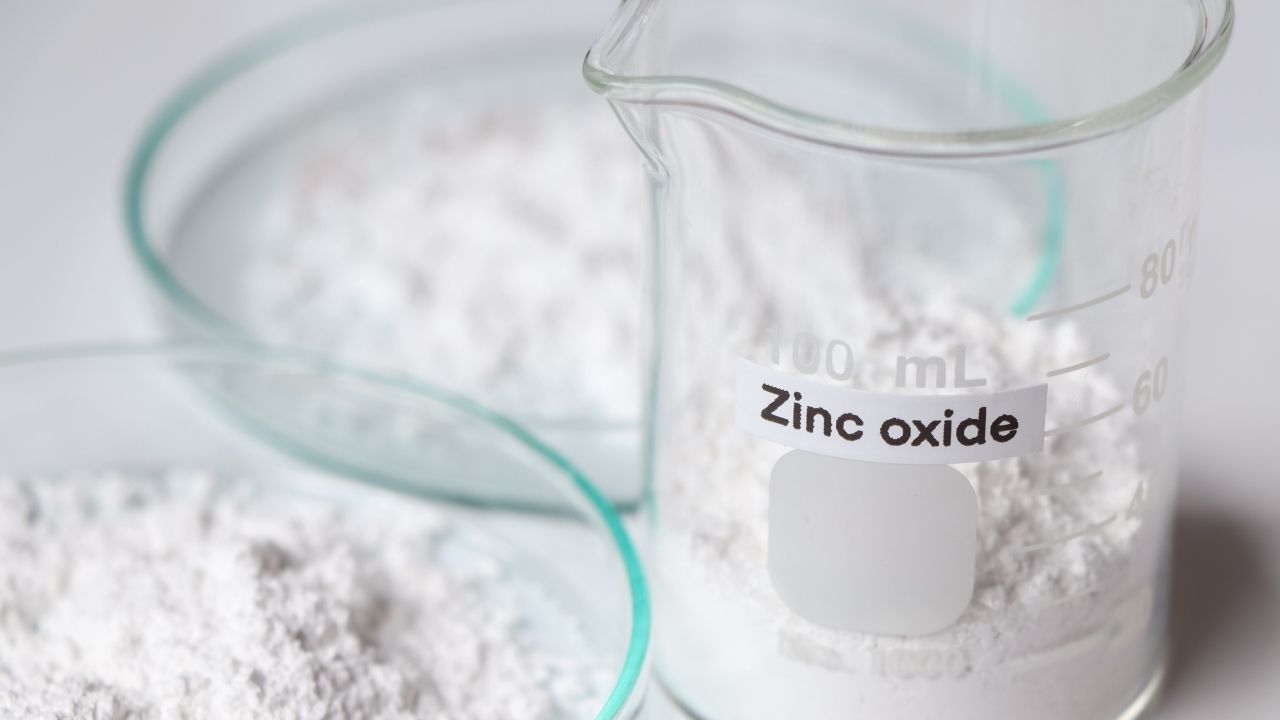
Why Skincare Routines Are Increasingly Built Around Zinc Oxide SPF

For years, sunscreen sat at the end of a skincare routine like an obligation: useful, necessary, and often slightly annoying. That’s changed. Today, many routines are being built around SPF from the start, and more specifically, around zinc oxide formulas.

This shift isn’t just about better marketing or cleaner packaging. It reflects a broader understanding of how skin behaves over time. People are thinking less in terms of quick fixes and more in terms of preserving skin function, reducing inflammation, and preventing the kind of cumulative damage that no serum can fully undo. In that context, zinc oxide has become central for a reason.

Zinc Oxide SPF

The New Role of SPF in Everyday Skincare

A decade ago, many people treated sunscreen as something for holidays, heatwaves, or long days outdoors. Now it’s increasingly understood as daily skin maintenance. That’s a meaningful difference. When SPF becomes part of how you protect collagen, manage pigmentation, and support a healthy skin barrier, it stops being seasonal and starts becoming foundational.

This matters because so many common skin concerns are worsened by UV exposure, even when the damage isn’t obvious in the moment. Fine lines, uneven tone, redness, post-inflammatory marks, and loss of elasticity all have a photodamage component. You can invest in active ingredients, but if ultraviolet exposure is left unchecked, you’re often working against yourself.

Zinc oxide fits neatly into this more modern view of skincare because it does more than simply “block the sun.” It supports a preventive mindset. And preventive skincare, done consistently, usually outperforms corrective skincare in the long run.

Why Zinc Oxide Has Moved to the Centre

Broad-spectrum protection without compromise

One of zinc oxide’s biggest strengths is that it provides broad-spectrum protection against both UVA and UVB rays. That sounds technical, but the practical takeaway is simple: it helps protect against both burning and the slower, less visible processes that contribute to premature ageing and pigmentation.

UVA is especially important here. It penetrates more deeply into the skin and is present year-round, even on cloudy days. That makes it a major issue for anyone trying to maintain skin quality, not just avoid sunburn.

A better fit for sensitive or reactive skin

Another reason zinc oxide is gaining ground is tolerability. People with rosacea, acne-prone skin, compromised barriers, or post-treatment sensitivity often find mineral formulas easier to wear than some chemical alternatives. Zinc oxide is generally well suited to skin that reacts easily, and that has made it particularly appealing as routines have become more barrier-conscious.

This is one reason dermatologists and skincare professionals increasingly recommend mineral-first approaches after procedures like peels, microneedling, or laser treatments. When skin is already under stress, the last thing you want is an SPF that adds another variable.

If you’ve been exploring what that looks like in practice, reviewing a dedicated zinc oxide SPF sunscreen range can be useful for understanding how varied these formulations have become. The category has evolved well beyond the thick, chalky products many people still associate with mineral sun protection.

The Formulation Shift That Changed Perception

From “hard to wear” to routine-friendly

Let’s be honest: older zinc oxide sunscreens did the ingredient no favours. They could feel heavy, leave a visible cast, pill under makeup, or sit on the skin in a way that made daily use unrealistic. But formulation technology has improved dramatically.

Today’s better zinc oxide SPFs are often more elegant, more wearable, and more compatible with layered skincare. That matters because the best sunscreen is the one people will actually apply in the correct amount and reapply when needed.

As textures have improved, so has consumer behaviour. People are no longer choosing between comfort and protection in quite the same way. That’s helped zinc oxide move from a specialist recommendation to a mainstream staple.

It works well in minimalist routines

There’s also a broader cultural shift at play. Many consumers are stepping back from overly complicated regimens. Instead of ten-step routines, they’re looking for products that do a few important things well. A good zinc oxide SPF often aligns with that preference because it can function as daily protection, a calming final layer, and in some cases a base that sits well under makeup.

That versatility is part of the appeal. When a product supports skin health rather than simply checking a box, it earns a more permanent place on the shelf.

Why It Appeals to Skin Barrier-Focused Consumers

Barrier health has become one of the defining ideas in skincare, and not without reason. Over-exfoliation, aggressive actives, and constant product switching have left many people dealing with irritation they didn’t expect. In response, routines are becoming gentler and more strategic.

Zinc oxide fits that philosophy well. It is often chosen by people who want fewer triggers, fewer compromises, and more consistency. Rather than treating SPF as a separate step from “skincare,” they view it as one of the most important ways to keep the barrier intact over time.

That’s especially relevant if you use ingredients like retinoids, acids, or pigment-correcting treatments. These products can be effective, but they also make daily sun protection non-negotiable. Without that protection, progress is easier to lose.

Zinc Oxide SPF

How to Make Zinc Oxide SPF Work in a Real Routine

The smartest way to approach zinc oxide sunscreen is not to treat it as a specialty item, but as a daily default. A few habits make the difference:

  • Apply it as the final step of your morning skincare
  • Use enough product to get the labelled protection
  • Reapply if you’re outdoors for extended periods
  • Choose a texture you genuinely enjoy wearing

That last point is often underestimated. Consistency usually comes down to feel, finish, and compatibility with the rest of your routine.

The bigger picture

The rise of zinc oxide SPF says something important about where skincare is headed. People are becoming more informed, more prevention-minded, and less interested in products that promise transformation while ignoring the basics. They want protection that respects sensitive skin, supports long-term results, and fits seamlessly into everyday life.

That’s exactly why zinc oxide is no longer just an alternative. For many routines, it has become the anchor.


The Gua Sha Routine That Actually Delivers Results

By Claire

A gua sha routine takes about five minutes: oil your skin, then scrape a smooth-edged tool along your neck, jaw, and cheeks in short upward strokes, three to five times a week. That’s the whole technique. What actually determines whether it works for you (and whether it backfires into a breakout) is everything most tutorials skip: the angle, the pressure, and what you do with your face in the 23 hours you’re not holding the tool.

I tested a gua sha routine on my own skin for eight weeks after my dentist told me I was grinding my teeth hard enough to reshape my jaw muscles. I wasn’t chasing a snatched jawline. I was trying to get rid of a dull, tense ache that showed up by 3 p.m. every day. What I got instead was a genuinely useful routine, a mid-routine breakout I didn’t expect, and a much clearer idea of where the popular advice on this actually holds up. Here’s what I found, plus how to build it into your own routine without repeating my mistakes.

Gua Sha Routine

The Gua Sha Routine That Actually Delivers Results

The core routine is short enough to do daily, though most people see the best results doing it three to four times a week:

  • Cleanse your face so you’re working on clean skin, not a layer of makeup or SPF.
  • Apply four to five drops of a lightweight facial oil to your neck, jaw, and cheeks so the tool glides instead of tugging.
  • Start at the base of your neck and stroke upward toward your jaw, five times on each side. This clears the lymphatic pathway before you touch your face.
  • Hold the tool at roughly a 15 to 30-degree angle, almost flat against your skin, and glide from the center of your chin outward along the jawbone toward your ear.
  • Move to your cheeks, gliding the flat edge from your nose outward toward your hairline.
  • Finish under your brow bone with the notched edge, sweeping gently from the inner corner outward.
  • Never scrape downward on your face, and never go back and forth. One direction, one pass at a time.

The whole sequence takes four to six minutes once you know it. The most common mistake isn’t the technique itself, it’s skipping the neck. If you jump straight to your jawline, the fluid you’re trying to move has nowhere to drain.

What Your Tool, Oil, and Pressure Actually Change

The Tool Matters Less Than the Cleaning Habit

I started with a thin plastic dupe tool from a beauty supply aisle, and it dragged against my skin no matter how much oil I used. I switched to the Mount Lai Rose Quartz Gua Sha Facial Lifting Tool around week three, and the difference in glide was immediate. It’s heavier than the plastic version, with smoother, more defined edges that actually follow the curve of a jawline instead of skating over it.

Stone tools like rose quartz and jade are naturally porous, which means bacteria can build up if you’re not cleaning them properly. That doesn’t mean you need to avoid them, it means you need an actual habit. I wipe mine down with a soft cloth and mild soap and water after every session, then let it air dry completely before it goes back in the drawer. Cleveland Clinic’s guidance on gua sha is the same regardless of material: keep your tool clean, and stop using it if it chips or cracks. The stone isn’t the risk. Skipping the cleaning step is.

The Oil Does More Work Than People Expect

A rich, heavy oil helps the tool glide, but it’s also the thing most likely to clog your pores if your skin runs oily or acne-prone. I switched from a facial balm to a thin rosehip oil halfway through my test and noticed less congestion around my chin within a week. If you’re breakout-prone, look for something labeled non-comedogenic rather than reaching for whatever’s already on your shelf.

Pressure and Angle: Where Most Routines Go Sideways

Gua sha should feel like a gentle technique done with very light pressure on the face, with some redness expected but never pain. I pressed too hard for most of my first week, following a video that made the strokes look more aggressive than they should be. The result was mild soreness the next morning, not the glow I was expecting. Once I dropped the pressure to something closer to a light massage, the redness settled within twenty minutes instead of lingering into the afternoon.

Building Gua Sha Into a Routine That Sticks

The version of this that actually holds up over time isn’t the elaborate 20-minute ritual you see in tutorials. It’s a five-minute add-on to a routine you already have.

I did mine in the morning, right after cleansing and before makeup, because a mid-morning slump made it easy to skip an evening session. Something I got wrong the first time: I tried to do the full face, neck, and under-eye sequence every single day. By week two I was mildly irritated and cutting corners. Scaling back to three sessions a week, with a full five minutes each time instead of a rushed ninety seconds, gave me more consistent results and a routine I actually kept up.

If your goal is puffiness and tension, mornings work well since the fluid retention from sleep is at its worst right when you wake up. If you’re doing this for relaxation and to release jaw tension from the day, an evening session before bed tends to feel more purposeful.

Pair it with basics that make the routine work harder: drink water through the day so there’s fluid to actually move, and keep your neck oiled through the whole sequence rather than rushing to your face.

Gua Sha Routine

Sculpting the Jawline: The Technique and the Add-On Exercises

For jawline definition specifically, the gua sha technique itself doesn’t reshape bone. What it does is reduce the puffiness and fluid retention that can make a jawline look softer than it is, and it releases the muscle tension that builds up in your masseter (the jaw muscle) from stress, clenching, or grinding.

The jawline-specific sequence:

  • Anchor the skin near your chin with your non-dominant hand so the tool doesn’t tug at loose skin.
  • Hold your tool at a 15 to 45-degree angle and glide from the center of your chin outward to just below your earlobe.
  • Repeat five to ten times on one side, then mirror on the other.
  • Use light to medium pressure. It should feel like a comfortable massage, never a pinch.

To get more out of the jawline work specifically, pair the massage with a few facial exercises rather than relying on gua sha alone:

  • Jaw releases: open your mouth slowly and move your jaw side to side to release tension in the masseter before you start scraping.
  • Cheek lifts: smile widely, hold for five seconds, and release, which engages the muscles around your jaw and cheekbones.
  • Tongue posture: resting your tongue gently against the roof of your mouth, rather than letting your jaw hang slack, can reduce the soft, sagging look that comes from chronic jaw relaxation.

I noticed the most visible difference not from the gua sha alone but from combining it with paying attention to my jaw clenching during the day. The scraping released the tension gua sha temporarily relieved; fixing the daytime habit that caused it in the first place is what made the difference stick.

Does Gua Sha Cause Acne? What’s Actually Going On

Gua sha itself doesn’t cause acne. According to WebMD, gua sha is typically considered safe, though it can cause some bruising, discoloration, or soreness that usually clears up within three to four days, and a bacterial skin infection is possible if the tool isn’t cleaned properly between uses. The breakouts people report almost always trace back to one of three habits, not the scraping motion itself:

  1. A heavy or comedogenic oil. Rich balms that help the tool glide can also sit in your pores, especially if your skin runs oily. Switching to a lightweight, non-comedogenic oil solves this for most people.
  2. An unclean tool. Porous stones like rose quartz and jade can hold onto bacteria between uses if you’re not disinfecting them regularly. This isn’t a reason to avoid stone tools, it’s a reason to actually clean yours: soap, water, and a full dry-out after every session, not just a quick wipe. This is the single biggest fixable cause of gua sha-related breakouts.
  3. Working directly over an active breakout. Scraping over inflamed skin can push bacteria deeper and spread it to nearby pores. If you’re breaking out, skip that area and focus the routine on your neck instead until it clears.

I had exactly one small breakout during my eight weeks, a cluster of tiny bumps along my jaw in week two, right around the same time I was using a heavier oil than my skin wanted. Switching oils cleared it within a few days and it didn’t come back. That tracks with what most estheticians describe as a short-lived adjustment period rather than an ongoing risk, as long as your tool and products are right for your skin.

If you have active cystic acne, an open wound, or a flare of eczema or rosacea, skip gua sha over that area entirely until it heals.

Where Gua Sha Routines Go Wrong

  • Skipping the neck. Going straight to the jawline without clearing the neck first traps fluid instead of draining it.
  • Using it on dry skin. Without enough oil, the tool drags instead of gliding, which can genuinely irritate your skin and stretch it in a way that feels the opposite of relaxing.
  • Going too hard, too soon. More pressure doesn’t mean faster results. It usually just means more redness that takes longer to settle.
  • Using it right after cosmetic procedures. If you’ve had Botox, fillers, or a laser treatment recently, hold off on facial gua sha until your skin has had time to heal, generally at least three to four weeks.
  • Expecting overnight results. The puffiness reduction is immediate, but jawline definition and tension release build over weeks of consistent, gentle sessions, not a single dramatic scrape.

Gua Sha Routine

What This Looks Like Three Months In

Eight weeks in, my jaw doesn’t ache by mid-afternoon anymore, though I’d credit that as much to noticing my clenching habit as to the tool itself. My skin looks a little brighter on the mornings I actually do the routine, and the one breakout I had was a product problem, not a technique problem. The Mount Lai rose quartz tool is still sitting on my counter, uncracked, because I actually stuck to cleaning it properly instead of leaving it damp on the sink.

The version of gua sha that’s actually sustainable isn’t the elaborate ritual from a tutorial. It’s a five-minute habit, done consistently, with a clean tool and an oil your skin actually likes. Start slow, keep the pressure gentle, and give it a few weeks before you judge whether it’s working. If you’re building this into a broader evening wind-down, it’s worth looking at how a low-key skincare routine fits around everything else, the same way we broke down Rihanna’s simple three-step skincare and sleep routine for anyone juggling a busy schedule.

How Patient Expectations Influence Cosmetic Breast Procedures

A woman walks into a consultation. She carries a dream. A picture in her head. A specific cup size. A certain cleavage. The surgeon listens. Then the real work begins. The surgeon must align that dream with reality.

Expectations make or break the experience. This piece explores that delicate balance. No judgment. Just the honest truth about hopes and outcomes.

implant

The Celebrity Trap

Many women bring photos of famous people. A movie star. A model. An Instagram influencer. They point and say, That one. The surgeon nods. Then they explain the truth. That celebrity has a different frame. Different ribs. Different skin. The same implant on a different body looks completely different.

The best cosmetic breast surgery Toronto women can get honors the individual body. Not a copied image. A good surgeon will say no to unrealistic goals. They will guide the patient toward a shape that fits. The result looks natural. Not like someone else.

The Cup Size Illusion

Cup sizes are a lie. A 34C looks different on every woman. The number shifts with the band size. The volume shifts with the frame. A woman who insists on a full C might be disappointed. The surgeon uses actual measurements. CCs. Cubic centimeters. That number matters more than the letter.

A smart patient asks about volume. Not just the cup. They try on sizers. They feel the weight. They see the shape on their own body. The reality beats the fantasy. The final fit brings joy.

The Too-Big Trap

The ego screams for more. Bigger seems better. Then the swelling goes down. The implants settle. And the woman realizes she went too far. The breasts feel heavy. They look fake. She regrets the size. This happens a lot. Surgeons see it every week.

A wise doctor tries to talk the patient down. A modest size looks better for longer. It ages gracefully. It fits the frame. It avoids back pain. It avoids stretch marks. The patient should trust that advice. A smaller implant brings a bigger smile in the long run.

The Drop and Fluff Timeline

Patience is the hardest part. Implants start high and tight. They look like rocks. They sit near the collarbone. The woman panics. She thinks she made a mistake. This is the drop and fluff phase. Gravity pulls the implants down. The muscles relax. The skin stretches.

Around month three, the shape softens. Around month six, they look natural. Around month twelve, the final form appears. A woman who understands this timeline stays calm. A woman who expects instant perfection spirals into regret. Knowledge saves the day.

The Scar Reality

Scars are part of the deal. The incision heals. It fades over time. But it never disappears completely. A woman with high expectations for invisible scars might feel crushed. The surgeon does their best. They place the cut in a hidden spot. Under the breast fold. Around the nipple. Through the armpit.

Each location leaves a mark. The mark turns white and flat. But it stays. A patient should look at healed photos. They should accept this trade. A beautiful shape comes with a tiny line. That is the price.

The Sensation Change

Nerves get stretched during surgery. The nipples might feel numb. The skin might feel tingly. Sensation returns slowly. Some women get full feeling back. Others have permanent changes. A woman who expects the same touch sensitivity might be upset. A woman who accepts the risk feels prepared.

The trade is worth it for most. A great shape beats a little numbness. But the expectation should be realistic. The surgeon warns about this. The patient should listen carefully.

The Weight Reality

Implants have weight. A large implant feels heavy. The breasts bounce differently. The skin stretches. The neck might ache. The back might hurt. A woman who expects a light and carefree experience might be surprised. The body adjusts over time. The muscles get stronger. But the extra weight stays.

A smaller implant solves this. So does an under-the-muscle placement. The muscle supports the weight. The discomfort reduces. A wise patient discusses this with the surgeon. They pick a plan that fits their lifestyle. Not just their vanity.

The Revision Truth

Implants are not lifetime devices. They need replacement. Ten to fifteen years is normal. Another surgery. Another recovery. Another cost. A woman who expects one and done is in for a shock. The surgeon explains this upfront. The patient must plan for the future.

The Complete At-Home Gel Manicure Routine (And Tips for Safe Removal)

A gel manicure can leave your nails looking polished for weeks with minimal maintenance. While visiting a salon is always an option, many people now enjoy doing their own gel manicures at home. With the right routine and a little patience, it’s possible to achieve smooth, glossy results while keeping your natural nails in good condition.

The key isn’t simply applying polish correctly. Nail preparation, curing, daily care, and proper removal all play an important role in how long your manicure lasts and how healthy your nails remain afterward. Rushing through any of these steps can lead to lifting, chipping, or unnecessary nail damage.

Here’s a complete routine that helps you get the most from your at-home gel manicure while making safe removal part of the process rather than an afterthought.

nail routine

Start With Clean, Healthy Nails

Every long-lasting gel manicure begins with proper preparation. Even the highest-quality gel products won’t adhere well if the nail surface isn’t ready.

Begin by removing any existing polish and washing your hands thoroughly. Trim and shape your nails using a quality file, then gently push back your cuticles with a cuticle pusher. Avoid cutting healthy cuticles unless absolutely necessary, as they help protect the nail from bacteria.

Next, lightly buff the surface of each nail. The goal isn’t to thin the nail plate but simply to remove excess shine so the base coat can grip more effectively. Finish by wiping each nail with a lint-free wipe and nail cleanser or isopropyl alcohol to remove dust and oils.

Taking a few extra minutes during preparation often makes the biggest difference in preventing premature lifting.

Apply Thin, Even Layers

One of the most common mistakes beginners make is applying gel polish too thickly. Thick layers may wrinkle during curing, cure unevenly, or peel much sooner than expected.

Instead, apply:

  • A thin base coat
  • Two thin coats of gel color
  • A thin top coat

Cure each layer according to the manufacturer’s recommended time using a compatible LED or UV lamp. Resist the temptation to add extra polish to speed up coverage. Several thin coats create a smoother finish and typically wear much better than one heavy layer.

Pay attention to the edges of your nails as well. Sealing the free edge with each coat helps reduce chipping during everyday activities.

Invest in Tools That Make the Process Easier

Good technique matters, but using dependable tools also makes your routine more efficient and consistent.

When maintaining gel manicures regularly, many people eventually add professional-grade equipment to their home setup. For example, electric nail drills can simplify shaping, refining product during fills, and preparing enhancements when used correctly. Those interested in upgrading their equipment can browse professional nail drills from brands like Saeshin at F.O.X Nails online for options designed for precision and controlled use.

No matter which tools you choose, take time to learn proper handling techniques before incorporating them into your routine. Working gently is always more important than working quickly.

Help Your Manicure Last Longer

A fresh gel manicure doesn’t end once the top coat cures. Small daily habits can make a noticeable difference in how long your nails stay looking their best. Try to:

  • Wear gloves while washing dishes or cleaning.
  • Apply cuticle oil every day.
  • Avoid using your nails to open packages or scrape labels.
  • Moisturize your hands regularly.
  • Resist picking at lifted edges.

If you notice a small area beginning to lift, avoid pulling it away. Peeling gel polish often removes layers of the natural nail along with it, making future manicures less durable.

Consistent nail care also helps your nails remain flexible instead of becoming dry or brittle over time.

Remove Gel Polish the Safe Way

Many cases of nail damage aren’t caused by gel polish itself but by improper removal. When you’re ready for a new manicure, begin by gently filing away most of the shiny top coat. This allows the acetone to penetrate the gel more effectively.

Next:

  1. Soak a cotton pad with acetone.
  2. Place it directly onto the nail.
  3. Wrap each fingertip with foil.
  4. Wait around 10 to 15 minutes.
  5. Gently slide away the softened gel using a wooden cuticle stick or silicone pusher.

If the polish doesn’t release easily, rewrap the nail for a few more minutes instead of forcing it off. Patience protects your natural nails far better than scraping aggressively.

People who regularly perform fills or remove builder gel may also incorporate an electric file into the process. F.O.X Nails USA provides equipment suited to these more advanced maintenance tasks, although proper technique remains the most important factor for protecting the nail plate.

Give Your Natural Nails Time to Recover

Even with excellent application and removal habits, it’s worth checking in on the condition of your natural nails between manicures. Look for signs such as unusual peeling, excessive thinning, or persistent sensitivity. If you notice any of these, consider taking a short break from gel polish while focusing on hydration and gentle nail care.

Using cuticle oil daily, moisturizing your hands, and avoiding harsh chemicals can help maintain flexibility and support healthier nail growth. Healthy nails create a stronger foundation for every future manicure.

Remember that attractive nails aren’t only about the polish on top. The condition of the natural nail underneath plays an equally important role in achieving consistently beautiful results.

Final Thoughts

Creating salon-worthy gel manicures at home isn’t about rushing through the process or buying every available product. It’s about following a consistent routine from preparation to removal while treating your natural nails with care every step of the way.

By preparing your nails properly, applying thin layers, maintaining your manicure with simple daily habits, and removing gel safely, you can enjoy long-lasting results while helping your natural nails stay healthy. A thoughtful routine today makes every future manicure easier, cleaner, and more enjoyable.

15 Best Lotions for Eczema in 2026, Tested and Reviewed

If you have eczema, you already know that “just moisturize more” isn’t advice: it’s a starting point at best and a frustration at worst. The wrong lotion does nothing. The wrong ingredients can trigger a flare before you even cap the tube. And with dozens of options lining pharmacy shelves, knowing which ones actually deliver relief is the kind of problem that tends to follow you for years.

We’ve been there. Members of our team have dealt with eczema-prone and reactive skin for most of our adult lives, which means we’ve tested a lot of products, learned a lot of hard lessons, and built up a working knowledge of what actually soothes inflamed, itchy skin versus what just markets itself that way. For this article, we’ll walk you through the 15 best lotions for eczema in 2026 based on real testing, ingredient research, and guidance from dermatologists, breaking down who each product suits, what makes it work, and how it fits into a daily eczema management routine.
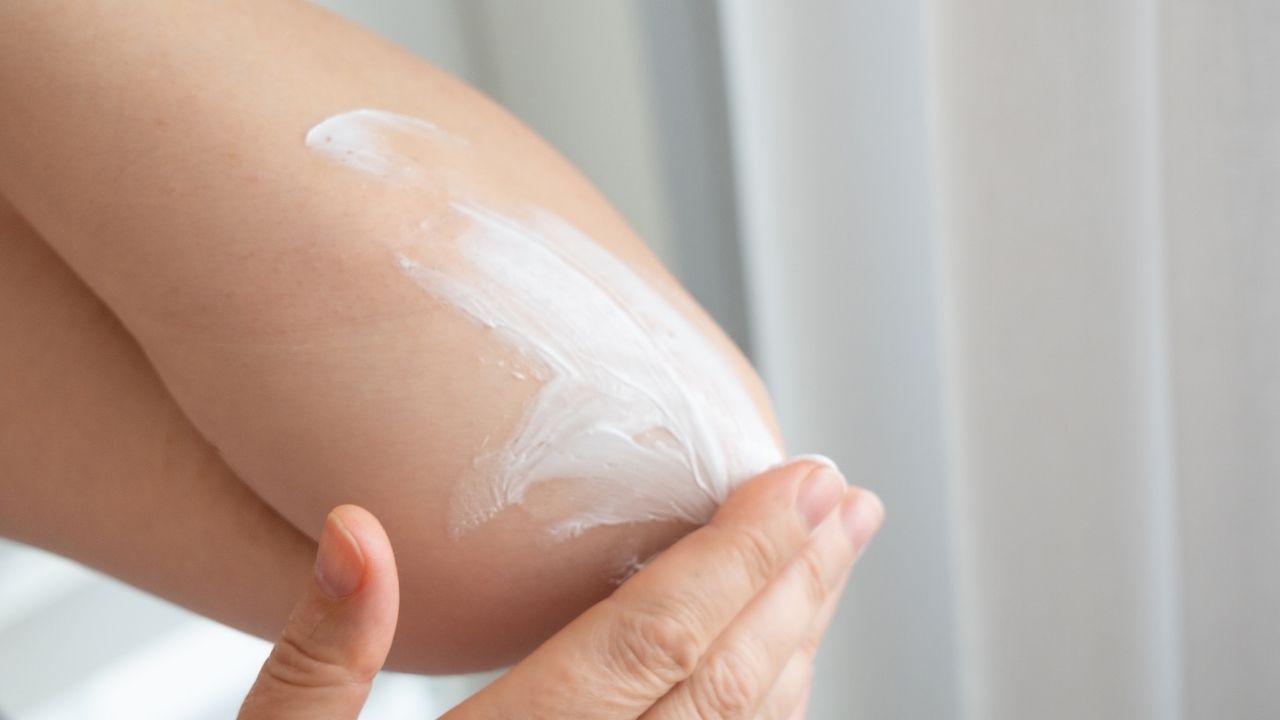
Lotions for Eczema

What We Looked for When Testing Eczema Lotions

Before getting into the list, here’s how we evaluated each product:

Ingredients: We prioritized formulas built around proven eczema-soothing actives: colloidal oatmeal, ceramides, hyaluronic acid, and niacinamide. We flagged anything with synthetic fragrance, essential oils, ethanol, or harsh preservatives, all common triggers for flare-ups.

Texture and absorption: Whether you prefer a lotion, cream, balm, or gel, texture matters for daily compliance. If a product feels unpleasant on your skin, you won’t stick with it, and consistency is what moves the needle with eczema management. Thick ointments offer more occlusion. Lightweight lotions are easier to layer and less greasy in summer. We noted each product’s consistency and how it felt on irritated skin.

Routine fit: Some products are best used once a day as part of a morning or evening skincare routine. Others are targeted treatments you apply only during active flares. A few work well in both roles. We noted where each one fits so you can build a routine around it rather than buying products that overlap.

Suitability: Some formulas are built for the face; others work best on the body. A few are safe for babies and children. We noted all of this so you can match each product to your specific situation.

Price: Effective eczema care doesn’t have to be expensive, and most of what works best is available at the drugstore. We’ve included a range from budget to premium.

The 15 Best Eczema Lotions and Treatments in 2026

1. Phoilex Active ReLeaf Spot Gel: Best Overall for Flare-Up Relief

If you’re managing active eczema flares, this is the one we’d point you to first. The phoilex.com Active ReLeaf Spot Gel is a steroid-free, clinically tested botanical gel designed specifically for eczema, atopic dermatitis, and psoriasis-prone skin, and it deserves a permanent spot in any eczema management routine.

The formula is built around the brand’s proprietary Phyto-Active Blend, a combination of targeted botanicals including arnica, birch bark, nettle leaf, and chaga mushroom, alongside a triple-ceramide complex, colloidal oatmeal, vitamin D (in three forms), and omega-rich emu oil. Together these ingredients work to calm redness, reduce itching, and support the skin barrier without the rebound risk that comes with long-term steroid use.

In a published clinical study in Dermatological Review, 93% of users reported itch relief lasting 4 to 12 hours, and 74% experienced a significant reduction in flare frequency after eight weeks of consistent use. It was also recognized by Shape Magazine as the 2025 Skin Award winner for Best Products for Flare-Ups, evaluated by a panel that included dermatologists and skincare formulators.

The gel absorbs cleanly without leaving a greasy residue. On active flares, we felt calming within a few minutes of application. It works best as a targeted step in your routine rather than a whole-body daily moisturizer, applied directly to problem patches after cleansing and before a barrier-supporting cream on the surrounding skin. At $42 for 60ml, it’s a premium pick, but for anyone managing frequent or severe flares, it fills a gap that most drugstore options don’t.

Key ingredients: Colloidal oatmeal, ceramide complex, vitamin D, Phyto-Active Blend
Fragrance-free: Yes
Steroid-free: Yes
Suitable for: Face and body; adults and children including babies; all skin types
Best used: As a targeted treatment step during flares, morning or evening

2. Vanicream Moisturizing Cream: Best Everyday Body Moisturizer

Vanicream has a near-cult following in the sensitive skin community, and for good reason. This thick, fragrance-free cream is free of dyes, parabens, and formaldehyde releasers, making it one of the safest options for a daily skincare routine when your skin is prone to eczema. The key ingredients are petrolatum and sorbitol, which work as an occlusive and humectant pair to lock in moisture and plump the skin. We’ve used this as a go-to post-shower body moisturizer and found it consistently reduces dryness and soothes itchy patches without any irritation.

Key ingredients: Petrolatum, sorbitol, water
Fragrance-free: Yes
NEA Seal of Acceptance: Yes
Best used: Daily, as the moisturizing step in a morning or evening body routine

3. CeraVe Daily Moisturizing Lotion: Best Lightweight Daily Lotion

CeraVe’s ceramide-and-hyaluronic-acid formula is a dermatologist staple for good reason. The texture is lightweight enough for daily use on both face and body, absorbs without heaviness, and works well in warmer months or for those who need to layer products throughout the day. If you want something to slot into your morning skincare routine under SPF or makeup without feeling greasy, this is it.

Key ingredients: Ceramides, hyaluronic acid, glycerin
Fragrance-free: Yes
NEA Seal of Acceptance: Yes
Best used: Morning skincare routine, as a daily base moisturizer

4. Aveeno Eczema Therapy Nighttime Itch Relief Balm: Best for Overnight Use

This is the balm we reach for when itching is worst at night. Colloidal oatmeal is the hero ingredient, with ceramides supporting barrier repair throughout the night. The thick formula creates a protective layer on skin while you sleep, making it the ideal final step in an evening skincare routine for eczema-prone skin. A tip from our team: keep the tub in the fridge before bed. The cooling sensation adds meaningful relief on particularly inflamed skin.

Key ingredients: Colloidal oatmeal, ceramides, glycerin
Fragrance-free: Yes
NEA Seal of Acceptance: Yes
Best used: As the last step in a nighttime routine, applied to dry or irritated areas before sleep

5. Eucerin Eczema Relief Flare-Up Treatment: Best Drugstore Flare Treatment

The Eucerin formula combines colloidal oatmeal, ceramides, and licorice root extract to calm inflammation quickly. It’s one of the more affordable targeted treatments on this list, and it integrates easily into an existing eczema management routine as a spot step during active periods. The rich consistency is best suited to the body rather than the face. Safe for children and babies aged three months and older.

Key ingredients: Colloidal oatmeal, ceramides, licorice root extract
Fragrance-free: Yes
Best used: Applied to active patches as a targeted step during flare-ups

6. La Roche-Posay Cicaplast Balm B5: Best Multi-Purpose Balm

Panthenol, glycerin, shea butter, and madecassoside work together in this balm to soothe irritated and chafed skin, reduce redness, and support healing. It has a matte finish, which makes it more comfortable than most balms for daytime use, slotting well into a morning skincare routine without the shiny residue of heavier alternatives. It can also serve as a spot treatment on specific patches. Safe for newborns.

Key ingredients: Vitamin B5, shea butter, madecassoside, La Roche-Posay thermal spring water
Fragrance-free: Yes
NEA Seal of Acceptance: Yes
Best used: Morning or evening routine, on face and body; doubles as a spot treatment

Lotions for Eczema

7. First Aid Beauty Ultra Repair Cream: Best for Barrier Repair

FAB’s Ultra Repair Cream combines colloidal oatmeal, shea butter, allantoin, and glycerin to address dryness, irritation, and redness simultaneously. It’s a thicker formula that creates a real barrier between your skin and environmental triggers, which makes it especially useful during winter or high-allergen periods as a core step in your daily eczema management routine. We like it for both face and body, though at $42 it’s a splurge by drugstore standards.

Key ingredients: Colloidal oatmeal, shea butter, allantoin, glycerin
NEA Seal of Acceptance: Yes
Best used: Daily moisturizing step, particularly in cold or dry weather

8. Cetaphil Restoraderm Soothing Moisturizer: Best Non-Greasy Formula

This formula pulls together colloidal oatmeal, hyaluronic acid, ceramides, and glycerin in a lighter, non-greasy texture that absorbs quickly. It’s particularly good for those who find heavier balms or creams uncomfortable as an everyday skincare routine step, and works well in warmer months when you still need barrier support without the weight. Hypoallergenic, paraben-free, and steroid-free.

Key ingredients: Colloidal oatmeal, hyaluronic acid, ceramides, glycerin
Fragrance-free: Yes
NEA Seal of Acceptance: Yes
Best used: Daily moisturizer in a summer or warm-weather eczema routine

9. La Roche-Posay Lipikar AP+M Triple Repair Moisturizer: Best for Rough, Textured Skin

This is a heavier-hitting formula for skin that’s thickened, roughened, or particularly dry from chronic eczema. The thermal water base has anti-inflammatory properties, and niacinamide, shea butter, and ceramides work to smooth texture and strengthen the barrier over time as part of a consistent nightly routine. Suitable from two weeks old.

Key ingredients: Thermal spring water, ceramides, shea butter, niacinamide, glycerin
Fragrance-free: Yes
NEA Seal of Acceptance: Yes
Best used: Evening routine, on body areas with chronic dryness or thickened skin

10. Bioderma Atoderm Intensive Balm: Best Fast-Absorbing Balm

Unlike most balms that come in tubs, Bioderma’s formula uses a pump for mess-free, hygienic application, which makes it especially easy to work into a daily routine. It’s fast-absorbing and non-greasy, with ceramides and vitamin C to soothe itchy skin and support the skin barrier. Good for all ages and daily use on face and body.

Key ingredients: Glycerin, ceramides
Fragrance-free: Yes
NEA Seal of Acceptance: Yes
Best used: Morning or evening routine; the pump format makes it especially practical for daily use

11. Aveeno Eczema Therapy Daily Moisturizing Cream: Best Value Cream

Colloidal oatmeal and ceramides combine in this affordable everyday cream. The formula plumps and hydrates dry skin, reduces redness and irritation, and reinforces the skin barrier with regular use, making it a reliable anchor for a budget-friendly eczema skincare routine. The main drawback is the lack of a pump, which makes it a little awkward to use on larger body areas.

Key ingredients: Colloidal oatmeal, ceramides
Fragrance-free: Yes
NEA Seal of Acceptance: Yes
Best used: Daily moisturizing step, morning or evening

12. Avène XeraCalm A.D. Lipid-Replenishing Balm: Best for Sensitive Skin Including Newborns

Avène’s formula is gentle enough for newborns and uses a pump that keeps the formula preservative-free, which matters if you’re sensitive to common preservatives. I-Modulia and Cer-Omega help calm the immune response associated with eczema, while glycerin and Avène thermal spring water maintain hydration. It’s one of the few formulas that doesn’t need preservatives at all, since the pump design keeps it sterile. For parents managing a baby’s eczema, this is a strong routine foundation.

Key ingredients: Avène thermal spring water, glycerin, Cer-Omega, I-Modulia
Fragrance-free: Yes
NEA Seal of Acceptance: Yes
Best used: Daily skincare routine for babies, children, and adults with highly reactive skin

13. Eczema Honey Skin-Soothing Cream: Best Natural Formula

Colloidal oatmeal, organic honey, and beeswax make up the core of this cream, which temporarily relieves itching and irritation and works well as a natural daily moisturizer in an eczema management routine. Apply a small amount and massage it in until it melts into the skin. The honey adds a natural occlusive and antimicrobial layer. Note that this formula isn’t appropriate for those with nut sensitivities.

Key ingredients: Colloidal oatmeal, organic honey, beeswax
NEA Seal of Acceptance: Yes
Best used: Daily routine, particularly for those preferring natural or minimal-ingredient formulas

14. Gold Bond Medicated Eczema Relief: Best Budget Pick

At around $12, this is the most affordable option on our list. Colloidal oatmeal and shea butter provide solid barrier support and relief from itching and dryness, and the price point makes it easy to keep one in the bathroom and one at your desk for routine top-ups throughout the day. The brand claims symptom relief within 15 minutes of application, which we’ve found roughly accurate for mild irritation. The formula has a mild scent, worth noting if you’re particularly fragrance-sensitive.

Key ingredients: Colloidal oatmeal, shea butter
NEA Seal of Acceptance: Yes
Best used: Throughout-the-day top-ups as part of a daily eczema management routine

15. Cortizone-10 Maximum Strength Intensive Healing Lotion: Best Short-Term Steroid Option

The only steroid-based product on this list, and it’s here for a reason: 1% hydrocortisone is the maximum over-the-counter strength available without a prescription, and for acute, severe flares, it provides faster relief than non-steroidal alternatives. Use it sparingly, no more than four times daily, and avoid extended use without consulting a dermatologist. It’s best used as a short-term addition to your routine during a significant flare, not as a long-term skincare staple. Also FSA-eligible.

Key ingredients: 1% hydrocortisone
NEA Seal of Acceptance: Yes
Best used: Short-term flare intervention only; not a daily routine product

How to Build an Eczema Skincare Routine Around These Products

Choosing the right products is only part of the equation. How and when you use them makes just as much difference to your results.

Start with a gentle cleanser, then moisturize immediately

Dermatologists consistently recommend applying moisturizer to damp skin within a few minutes of bathing, before the moisture in your skin has a chance to evaporate. This is one of the highest-leverage habits in any eczema management routine, and it costs nothing extra. Pick your daily moisturizer (CeraVe, Vanicream, or Cetaphil Restoraderm work well here), and make it the automatic step after every shower.

Layer targeted treatments on active patches

If you’re managing active flares, a targeted treatment like the Phoilex Active ReLeaf Spot Gel belongs in your routine as a separate step: applied directly to problem areas after cleansing, before your broader moisturizer. This layering approach lets you treat inflamed skin precisely without changing your whole routine or using a heavy formula all over.

Build a morning and evening routine that matches your skin’s needs

A basic eczema-friendly skincare routine doesn’t need to be complicated. Morning: gentle cleanse, lightweight moisturizer, SPF if going outside. Evening: cleanse away the day’s buildup, apply any targeted treatment to active patches, finish with a thicker barrier-supporting cream or balm like Aveeno Eczema Therapy Nighttime Balm. Adjust seasonally: thicker formulas in winter, lighter textures in summer.

Adjust your routine when triggers change

Eczema is reactive, which means your routine needs to adapt alongside it. Stress, diet changes, seasonal shifts, and new products can all trigger flares. Keep your routine consistent at baseline, introduce new products one at a time, and give each one two to four weeks before judging whether it’s working. According to the National Eczema Association, fragrance is among the most common contact allergens for eczema-prone skin, so checking ingredients carefully before adding anything new to your routine is always worth the effort.

Adjust your routine seasonally

Thicker ointments and balms belong in winter, when cold air strips moisture from the skin barrier. Lighter lotions work better in summer, when heavier formulas can feel uncomfortable or clog pores. If you notice your eczema worsening with a seasonal shift, your moisturizer is a logical first variable to change. Building a consistent skincare routine is something even those without eczema benefit from: as we’ve covered in Rihanna’s skincare routine, the most effective approaches tend to be simple, consistent, and adapted to what the skin actually needs rather than what trends dictate.

Lotions for Eczema

Frequently Asked Questions

What’s the difference between a lotion, cream, balm, and ointment for eczema?

Lotions are the most liquid and least occlusive. Creams are thicker and better at sealing in moisture. Balms are even thicker, often with a waxier texture. Ointments are the most occlusive of all, typically petrolatum-based. For eczema, thicker is generally better, especially during flares, though personal preference and where the product sits in your routine both play a role.

Can I use a gel formula on eczema?

Yes, especially targeted gel spot treatments like the Phoilex Active ReLeaf Spot Gel, which are designed to deliver active botanicals and ceramides directly to irritated areas without the heaviness of a balm or ointment. Gels are particularly good for the face or for the targeted step in your routine when you don’t want to apply a thick formula all over.

How often should I moisturize if I have eczema?

At minimum, once daily after bathing as a non-negotiable step in your skincare routine. During a flare, two to three times a day is more appropriate, particularly for very dry or cracked areas. Consistency matters more than volume.

Should I see a dermatologist before choosing an eczema lotion?

If your symptoms are moderate to severe, or if OTC products haven’t provided meaningful relief after a few weeks of consistent use, yes. A dermatologist can rule out other skin conditions, prescribe stronger treatments if needed, and help you build a routine tailored to your specific triggers.