Uncategorized Archives - RoutineBase

What to Know Before Buying Rings Online

rings online

Key Highlights

  • Online shoppers in Australia can compare engagement rings, wedding bands, and everyday wear styles in one place.
  • Ring materials matter. White gold, yellow gold, rose gold, silver rings, and platinum all suit different needs.
  • Your personal style should guide the choice, from simple bands to statement rings.
  • Accurate ring size checks help you avoid fit issues before ordering online.
  • Australian couples can find rings for milestones, gifting, and daily wear with secure delivery options.
  • Quality details like hallmarks, certifications, and finish are worth checking before you buy.

Introduction

Buying rings online can save time and give you more choice, whether you want an engagement ring, a wedding ring, or a gift for yourself. In Australia, online collections now cover classic and modern ring styles, so it is easier to match your personal style. The key is knowing what to check before you order.

Types of Rings You’ll Find Online in Australia

rings

Online jewellery stores in Australia usually offer a wide mix of rings with different styles. You will often see an engagement ring, wedding band, statement rings, signet rings, eternity ring options, and stackable rings in one collection.

That range helps Australian couples and solo shoppers find a perfect ring for daily wear, personal expression, or a big milestone in their love story. The main categories below show what is most common in rings in Australia and how each suits a different need.

Engagement Rings: Classic and Contemporary Choices

An engagement ring is still one of the most searched ring styles online, and for good reason. It marks a huge moment. Australian couples can choose classic or contemporary ring styles, depending on personal preference and budget.

Popular options include diamond rings with one centre stone, halo settings, halo rings, trilogy rings, and toi et moi designs. Gold engagement rings in white gold, yellow gold, and rose gold remain strong choices. Oval diamond shapes and marquise diamonds also stand out in current engagement ring trends.

If you want the best engagement ring online in Australia, look for a trusted retailer with a long history, secure delivery, and a strong range. Mazzucchelli’s offers rings in Australia that cover classic and modern looks, making it easier to match your love story with the perfect engagement ring.

Wedding Bands and Promise Rings

A wedding band is made for daily wear, so comfort is as important as style. Many Australian couples start with a plain ring and then consider diamond wedding bands or eternity rings for extra detail.

Yellow gold offers a warm, classic look, while diamond-set bands feel more elegant. Promise rings are also popular for those wanting a meaningful piece without committing to a full wedding band.

This category allows for personal expression—designs can stay simple or be stacked with other rings. If you’ll wear your ring every day, pick a style that suits your lifestyle, not just how it looks in photos.

Statement and Everyday Rings

Not all rings are bought for proposals or weddings. Statement, signet, and stackable rings are popular online for personal style and everyday wear.

A slim gold ring suits daily office wear, while a bold rose gold ring transitions easily from lunch to dinner. Silver rings offer an elegant look at a more affordable price.

Stackable rings let you create your style over time. Engraved signet rings add a personal touch. Keep in mind, ring size can vary with band thickness.

Choosing the Right Ring Material

rings

The material changes how a ring looks, wears, and feels on your hand. A gold ring, silver ring, and platinum each bring something different to wedding ring choices, gold engagement rings, and fashion pieces.

Your personal preference should lead the decision, but daily use matters too. Some precious metals suit regular wear better, while others are chosen mainly for colour and personal style. Here is how the main options compare.

Gold Rings — Yellow, White, and Rose Explained

Gold rings are a staple online because they cover so many looks. The main difference between yellow gold, white gold, and rose gold is visual style. That is why personal preference matters more than trends alone.

A yellow gold band feels classic and warm. White gold looks bright and crisp. A rose gold ring gives a softer colour that many buyers choose for modern styling.

Gold type Look and appeal
Yellow gold Traditional, warm, and easy to pair with classic ring styles
White gold Clean, bright finish that suits many gold engagement rings
Rose gold Soft pink tone that feels modern and distinctive

For buyers asking which brands offer gold rings for women in Australia, established jewellers such as Mazzucchelli’s carry gold ring collections in all three tones.

Silver and Platinum Rings for Australian Buyers

Silver rings are often chosen for refined, easy daily wear. They work well if you want a simple look or a first jewellery purchase without stepping straight into higher-priced precious metals.

Platinum sits at the other end of the range. It is presented as the finest, most enduring metal available, which makes it a strong fit for a wedding band or another ring meant for long use.

Yes, you can shop for silver rings online from Australian retailers. Along with silver, common materials used for women’s rings in Australia include gold in different tones and platinum, giving you several ring styles to match your personal style.

Gemstone and Diamond Rings: What to Consider

Diamond and gemstone rings offer more options for colour, shape, and personal meaning. Some buyers prefer classic diamond centre stones, while others choose sapphires, rubies, emeralds, pearls, or softer gems like aquamarine, opal, and morganite.

When comparing rings online, consider:

  • Whether the stone is a natural diamond or another gem
  • The carat weight and appearance of the centre stone
  • Design features like halo or trilogy settings
  • Ethical sourcing details

For example, choosing between a large single stone and a halo design comes down to preference. A single stone highlights one gem, while a halo setting uses smaller stones to enhance visual impact without sacrificing your style.

How to Check Ring Quality When Shopping Online

Buying online means you cannot hold the ring first, so quality checks matter. For a wedding ring, gold engagement ring, or a daily-wear piece, look closely at quality craftsmanship and genuine materials before you commit.

Good product pages help by showing certifications, hallmarks, and details on ethical sourcing. They may also explain honest prices and reduce some retail markup. The next two sections cover the simplest checks to make.

Understanding Certifications and Hallmarks

The authenticity of your purchase can often be verified through proper certifications and hallmarks. These indicators provide critical insights into the quality and craftsmanship of your selected rings. GIA certification, for instance, offers assurance regarding the characteristics of natural diamonds, including their carat weight, clarity, and cut. By checking for such certifications, you can confidently assess the value of your investment.

Hallmarks, stamped on precious metals, reveal information about the metal’s purity and origin, ensuring ethical sourcing and compliance with industry standards. Knowing how to interpret these markers is essential for making informed decisions. Whether it’s a diamond wedding band or an elegant rose gold ring, these elements contribute to the ring’s overall value, ensuring that it aligns with your personal expression and style.

Signs of Genuine Craftsmanship

Good ring photos can tell you a lot. Look for clean lines, even stone placement, and a finish that looks consistent across the whole band. These are simple signs of quality craftsmanship.

This matters even more with stackable rings and custom-designed rings, where small details affect how pieces sit together. A poor edge or uneven setting may not show up at first glance, but it often affects comfort and appearance.

Mazzucchelli’s has been helping Australians choose rings since 1903, and that long history can reassure buyers who want genuine craftsmanship. If you want the perfect ring for your personal style, focus on build quality before chasing extra features.

Sizing Guide: Getting the Perfect Fit Remotely

Ring size is one of the biggest worries when you buy rings online. A perfect fit affects comfort, security, and how the ring looks with different ring styles.

The good news is that remote measuring can still work well if you take your time. Start with a simple home check, then make sure you understand the store’s process if the size is not right.

Measuring Your Ring Size at Home

The best way to choose the right ring size when buying online is to measure carefully, then compare that result with the retailer’s size guide. Do not guess, especially for surprise buys between Australian couples.

A simple home process helps:

  • Measure a ring that already fits the correct finger
  • Check size more than once, not just once
  • Remember that wider ring styles may feel tighter
  • Think about personal fit for daily wear, not only first try-on

If you are buying for a hopeful partner, compare a current ring from the same hand and finger where possible. That small step can prevent a common mistake, especially with thicker bands.

What To Do If The Fit Isn’t Right

If the fit is wrong, act quickly and check the seller’s return or exchange terms first. This is where online buying feels very different from buying in store.

Look for practical details such as:

  • Whether returns or exchanges include free shipping
  • Time limits linked to resizing or replacement
  • Any payment schedule, due dates, or eligibility criteria if you used instalments

Keep finance details separate from fit issues. Your preferred payment date or a higher upfront payment will not fix a poor ring size, so deal with the exchange process first. Easy returns can make online ring shopping far less stressful.

Conclusion

In conclusion, buying rings online can be rewarding with the right knowledge. Understanding ring types, quality, and fit is key to making an informed choice. Consider material, certifications, and size to ensure your purchase meets both style and practical needs. Follow these tips to enhance your shopping experience and make a choice you’ll love. Ready to find the perfect ring? Contact us for a free consultation!

Frequently Asked Questions

Are affordable yet quality rings available online in Australia?

Yes. Affordable options are available online in Australia, especially when sellers provide honest prices and reduce retail markup. Check for a full breakdown of materials, whether stones are real diamonds, and any eligibility criteria linked to payment options before you buy.

What are Australia’s best options for unique or custom-designed rings?

For Australian couples wanting custom-designed rings or something more distinctive, look for jewellers with a broad collection, long history, and visible quality craftsmanship. That gives you more room for personal expression and a better chance of finding a ring that fits your personal style.

We Tried These 4 Best Workout Tracking Apps to Save You Time

Tracking your workouts isn’t just about logging sets and reps, but about understanding your progress, improving consistency, and hitting your long-term fitness goals more efficiently.

Fitness and workout tracking apps have exploded in popularity, but not all of them actually help you get stronger, stay motivated, or analyze your performance meaningfully. After testing and reviewing, we’ve narrowed down the 4 best workout tracking apps available today.

Here’s how we reviewed them:

  • Ease of logging workouts and tracking progress
  • Variety and quality of tracked workout types
  • Analytics and visual progress insights
  • Pricing/value (free vs premium)
  • Real-world usability in home, gym, and outdoor settings

Note: All data is valid as of 2026 and opinions are subjective; some features might be more suitable to certain training goals (e.g. strength vs cardio).

App #1: Strong

What It Is: Strong is one of the most popular workout tracking apps, designed to log gym sessions, strength training data, and progress with speed and simplicity.

What We Liked

  • Minimalistic, intuitive UI that makes logging sets fast, no tapping through unnecessary screens.
  • Excellent progress visualization with graphs for volume, 1RM trends, and workout history.
  • Works for both beginners and experienced lifters.

What’s Not So Great

  • Doesn’t include guided workouts or trainer-led sessions, just logging and tracking.
  • Some advanced features (templates, custom plans) require premium.

Pricing

  • Free: Basic workout logging
  • Premium: Subscription unlocks workout templates, advanced analytics

Best for: Lifters who want simple, fast, no-nonsense tracking in the gym.
Platforms: iOS, Android

Our take: Strong shines for people who actually train, as it gets out of your way and captures progress without bells and whistles that slow you down.

App #2: Strava

What It Is: Strava is a social workout tracking platform originally built for runners and cyclists, now supporting dozens of activity types while combining GPS tracking and community features.

What We Liked

  • Tracks outdoor workouts with GPS: running, cycling, hiking, and more.
  • Community and social features (segments, kudos, leaderboards) add motivation.
  • Syncs with many devices and wearables for accurate performance data.

What’s Not So Great

  • Best features locked behind paid subscription.
  • Less focused on indoor gym strength tracking vs outdoor sports data.

Pricing

  • Free: Basic activity logs and GPS tracking
  • Premium: Advanced analysis, personalized goals, deeper stats

Best for: Runners, cyclists, hikers or anyone who wants social motivation with tracking.
Platforms: iOS, Android, Web

Our take: Strava is unmatched for outdoor workout tracking and community engagement, though it’s not ideal if your main focus is strength training in the gym.

App #3: Hevy

What It Is: Hevy is a workout tracker tailored to lifters with a clean interface, easy logging, built-in rest timers, and volume and progression charts for sets and weights.

What We Liked

  • Intuitive logging with supersets, drop sets, and rest timers.
  • Extensive exercise library and customization for routines.
  • Tracks one-rep max (1RM) and progression graphs automatically.

What’s Not So Great

  • Premium subscription needed for deeper analytics and custom features.
  • Mainly focused on resistance training, not as strong for cardio.

Pricing

  • Free tier available
  • Premium subscription unlocks advanced analytics and features

Best for: Gym strength training and progressive overload tracking.
Platforms: iOS, Android

Our take: If you want detailed gym logs with easy progress visuals, Hevy is a top contender, especially for strength athletes.

App #4: Fitbod

What It Is: Fitbod blends intelligent workout plan generation with workout tracking. It uses your logged history to generate routines that adapt to your goals and equipment availability.

What We Liked

  • Personalized routines based on previous workouts and equipment.
  • Automatically tracks sets, reps, and weights while suggesting next workouts.
  • Great for both gym and home training.

What’s Not So Great

  • Premium required for adaptive plans and full features.
  • Not as streamlined for simple logging if you just want to track without plans.

Pricing

  • Subscription-based app (no free tier beyond trial)

Best for: Users who want guided routines built around their progress.
Platforms: iOS, Android

Our take: Fitbod is ideal if you want tracking plus intelligent workout planning that evolves with your results.

Final Thoughts

There’s definitely no one “perfect” workout tracker, but the four we tested are all excellent in their own ways. Here’s how we would categorize them in a nutshell:

  • Strong: best overall for pure gym tracking
  • Strava: best for outdoor and multi-sport progress
  • Hevy: best lift-centric gym log with analytics
  • Fitbod: best for adaptive workout planning + tracking

Your choice should depend on how you train and what you value most: simplicity, outdoor metrics, progression analytics, or guided programming.


We suggest trying them and seeing which one sticks with your routine!

We Tried These 4 Best Calorie Tracking Apps: Which One Is Worth Your Time in 2026

Tracking calories isn’t just about logging food, but understanding your habits, making smarter decisions, and reaching your weight or health goals faster.

Nutrition apps have exploded in popularity, but not all of them are created equal. After testing and researching extensively, we’ve narrowed down the 4 best calorie tracking apps today.

Here’s how we reviewed them:

  • Accuracy of food database
  • Ease of logging meals
  • Features (macros, micronutrients, recipes, fasting, integrations)
  • Pricing/value
  • Real-world usability

Note: Keep in mind that all data is valid as of February 2026 and opinions are subjective, so some features might be more suitable to you than to others.

App #1: MyFitnessPal

MyFitnessPal remains the most popular calorie tracking app worldwide with a huge food database and familiar interface. You can log meals by search, barcode scan, or quick entry, and it lets you set calorie, macronutrient, and goal targets.

It also integrates with most fitness trackers and offers supportive community features, helpful if you like social accountability.

What’s We Liked

Within minutes of signing up, we were logging meals without needing any tutorials. The food database is extensive, almost every packaged product scanned showed up instantly, which makes everyday tracking relatively frictionless.

Another highlight is integration. Whether you’re using a smartwatch, fitness tracker, or smart scale, MyFitnessPal connects smoothly and keeps everything in one place.

What’s Not So Great

  • Free version can feel clunky and ad-heavy, pushing Premium features.
  • Nutrient tracking beyond calories and macros is basic.
  • Database quality varies; some entries are crowd-sourced and inconsistent.

Pricing

  • Free: Basic calorie & macro tracking
  • Premium: ~$79.99/year or $19.99/month (varies by region)

Best for: Beginners and long-term calorie tracking
Platforms: iOS, Android, Web

Our take: A very solid choice if you want a calorie tracker that just works with lots of user data and device sync. But if deeper nutritional insight is your goal, there could be better options out there.

App #2: Cronometer

Cronometer is a precision-focused nutrition tracking app built around accuracy. Unlike many competitors, it emphasizes verified food data and tracks a wide range of micronutrients in addition to calories and macros.

What’s We Liked

Cronometer impressed us with its depth. Being able to see vitamin, mineral, and amino acid breakdowns gave a much clearer picture of nutritional quality, not just calorie quantity.

The data felt trustworthy, which increased our confidence in the numbers.

What’s Not So Great

The interface can feel technical and slightly intimidating at first. For casual users who only want to log calories quickly, it may feel more detailed than necessary.

Pricing

  • Free version (ad-supported)
  • Gold: $10.99/month or $4.99/month if billed annually

Best for: Users who care about nutrient quality, micronutrients, or following structured diet plans like keto, high-protein, or medically guided nutrition.
Platforms: iOS, Android, Web

Our take: Cronometer looks like a super accurate and data-rich option here. It’s ideal for serious tracking, but possibly overkill if you just want basic calorie counting.

App #3: YAZIO

YAZIO is a calorie tracking app that combines modern design with structured weight loss tools and built-in intermittent fasting tracking. It balances simplicity with motivational features.

What’s We Liked

The UI immediately stands out. It’s clean, intuitive, and visually motivating, which made daily logging feel less like a chore.

We also liked the integrated fasting tracker. Instead of needing multiple apps, YAZIO lets you manage eating windows and calories together in one streamlined experience.

What’s Not So Great

The free version restricts several features, and nutrient breakdowns aren’t as detailed as Cronometer. Advanced customization options are somewhat limited.

Pricing

  • Free version
  • Pro subscription (pricing varies by region)

Best for: Users who want a visually appealing app with built-in fasting support and structured weight-loss guidance.
Platforms: iOS, Android, Web

Our take: YAZIO feels the most modern and motivating. It’s great for consistency and lifestyle tracking, especially if fasting is part of your routine.

App #4: Lose It!

Lose It! is a calorie tracking app built primarily around weight loss. It focuses on calorie budgets, goal setting, and progress tracking without diving too deeply into advanced nutrition data.

What’s We Liked

The app keeps things simple. Logging felt quick and efficient.

The progress visuals and challenges add a small motivational boost without making the experience complicated. It’s straightforward and beginner-friendly.

What’s Not So Great

Micronutrient tracking is limited, and some useful features require Premium. It doesn’t offer the same level of depth or flexibility as other apps on this list.

Pricing

  • Free version
  • Premium: $39.99/year

Best for:People focused purely on weight loss who want a simple, no-frills calorie budget tracker.

Platforms: iOS, Android, Web

Our take: Lose It! is clean and accessible. It’s not the most advanced app, but it’s one of the easiest to stick with if your only goal is calorie control.

Final Thoughts

There’s definitely no app that’s “perfect”, but the ones we tested above are all above average!

Keep in mind that the reviews are 100% subjective to your own taste and needs, so we strongly suggest you test them all before choosing the final one.

Nevertheless, we really hope the blog helped you find the right calorie tracking app for you, so stay tuned for more similar pieces of content in the near future!

A Day in the Life of Sabrina Carpenter: Her Workout & Self-Care Routine

Sabrina Carpenter is a songwriter, actress, performer, and creator who balances creative output with fitness, self-care, and real-world routines that keep her grounded.

Though she hasn’t shared a minute-by-minute schedule publicly like some athletes, we pieced together a credible portrait of her daily rhythm rooted in interviews, wellness profiles, and lifestyle reporting.

Let’s get into it.

Morning: Grounding, Hydration & Creative Warm-Up

Wake-Up & Mindful Start

Sabrina tends to begin her day with a calm, intentional morning rather than frantic pacing. While specific wake-up times vary (especially on tour or in studio), many descriptions emphasize that she values hydration and a slow start, often with herbal tea, water, or even espresso-style drinks inspired by her hit single Espresso.

Fans following her morning routine report habits like gentle stretching, journaling, and warm beverages before getting fully into the day, which suggests that Sabrina prioritizes mental readiness as much as physical wake-up.

Hydration & Early Nutrition

Hydration is foundational. Sabrina keeps her body fueled with water throughout the morning, sometimes alongside herbal or green tea, a placeholder for coffee that supports both fluid balance and gentle energy.

Her breakfasts aren’t rigid but lean toward nutrient-dense options (especially on show days or heavy creative days), including smoothies, fruit bowls, avocado toast, or other balanced meals that supply carbohydrates, healthy fats, and protein to kick-start a high-energy schedule.

Midday: Movement, Rehearsals & Work Blocks

Physical Activity: Pilates & Movement

Pilates plays a central role in her workout routine:

  • Pilates classes help build core strength, balance, posture, and flexibility, all essential for a performer who sings and dances.
  • She often works out in ways that feel social and fun (for example, with a friend or family member) so exercise doesn’t feel like a chore.

This aligns with her reported wellness philosophy: “I’m not one of those people who works out every single day…I try to balance it as much as possible.”

Rehearsal & Tour Prep

If Sabrina is on tour, recording, or preparing for a performance, midday is rehearsal time. Professional choreographers describe routines for performers like Sabrina that mix dance cardio, vocal scale work, and mobility/stretching, often in sessions that last 30–90 minutes, depending on performance demands.

These rehearsals act like workouts themselves – combining strength, stamina, breath control, and coordination. They can include barre, Pilates, or cardio work meant to replicate the physical demands of a live show.

Sabrina Carpenter: Biography, Singer, 2025 Grammy Winner, Actor

Lunch: Balanced Fuel for Body & Mind

Lunch for Sabrina is flexible but generally balanced and satisfying, emphasizing whole foods and proteins:

• Chicken fajitas and colorful salads full of veggies are reported favorites.
• Meals are designed to provide sustained energy for long afternoons of creative work or physical rehearsal.

Evenings: Recovery, Dinner & Self-Care

After a long day of physical movement or intense mental effort, recovery is essential. Sabrina uses tools like:

• Infrared saunas to soothe muscles and unwind after travel or rehearsal.
• Stretching or light walks to reset the nervous system.

This focus on recovery is a hallmark of routines that support longevity and performance readiness.

Dinner: Balanced & Comfort-Mindful

Dinner often leans toward satisfying foods that still feel wholesome. Sabrina loves mac and cheese as a comfort staple,  a reminder that even high-performers enjoy indulgences in moderation.

Whether pasta, grilled proteins, or seasonal veggies, her meal choices reflect the idea of balance rather than extremes.

Night: Wind-Down & Beauty Rituals

As the day ends, Sabrina shifts into self-care and beauty routines that center calm and peace. Though earlier beauty interviews focused more on DIY skincare approaches, they highlight her long-standing interest in simple but effective self-care – from ice cube facials to gentle skincare steps that wake up skin and promote radiance.

Her wind-down routine typically includes hydration, stretching, skincare, journaling, and quiet time, a way to decompress and respect mental health after a full day.

All in all, her routine reflects a modern understanding of success: discipline + joy + self-care. Through daily habits grounded in flexibility and intention, Sabrina stays energized for her many roles as a performer, woman and creator!

Usain Bolt: The Workout Routine of the World’s Fastest Man

Usain Bolt is a legend and a sprinter whose name became synonymous with pure speed. Eight Olympic gold medals and world records in the 100m, 200m, and 4×100m relay cemented his legacy as the fastest man in history.

But behind those record-breaking performances was a structured daily routine of training, nutrition, rest, and recovery that optimized his genetics and maximized his performance.

So as we usually do here at RoutineBase, let’s break down his daily routine responsible for his success!

Morning: Rest, Wake-Up & Fuel

Bolt’s day typically didn’t start at dawn. Unlike many elite athletes who train first thing in the morning, Bolt was known for being a late riser, often waking up around 10:00 AM.

This was a strategic choice to prioritize recovery and ensure a strong circadian rhythm for peak performance. His coach famously emphasized that adequate sleep was crucial to absorb the intensity of daily sprint training and gym sessions.

Key morning habit:

  • Sleep: 8+ hours
  • Wake-up: Around 10:00am

Breakfast

Shortly after waking, Bolt fueled his body with a light but nutritious breakfast, preparing him for his first training block. A go-to meal was:

  • Egg sandwich: offering quick-digesting protein and fats
  • Green bananas or fruit: for complex carbohydrates and energy
  • Hydration was important too. In the hot Jamaican climate, he often drank Gatorade throughout the day to maintain electrolyte balance.

Bolt often kept this meal modest to stay energized without feeling too full for his weight training session later in the morning.

Midday: Weight Training & Sprint Prep

After breakfast and some light mobility or prep work, Bolt would get into a structured training session. His routine wasn’t just about running, but a combination of gym work, speed drills, and explosiveness exercises.

12:00pm: Weight & Conditioning Work

Bolt’s gym sessions typically lasted around 90 minutes and focused on:

  • Plyometrics (box jumps, bunny hops, bounding)
  • Core strength (leg raises, side planks)
  • Explosive strength work (sled pushes, medicine ball slams)
  • Functional muscle training tailored to sprint mechanics

Despite his iconic athleticism, Bolt admitted he wasn’t a “heavy lifter”; instead, he coupled moderate resistance with high-explosive movements to build both strength and power without unnecessary bulk.

Hydration & Light Fuel

Bolt kept his body hydrated throughout the session, often sipping water, Gatorade, or electrolyte drinks to replace fluids lost in sweat; a habit especially vital in Jamaica’s tropical weather.

Afternoon: Sprint Training & Functional Work

1:00pm: Lunch

Post-gym, Bolt kept lunch balanced and digestible, fueling his afternoon sprint sessions while avoiding post-meal sluggishness. Typical meals included:

  • Pasta with corned beef or fish, balancing carbs and protein
  • Fruit snacks like mango, pineapple, or apples
  • Light hydration throughout to keep energy stable.

3:00pm: Track Work

In the afternoon, Bolt hit the track. This session was all about speed, acceleration, and agility… the pillars of elite sprinting.

His drills focused on:

  • Block starts: to hone explosive first steps
  • Acceleration training: maxing power over short distances
  • Top-speed runs: maintaining pace beyond 30 meters
  • Speed endurance drills: sprint repeats with controlled rest

By isolating phases like start, buildup, and maximum velocity, Bolt ensured every aspect of his sprint technique translated to race-day readiness.

Many elite sprinters also interspersed hill sprints and longer repeats (e.g., 200m) during this block to enhance strength and anaerobic capacity.

Evening: Recovery, Dinner & Relaxation

6:00pm: Dinner

After a demanding day of training, Bolt enjoyed a heartier dinner designed to replenish glycogen stores and aid muscle recovery. His evening meals often included:

  • Broccoli, yams, rice
  • Lean meats like chicken or pork
  • Jamaican dumplings

Despite joking about his dislike for broccoli, his coach insisted on substantial vegetables to support performance and overall health.

Bolt also enjoyed comfort foods and cravings (such as hot wings), but kept them balanced within his overall nutrition strategy.

Evening Routine

Post-dinner, Bolt values recovery and mental downtime. His typical evening might include:

  • Time with friends
  • Video games or leisure
  • Relaxation and light stretching

Keeping stress low and sleep consistent helped him optimize recovery for the next day’s training.

While training and meals are often highlighted, rest was arguably Bolt’s secret weapon. He and his coaching team prioritized sleep, mobility work, and rest days strategically to prevent injuries and ensure training adaptations stuck.

When competing or preparing for major meets, extra emphasis was placed on:

  • Massage and physiotherapy
  • Stretching and flexibility work
  • Light recovery runs or mobility drills

These elements rounded out a routine that kept him healthy and dominant year after year.

Final Thoughts

Whether you’re an aspiring athlete or fitness enthusiast, understanding the rhythm of Bolt’s day shows that consistency, structure, and smart recovery are as crucial as the workouts themselves.

If you’re interested in reading more daily routines of successful people, check out our blog!

Ronnie Coleman’s Daily Workout Routine: Inside the Life of a Bodybuilding Legend

Ronnie Coleman (aka 8 times Mr. Olympia) made history with a daily routine that pushed the boundaries of discipline, nutrition, training intensity, and recovery.

Famously known for lifting world-class weights while maintaining massive muscle mass, his lifestyle during his competitive years was every bit as intense as his workouts.

So we gathered as much info as we could about Ronnie Coleman’s daily routine, in order for you to get inspired. Light weight baby!

Morning: Wake Up & Fueling Up

Ronnie’s typical day started later than the average person (often closer to 10am rather than early morning) reflecting the recovery he needed after heavy workouts and a high-energy lifestyle.

Before solid food, Ronnie often kicked off with targeted supplements such as:

  • L-Arginine
  • Essential amino acids (BCAAs)
  • Protein blends

These supported blood flow, energy, and muscle preservation ahead of eating.

Breakfast & Meal Plan

Unlike conventional diets, Ronnie’s meals were big, structured, and high-frequency. His goal during his competitive era was to consume upwards of 5,500-6,000 calories per day to fuel muscle growth and recovery (crazy, right?).

His breakfast included ¾ cup grits with cheese, ~2 cups egg whites, and black coffee.

This combination offered high-quality protein and slow-digesting carbohydrates, ideal for energy before gym sessions.

Ronnie ate 5-6 nutritious, calorie-dense meals spaced roughly every 2-3 hours. A typical lineup included:

  • Grilled chicken breasts + brown rice + beans
  • Baked potatoes + chicken
  • Steak + sides like cornbread or French fries (especially in the off-season)
  • Protein shakes and supplemental BCAAs between meals

Consistency and repeatability were central; Ronnie rarely varied his meals dramatically, especially during intense training blocks.

Midday to Afternoon: Training Time

Ronnie typically trained 6 days a week, with Sunday reserved for rest. His days were organized around muscle groups, often hitting major lifts twice per week.

Example Split:

  • Monday: Back, Biceps, Shoulders
  • Tuesday: Legs
  • Wednesday: Chest & Triceps
  • Thursday: Back, Biceps, Shoulders
  • Friday: Legs
  • Saturday: Chest, Triceps, Calves
  • Sunday: Rest

Ronnie’s workouts focused on:

  • Heavy compound lifts (deadlifts, squats, bench presses)
  • High volume with multiple exercises per muscle group
  • Progressive overload to continually increase strength and size
  • He was known to handle remarkable weights (for example, squatting and deadlifting 800 lb for reps) feats that became part of his legend.

Post-Workout & Evening Nutrition

Right after lifting, Ronnie focused on fast-digesting proteins and carbohydrates to promote muscle recovery. BCAAs, protein shakes, and lean meals would follow.

Evening meals continued the pattern of:

  • Lean proteins (chicken, steak)
  • Complex carbs (rice, potatoes)
  • Hydration through water and electrolyte

Sleep & Recovery

Sleep was not optional — it was part of the training. To support muscle repair and hormone regulation, Ronnie consistently aimed for 7-9 hours of quality sleep per night. Deep sleep helps:

  • Muscle repair
  • Growth hormone release
  • Central nervous system recovery

Many days, especially with early lifts or late meals, involved focusing on rest rhythms similar to elite athletes. While specific sleep tracking data isn’t public, the emphasis on rest in bodybuilding culture (especially at Ronnie’s level) is clear and well documented.

The structure above only works with the mindset to match. Ronnie Coleman was known not only for his physical feats but for his relentless work ethic and mental toughness.

His catchphrases like “Yeah buddy!” and “Lightweight baby!” became emblematic of his relentless drive to push harder, psychologically reinforcing his routine and training ethos.

To Sum Up

Ronnie Coleman’s day was built around maximum effort, disciplined nutrition, and intentional recovery. His routine wasn’t just about lifting heavy or eating big, but creating a sustainable cycle that allowed him to dominate bodybuilding for years.

For aspiring athletes, his life shows that elite performance is structured, repeated, and lived every single day!

Anthony Joshua: His Brutal Fitness, Sleep & Meal Routine (2026)

Have you ever wondered what it takes to train like a heavyweight world champion?

For Anthony Joshua, very part of his day is crafted to enhance strength, stamina, skill, and recovery. From the moment he wakes up to the second he hits the pillow.

Let’s walk through a typical day in “AJ’s” life and uncover how he trains, eats, rests, and prepares to stay at the top of his sport.

6:30 AM: Wake up and Fasted Cardio

Anthony Joshua’s day usually begins early (around 6:30 in the morning) long before most of us even think about breakfast.

He heads straight out for fasted cardio, a common strategy among elite boxers. Running or sprinting on an empty stomach helps burn fat and builds the kind of cardiovascular endurance you need for 12-round fights.

A favourite drill? Simulating boxing’s exact rhythm; sprinting roughly 900 meters in about three minutes, then resting for a minute, repeating this cycle multiple times.

Even on lighter mornings, he stays active with alternatives like cycling or swimming so his joints aren’t overloaded but his heart rate still rises. This early session primes his body and mindset!

8:00 AM: Breakfast

After wrapping up his morning cardio, it’s time to refuel. Joshua’s breakfast during intense training camps is nutrient-dense and calorie-rich, reflecting the energy he burns.

He often starts with a large smoothie or porridge – including fruit, yoghurt, oats, and milk – to replenish glycogen stores and get a balance of carbs and protein. In some routines, this is followed by eggs (often five or more) with wholemeal toast, smoked salmon or other lean protein sources.

11:00 AM: Strength & Conditioning Sessions

By late morning, AJ is hitting the gym… and he doesn’t just lift weights. His strength and conditioning training is purposeful and fight-specific:

  • Heavy compound lifts like squats, deadlifts, and presses for overall power
  • Explosive plyometric work such as box jumps and medicine ball throws
  • Functional routines that mimic fight movements
  • Core and rotational exercises to enhance punching torque

This block of training focuses less on muscle size and more on power, balance, and athletic durability – exactly what a heavyweight boxer needs.

He also works on neck stability (a crucial yet often overlooked area for fighters) using resistance bands and harnesses to better absorb punches and stay steady in the ring.

1:30 PM: Lunch and Midday Refuel

After breaking a sweat in the strength phase, it’s time for lunch. Joshua’s diet typically includes lean proteins, complex carbs, and plenty of vegetables to support recovery and high energy:

  • Grilled chicken breasts
  • Brown rice or sweet potatoes
  • Steamed green vegetables

During intense camps his calorie intake can hit 4,000–5,500 kcal per day (which is far above the average person) to match the huge energy demands of his training. Hydration plays a big role too, with plenty of water, electrolyte drinks, and even coconut water to balance fluid loss from heavy workouts.

Between sessions he may have a recovery shake or simply snack on bananas to keep fuel levels steady.

5:30 PM: Afternoon Boxing & Technical Work

The afternoons lead into the heart of Joshua’s fight preparation, which is (obviously) boxing itself. This is where technique, timing, and combat instincts are sharpened:

  • Shadow boxing
  • Heavy bag rounds
  • Speed bag drills
  • Sparring with partners
  • Pad work with his coach

This session doesn’t just build skill, as it puts into practice the cardio and strength built earlier. The intensity mirrors a real fight, with short breaks and high effort, creating stamina that lasts into the later rounds.

8:00 PM: Dinner and Evening Fuel

After a long day of training, dinner is another strategic meal. Common components include:

  • Salmon or lean steak
  • Brown rice or sweet potato
  • Vegetables like green beans or leafy greens

These foods provide a mix of protein for muscle repair, carbs to restock energy, and micronutrients for immune function and recovery. To end the night, AJ might enjoy nuts with yoghurt and honey, or a protein bar if his calorie needs still haven’t been met.

Night Routine: Rest, Recovery & Sleep

Recovery is a non-negotiable part of Anthony Joshua’s daily flow. After training hard, his body needs serious recuperation. While most people are satisfied with 7–8 hours, Joshua often aims for 8-10 hours of quality sleep each night to facilitate muscle repair, hormone balance, and mental reset. Some sources note that he prioritises extended rest, even targeting up to 10 hours where possible.

Sleep is when the body does its deepest rebuilding, especially after taxing workouts and heavy sparring days.

Jennifer Lopez’s Daily Routine: The Workout & Skincare Plan to Make Her Look Young

Most people think of Jennifer Lopez as simply a performer, but she’s more than that: a businesswoman, producer, actress, singer, dancer, and mom

Her success is built on intentional daily habits that prioritize fitness, nutrition, work, and family.

So let’s dive deeper into how J.Lo structures her day to maintain energy, focus, and balance.

Morning: Wake Up & Self-Care (Around 6:00 AM)

Early Start with Purpose

Jennifer Lopez typically wakes up early, often around 6:00 AM, especially on days she’s traveling or working with her kids. Her morning begins not with stress, but with intention; blending self-care with family time.

Mindfulness & Mental Preparation

Before diving into work or workouts, J.Lo often spends quiet moments on affirmations, gratitude, and prayer. These rituals help center her mind and set a positive tone for the day.

Morning Workout Routine (7:00 AM – 8:15 AM)

Jennifer Lopez works out 4-5 times per week, dedicating around 60-75 minutes to movement. Her routine combines:

  • Strength training (full body, core, and glutes)
  • Dance-based cardio (reflecting her roots as a performer)
  • High-intensity intervals and functional moves
  • Yoga or stretching on recovery days

Her trainers, including Tracy Anderson and David Kirsch, help customize sessions that keep her body strong, agile, and performance ready.

Jennifer Lopez - Wikipedia

Example weekly split:


Monday: Full-body strength + core
Tuesday: Dance cardio & plyometrics
Wednesday: Upper body + targeted abs
Thursday: Light activity/yoga
Friday: Lower body + functional movement
Saturday: Optional dance/HIIT
Sunday: Active recovery or rest

Breakfast & Hydration

After her workout, J.Lo focuses on her nutrition.

Typical Breakfast

  • Protein shake or smoothie – often with Greek yogurt, berries, protein powder, lemon, and ice
  • Or egg whites with veggies for balanced protein and vitamins

Throughout the day Jennifer prioritizes hydration, aiming for at least 7 glasses of water and starting her morning with lemon water to kickstart digestion.

Work & Productivity (Morning to Afternoon)

Like other performers such as Ariana Grande and Taylor Swift, once energized and nourished, Jennifer dives into her professional responsibilities.

Work Blocks

  • Meetings (studio, film, business ventures)
  • Recording sessions or rehearsals
  • Shoot locations or interviews
  • Downtime for strategic planning and creative work

Given the breadth of her career, J.Lo often multitasks; even doing makeup on the go to optimize her time.

Lunch & Midday Nutrition

For her lunch, Jennifer sticks to clean, wholesome meals:

  • Lean proteins like grilled chicken or fish
  • Large salads with vegetables and healthy fats
  • Complex carbs like quinoa or brown rice when needed

Snacks (such as fruit, raw veggies, or nuts) help maintain her energy between sessions.

Afternoon Flow

Afternoons for J.Lo are a mix of:

  • Continued work 0 from creative development to business responsibilities
  • Family obligations, kid pick-ups, and school routines
  • Additional short movement sessions (walks/stretching) on especially busy days

Her discipline in scheduling helps her juggle these roles without compromising her wellness priorities.

Bedtime & Wind-Down (8:30 PM – 10:00 PM)

After dinner, the evening transitions into restorative routines.

  • Reading bedtime stories with her kids
  • Relaxation, reflection, or meditation
  • Preparations for the next day

And of course… sleep is non-negotiable!

Jennifer prioritizes 8-10 hours of sleep nightly, calling it essential for muscle recovery, energy, mood, and glowing skin. Quality sleep is a cornerstone of her routine.

However, her routine isn’t just about schedules but it’s rooted in a mindset of discipline, balance, and self-care. This means:

  • No processed foods, caffeine, or alcohol – focusing instead on water and herbal drinks.
  • Moderation over deprivation – occasional treats aren’t forbidden but are enjoyed wisely.

All in all, what makes J.Lo’s routine truly inspiring is its balance.

She trains hard but listens to her body, works relentlessly but protects family time, and pursues excellence without sacrificing wellness.

While most of us don’t share her schedule, the principles behind her habits – prioritizing health, planning your day with purpose, and showing up consistently – are accessible to anyone!

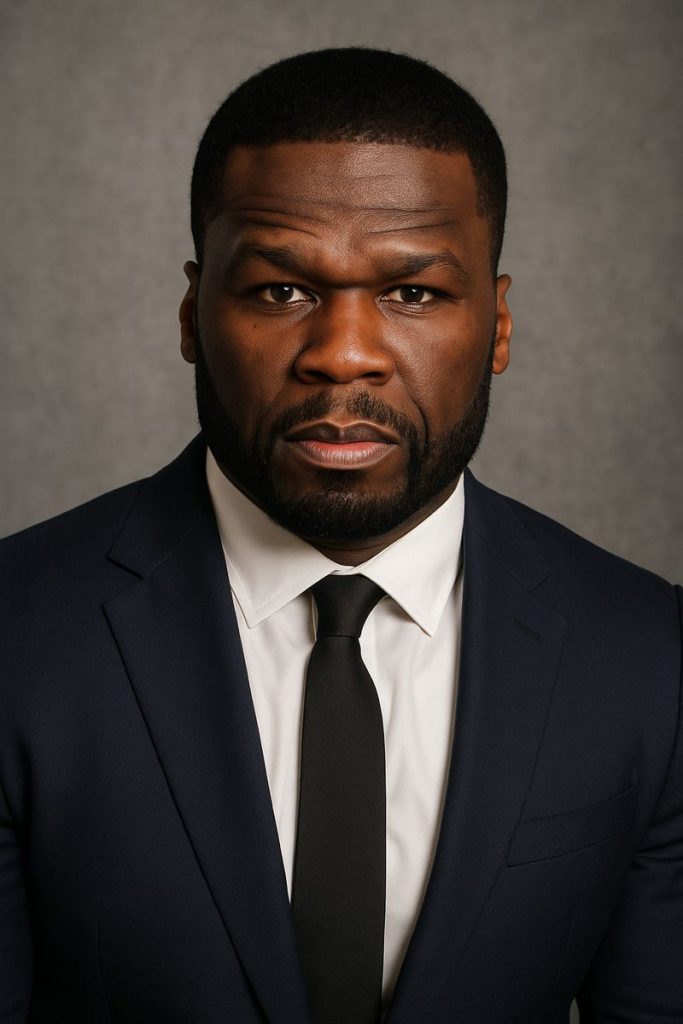
A Day in the Life of 50 Cent: Inside the Workout Routine of “50 Cent” Jackson

Curtis “50 Cent” Jackson isn’t just one of the biggest names in hip-hop, but a multifaceted entrepreneur, actor, producer, author, and fitness enthusiast whose daily routine mirrors the unrelenting discipline he preaches in his memoir.

From intense gym sessions to strategic nutrition and work blocks packed with business, creativity, and personal growth, 50 Cent’s lifestyle offers insight into how he maintains peak performance on and off stage.

Here’s a closer look at a typical day in the life of 50 Cent.

Morning: Waking Up

50 Cent doesn’t have a rigid wake-up time, it varies depending on commitments like early meetings, studio sessions, or travel schedules. On a busy day, he’ll be up as early as 6:00 AM, but on lighter days he might sleep until 8-9 AM.

What remains consistent is his focus on starting the day with intention rather than immediately reacting to external demands.

First Order of Business: Hit the Gym

The gym is the cornerstone of his morning routine. Whether he wakes up at 6:30 or closer to 10:00, he aims to be training soon after (sometimes arriving by 7:30–10:00 AM).

The goal is both physical and mental: working out before work helps his mind clear, focus sharpen, and energy rise for the day ahead.

Training: The Core of 50 Cent’s Discipline

50 Cent’s approach to fitness is intense and versatile. His personal trainer, Jay Cardiello, has helped him build a program that blends:

  • strength training
  • cardio boxing
  • functional work

To support stamina, strength, and stage performance.

Here’s a sample weekly split drawn from his training philosophy:

  • Monday: Core circuit with crunches, leg raises, Russian twists, planks.
  • Tuesday: Arms & chest strength training with presses, flyes, rows, dips.
  • Wednesday: Cardio focus – running, interval work, jump rope — for endurance.
  • Thursday: Lower body strength – squats, hack squats, lunges, calf raises.
  • Friday: Boxing & cardio – heavy bag, jump rope, rhythm-based drills.
  • Saturday: Full-body strength session.
  • Sunday: Active rest with light movement or a full day off recovery.

His workouts often run 1.5 to 3 hours, depending on goals – longer when prepping for film roles or tours and slightly shorter on maintenance days.

50 Cent’s Eating Schedule

50 Cent’s diet is strategic and protein-forward. While he’s spoken candidly about occasionally indulging (yes, even in cheese sandwiches!), his everyday eating emphasizes whole foods, lean proteins, veggies, and clean hydration.

Breakfast (Post-Gym or Late Morning):

  • Protein smoothie or shake
  • Egg whites (often with lean sides)

Lunch:

  • Chicken lettuce wraps
  • Tart cherry or cranberry juice
  • Salads or low-carb greens

Dinner:

  • Filet mignon, salmon, or other lean proteins
  • Steamed broccoli, spinach salads, nutrient-dense veggies

In-Between:

Occasional cheese sandwich and cranberry juice (his “classic” favorite).

Work & Productivity

After training and eating, 50 Cent‘s day shifts into work mode and it’s as varied as his career itself:

Studio & Creative Work

Writing lyrics, recording vocals, producing tracks, and prepping performance content takes a substantial portion of his day when he’s in music mode.

Business Blocks

As a producer (Power franchise), entrepreneur (multiple brands and ventures), and author, he often schedules blocks for:

  • Meetings with agents, partners, or teams
  • Creative strategy sessions
  • Reviewing content and business plans

Though not as publicly documented as his fitness regimen, his prioritization of business time echoes the same intentionality as his workouts – focus, efficiency, and execution.

Evening & Sleep

Sleep has changed meaning for 50 Cent over the years. Early in his career, he famously said “Sleep is for those people who are broke.”

However, as he’s matured, he’s publicly acknowledged that quality sleep is essential to recovery, performance, and wellbeing – especially as the body ages.

Typical Sleep Pattern

  • Weekdays: 6-8 hours, though historically he admitted to sleeping as little as 3-4 hours depending on workload.
  • Weekends/Rest Days: Can extend closer to 8-9 hours.

Getting adequate sleep helps him recover from intense gym sessions and long working hours, and maintain clarity the next day.

All in all, 50 Cent’s daily routine is systematic and disciplined.

From early gym sessions and careful nutrition to business strategy and rest, every piece of his day is curated to support peak performance.

Whether you’re chasing fitness goals, creative dreams, or entrepreneurial success, his lifestyle offers lessons in structure, dedication, and relentless execution.

Zendaya’s Daily Routine: Fitness, Skincare, Eating & Work (2026)

Zendaya Maree Stoermer Coleman (aka Zendaya) has evolved from a Disney Channel talent to one of Hollywood’s most compelling stars.

Between Spider-Man, Euphoria, fashion campaigns, and her own entrepreneurial ventures, she manages a wildly varied life with balance and grace.

So what routine does she follow to stay fit, healthy and productive?

Let’s dive deeper into her routine.

Morning: Slow Start & Intentional Wake-Up

According to lifestyle profiles, she typically wakes around 8:00 AM, though she admits she doesn’t mind lingering in bed a bit longer on slower days. The first minutes of her day often involve checking notifications and her calendar before fully getting up.

Rather than a highly structured ritual, Zendaya’s mornings emphasize ease and presence. She might start by greeting family members and then move into a gentle beauty prep – a shower followed by a streamlined skincare routine that sets the tone for the day.

Zendaya’s Skincare Routine

What stands out most about Zendaya’s skincare philosophy is simplicity over complexity. She believes a radiant complexion doesn’t require endless products; instead, it’s about consistent fundamentals tailored to her skin.

Morning Essentials

  • Cleanse gently to start with a fresh base.
  • Tone and hydrate, often with witch hazel or rose water.
  • Daily sunscreen – Zendaya considers SPF her non-negotiable step to protect skin and prevent aging.
  • Occasional facial mists for hydration throughout busy days.

Evening Reset

  • Thorough removal of makeup — Zendaya says she would never sleep in makeup.
  • A night toner or mist.
  • Moisturizer or facial oil (like vitamin E) to lock in hydration after a day under lights or makeup.
  • A few targeted treatments (Vitamin C, niacinamide, or retinol) added only when needed.

This “less is more” approach keeps her sensitive, acne-prone complexion calm and glowing without overwhelming it.

Workout & Fitness

Unlike traditional celebrity gym routines, Zendaya’s movement philosophy is all about joy and integration. She has openly stated she isn’t a fan of rigid gym sessions; she prefers activities that feel fun and natural.

Dance

Dance is her primary way of staying active. It feels like play, not a chore, and doubles as cardio and muscular engagement. This ranges from rehearsed choreography to spontaneous movement on set.

Home Workouts

When an extra boost is needed – especially prepping for roles – she’ll do short, no-equipment bodyweight workouts:

  • Jumping jacks
  • Air squats
  • Planks
  • Push-ups
  • High knees

Light Movement

Walks, stretching, yoga, and outdoor activities add flexibility and mindfulness to her daily routine.

Diet & Eating Routine

Zendaya has been vegetarian since childhood, a choice she’s described as ethical and reflective of her love for animals. Though she doesn’t always cook, she generally leans toward plant-based, nutrient-rich meals.

Typical Diet Traits

  • Vegetables, fruits, legumes, nuts:  fueling skin, hair, and overall health.
  • Flexibility and joy: she doesn’t chase overly restrictive diet trends. Occasional sweets and snacks are part of her life, and she’s transparent about that balance.
  • Hydration: Water is a constant, helping skin elasticity and circulation for a glowing complexion.

Some lifestyle features also note she sometimes forgets to eat regular meals due to her workload and will snack throughout busy days, often choosing comfort foods like soups, noodles, or breakfast foods at odd times.

Work & Productivity

Zendaya’s career life defies a single workspace. When not at the filming set or giving interviews, she designs for her own brand Daya.

She often structures her day around blocks of focused work, interspersed with moments to check in with family or respond to creative impulses. Rather than rigid time slots, Zendaya prioritizes getting things done where she is, rather than when the clock says it must be done.

Sleep & Recovery

Adequate sleep is a cornerstone of Zendaya’s routine — not just for physical recovery, but for skin health and mental clarity.

Many profiles highlight her belief that good rest is the most underrated beauty tool. Adequate sleep promotes repair, energy, and overall resilience, especially important in her high-demand world.

What’s important to mention is that what truly differentiates Zendaya’s approach isn’t perfection; it’s balance and realness. She emphasizes self-acceptance, listening to her body, and choosing activities that feel good, not forced.

This mindset carries through her fitness, eating, work, and beauty habits.

Rather than aspiring to an unattainable “celebrity routine,” Zendaya’s routine is about sustainable joy, self-care, and intentional living – all of which contribute to her magnetic presence both on-screen and off.

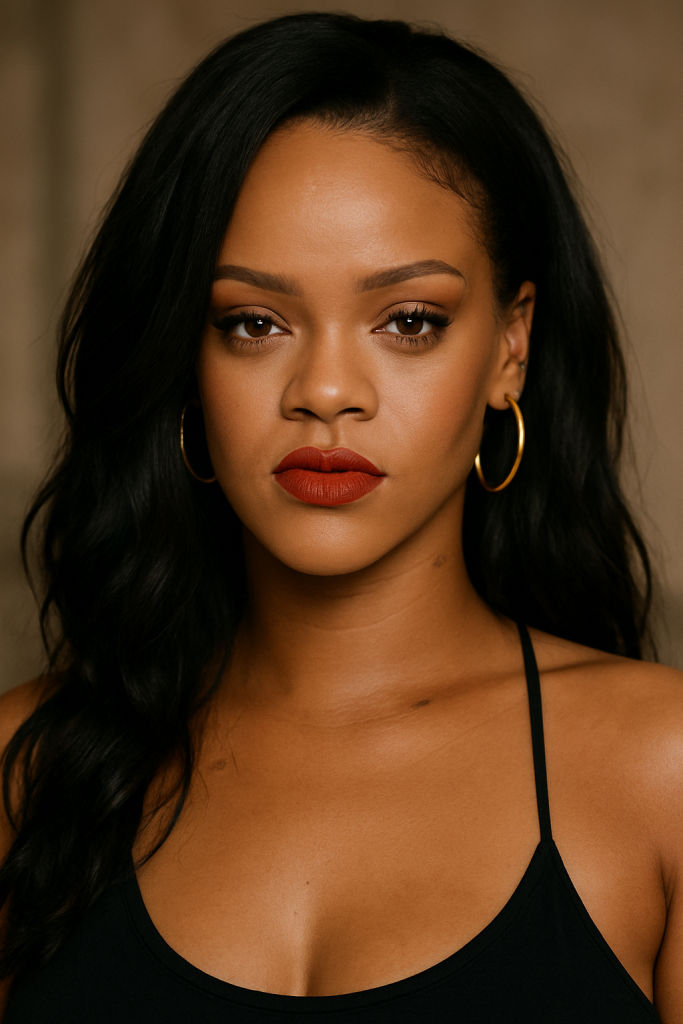
Rihanna’s Workout, Skincare & Sleep Routine (2026)

If you’ve ever watched Rihanna command a stage and still look impossibly fresh after, you already know she doesn’t rely on “good genes and vibes” alone.

Her life is split between music, her beauty companies, motherhood, and whatever major cultural moment she decides to casually own next.

So her routine isn’t a rigid, minute-by-minute schedule. It’s more like a set of non-negotiables that keep her feeling strong, glowy, and sane, even when her calendar is chaos.

Here’s what that looks like in real life.

Morning: wake up, hydrate, get moving (when she can)

Rihanna’s mornings depend heavily on what season of life she’s in – touring vs. studio vs. full-on mom mode. Multiple profiles describe her as someone who builds movement in around work rather than forcing a punishing early-morning grind.

When she’s preparing for performances (like her 2023 Super Bowl halftime show), she’s been open about the physical load and how much conditioning it takes to be stage-ready. The training focus is stamina, control, and full-body strength—not chasing a specific “look.”

What her training typically includes

Her longtime trainer Harley Pasternak has talked publicly about keeping Rihanna’s workouts short, consistent, travel-friendly, and high-output—especially when she’s on the road. The goal is to train most days, but without marathon sessions.

Across trainer notes and routine breakdowns, the Rihanna formula tends to look like:

  • Dance rehearsals as cardio. For a performer, choreography is sport-specific conditioning.
  • Strength circuits (lower body + core heavy): squats/lunges, step-ups, deadlift variations, glute and hamstring work.
  • Core training almost every session—planks, rotations, ab circuits—because it supports both posture and stage movement.
  • Boxing / martial-arts-style cardio mixed in for intensity and variety.
  • Walking and general daily movement as a baseline habit (a Pasternak staple).

Her motto is: train like an athlete when needed, keep it efficient the rest of the time.

Post-workout: shower & skincare reset

Rihanna is famously not a 12-step-routine person. In her Harper’s Bazaar “Go To Bed With Me” style routine, she shows a simple three-step system she uses both morning and night, designed for speed and consistency.

Her routine centers on Fenty Skin multitaskers (no surprise), and the order is classic dermatologist logic:

  1. Cleanse thoroughly: She uses Total Cleans’r, a makeup-removing cleanser that she likes because it gets everything off fast without leaving her skin tight or dry.
  2. Tone/serum hybrid: The Fat Water toner-serum step is for balancing and treating in one go, she’s a fan of products that do double duty.
  3. Moisturize + SPF: Her daytime moisturizer is the Hydra Vizor Invisible Moisturizer SPF 30, she’s said SPF is non-negotiable and wanted one that works across skin tones without white cast.

Her philosophy is basically: clean, treat, protect. If a routine can’t survive real life (late nights, flights, motherhood, glam), she won’t do it.

Midday: work blocks, steady fuel, no “weird rules”

Rihanna doesn’t publicly follow a strict diet plan, and she’s never sold the idea of food guilt. Most coverage of her nutrition points to a balance approach: protein + plants + carbs for energy, with plenty of room for cravings and Barbadian comfort foods.

When she’s training harder, the emphasis shifts to fueling performance, not shrinking herself. Think:

  • Protein-anchored meals (eggs, chicken, fish, Greek-yogurt-style snacks).
  • Fruit + veg daily, especially when travel throws everything off.
  • Hydration as a constant—she’s said she can feel it immediately in her energy and skin when she slacks.

It’s very “celebrity who actually lives” energy: eat to feel good, not to obey a spreadsheet.

If Rihanna’s performing or shooting, evenings are a ramp-up: fittings, makeup, rehearsals, meetings. But when she’s home, she’s described “me time” as short, precious, and calming—especially as a mom of two.

Sleep & recovery: the quiet part of the glow

Late nights, studio hours, and travel are part of the job. But routine profiles note she aims for solid 7–8 hour blocks when life allows, and treats rest as part of staying sharp and healthy.

What do you think about Rihanna’s daily routine?